



Specific antibodies for any area of expertise. The coal company’s initial attempts were disastrous
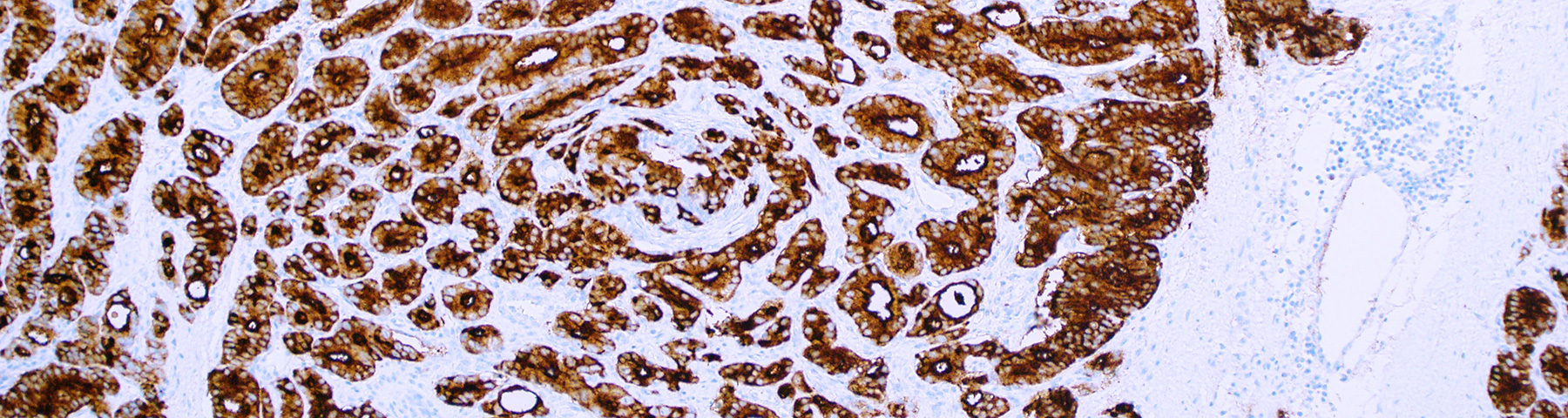
Troubleshooting tips that will assist you with successful IHC staining.
The coal company’s initial attempts were disastrous. Pumps failed. Boreholes missed their marks. Three days passed, then four. The trapped miners, huddled in a dark, shrinking cavity, began to lose hope. They wrote letters to their families on scraps of tobacco wrappers. One man, an old khalasi named Bhola, started reciting the Hanuman Chalisa in a whisper, his voice a fragile thread of sanity.
After an eternity, a soft thump . He was at the bottom. With a hammer, he chipped away the last crust of shale. A rush of stale, warm air hit his face. And then, light—flickering helmet lamps in the dark. Thirty-six faces, bearded, hollow-eyed, weeping.
The air in the Mahabir Colliery had a taste—iron, damp earth, and the ghosts of ancient forests. For the men who worked the Raniganj coalfields in West Bengal, that taste was as familiar as the salt on their wives’ cooking. But on a raw November morning in 1989, the taste changed. It became sharp, metallic, and wrong.
The capsule was barely wider than his shoulders. The descent was a slow, grinding nightmare. Darkness. The screech of steel on rock. The hiss of compressed air. Water dripped onto his face from the borehole walls. He closed his eyes and counted his breaths.
Now came the choice.