Windows 11 Bootlegs - ~upd~
Abstract The release of Windows 11 in 2021, with its stringent TPM 2.0 and Secure Boot requirements, alienated millions of PC users. In response, a niche underground community began producing "Windows 11 Bootlegs"—heavily modified, unofficial ISO distributions. This paper examines the bootleg ecosystem as a socio-technical phenomenon, exploring its origins in the Windows XP/Vista era, its current manifestations, the aesthetic and functional modifications applied, and the severe security implications. We argue that bootleg OSes function as both a form of digital resistance against planned obsolescence and a dangerous vector for malware propagation. 1. Introduction A "bootleg" operating system is not merely a pirated copy of Windows; it is a customized, repackaged, and often pre-activated derivative. Unlike standard pirated ISOs (which simply bypass activation), bootlegs intentionally alter the OS's visual identity, remove core components (e.g., Windows Defender, Edge, Update services), and integrate third-party software, themes, and registry tweaks.
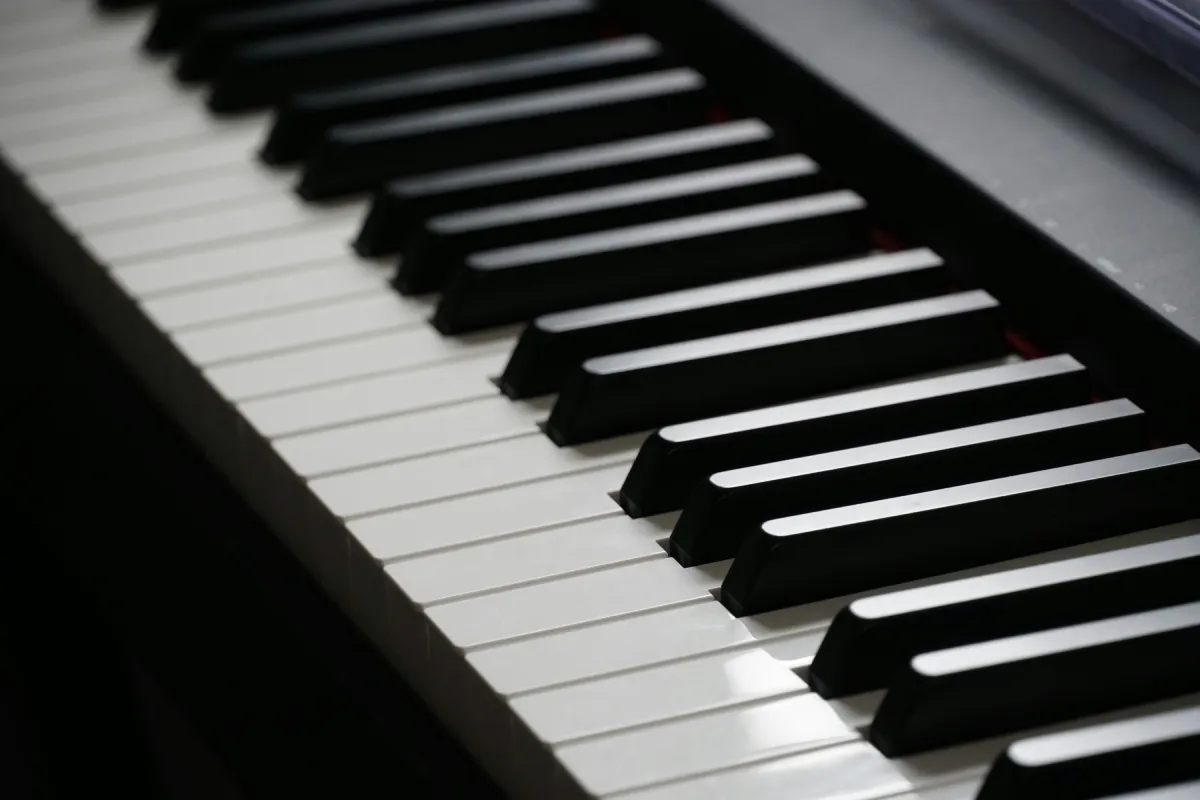 Piano
Piano
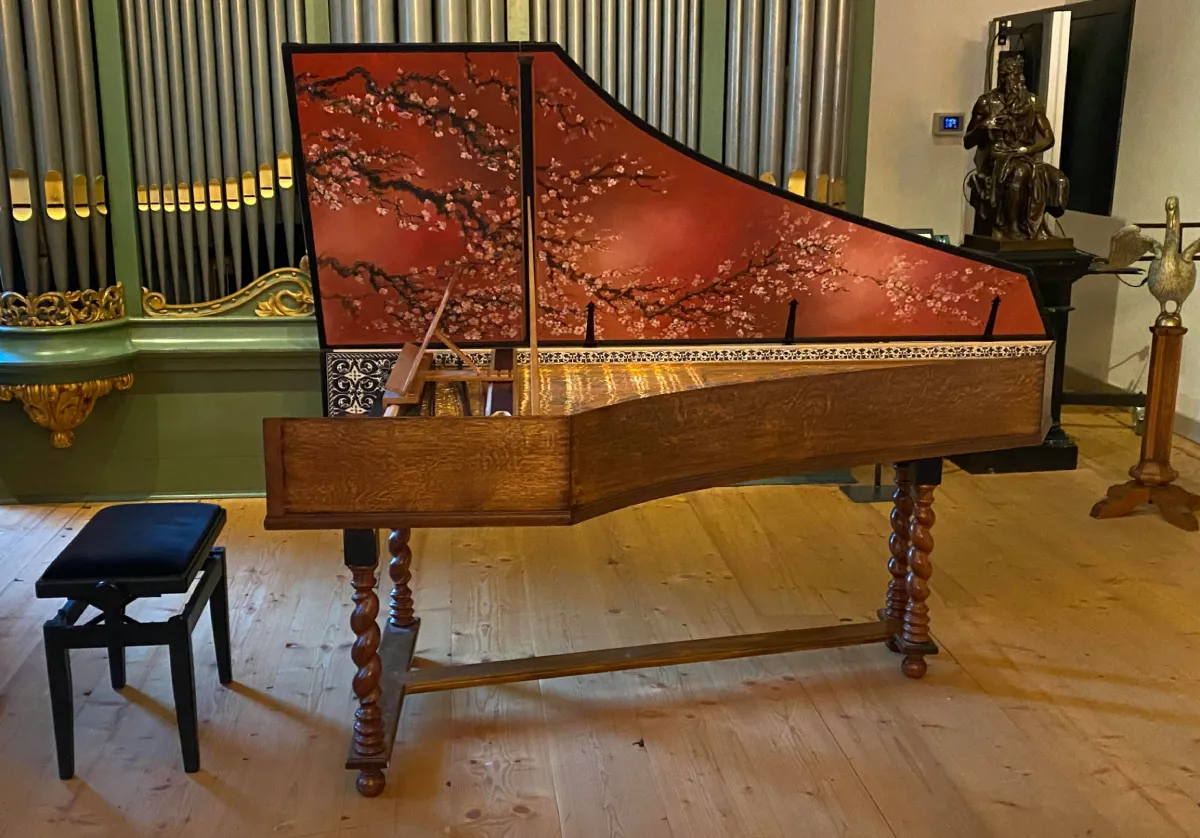 Harpsichord
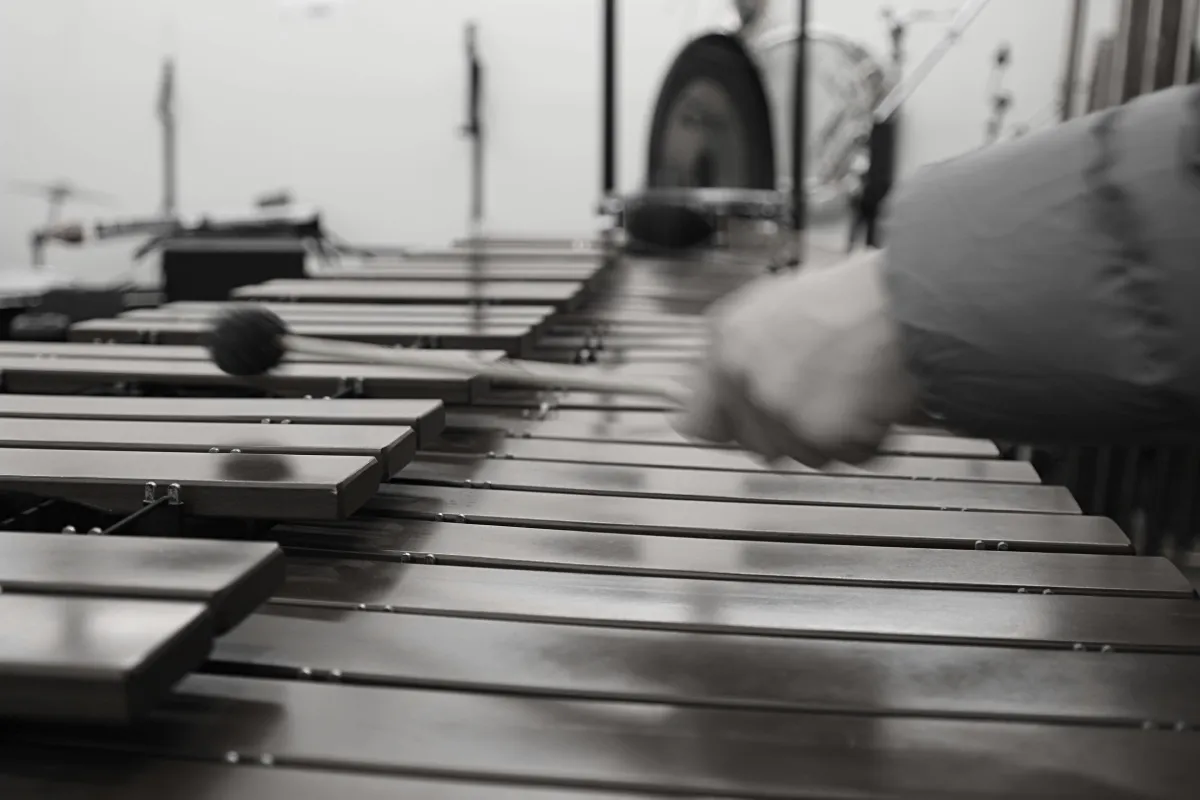 Marimba
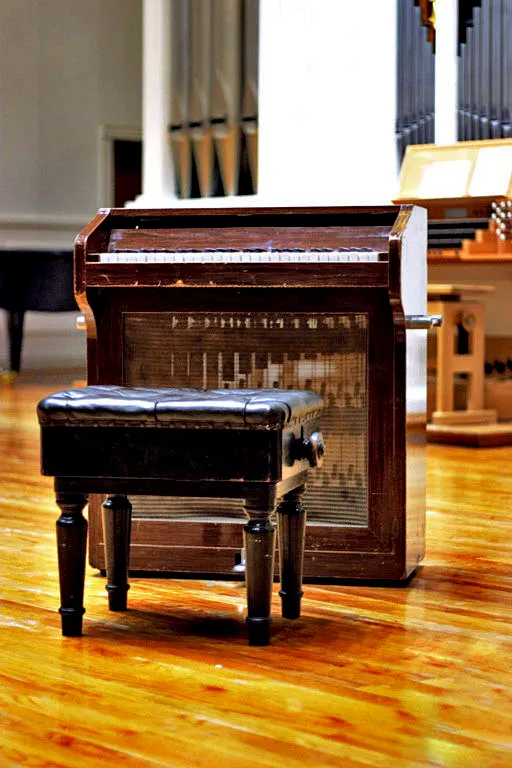 Celesta
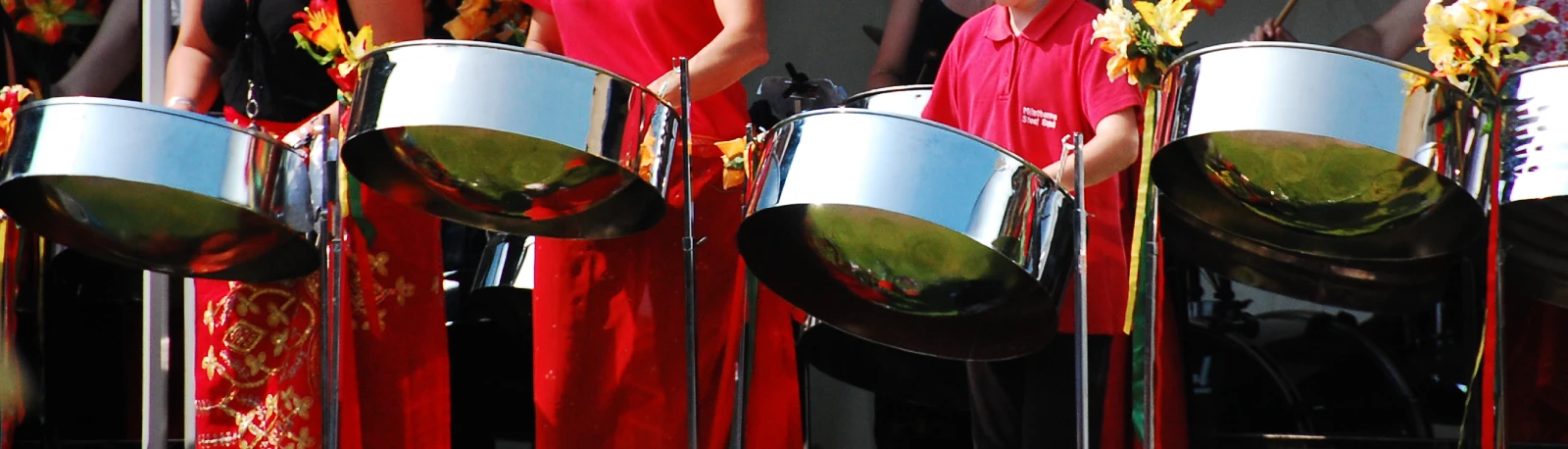 Steelpan (aka Steel Drum)
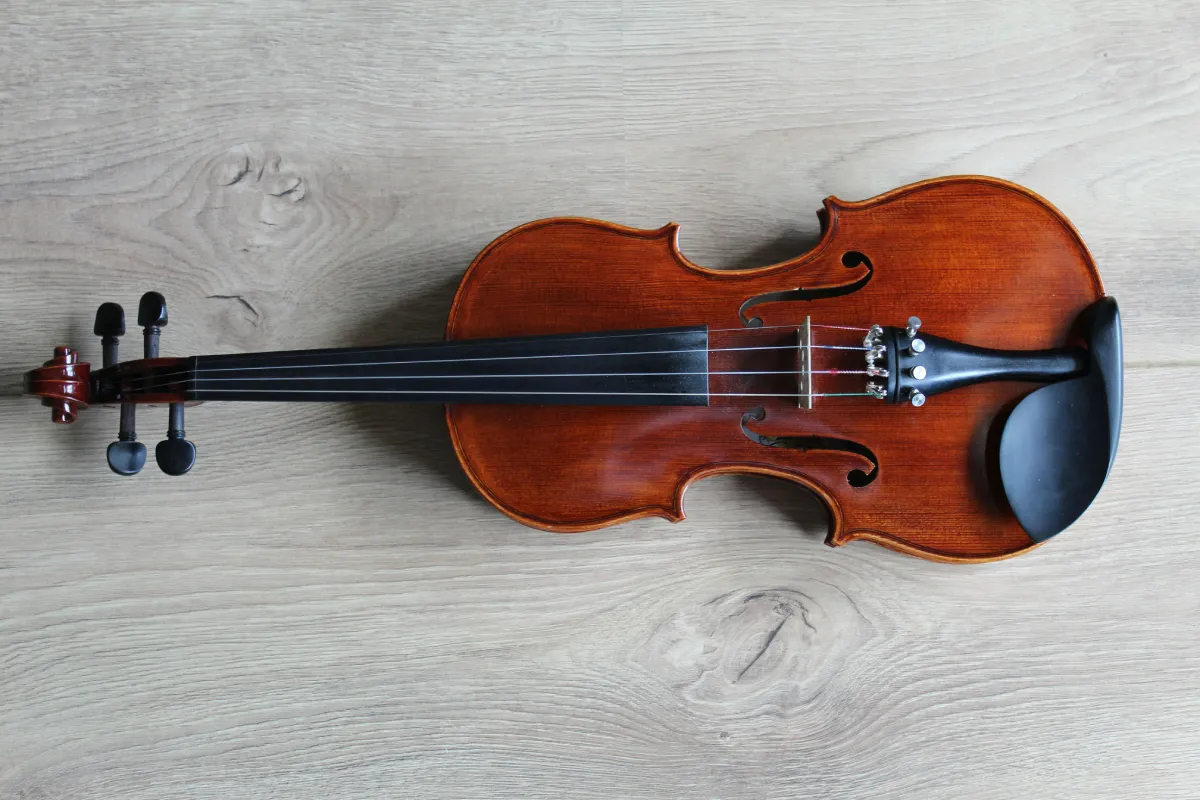 Pizzicato Violin
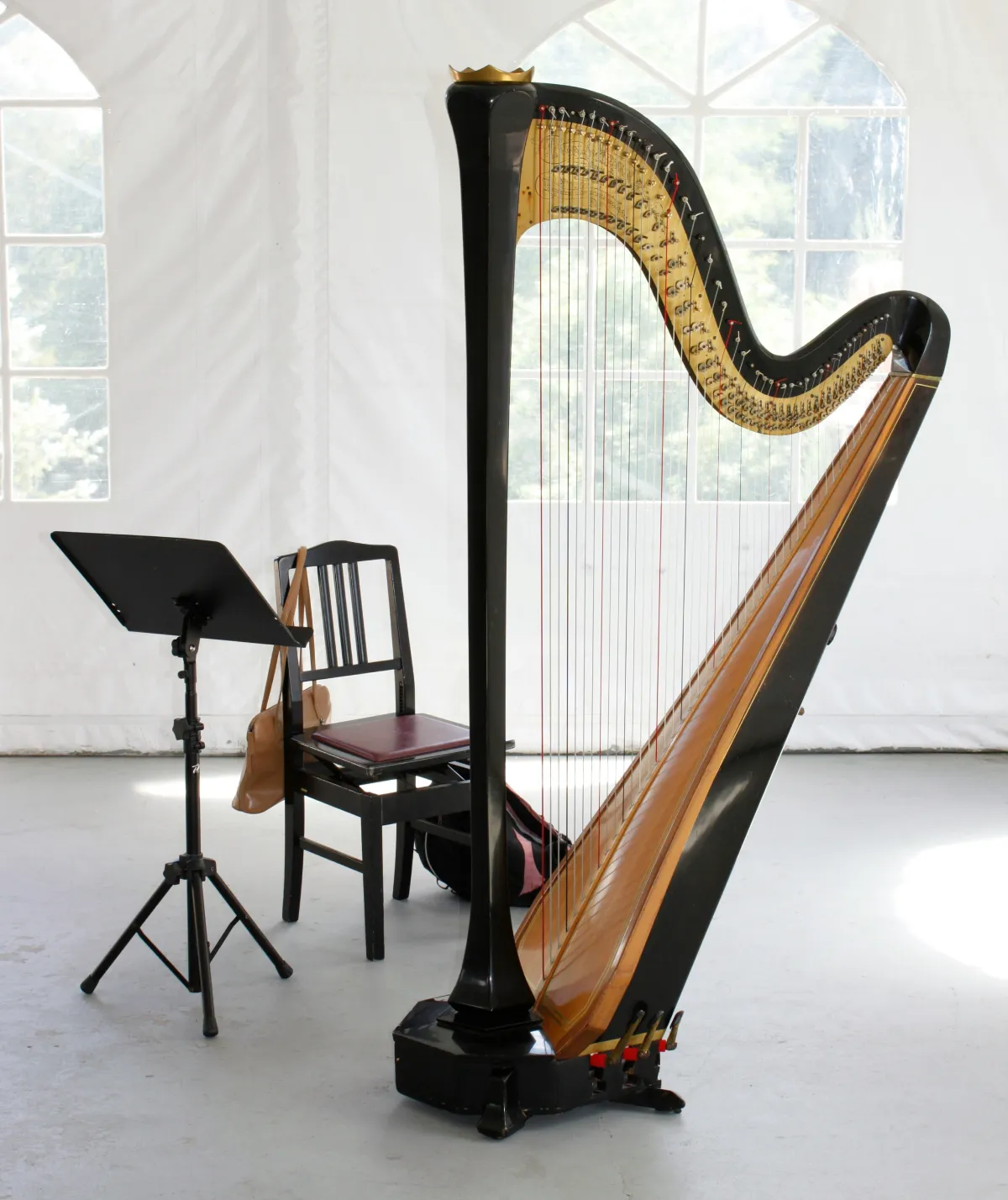 Harp
Harp
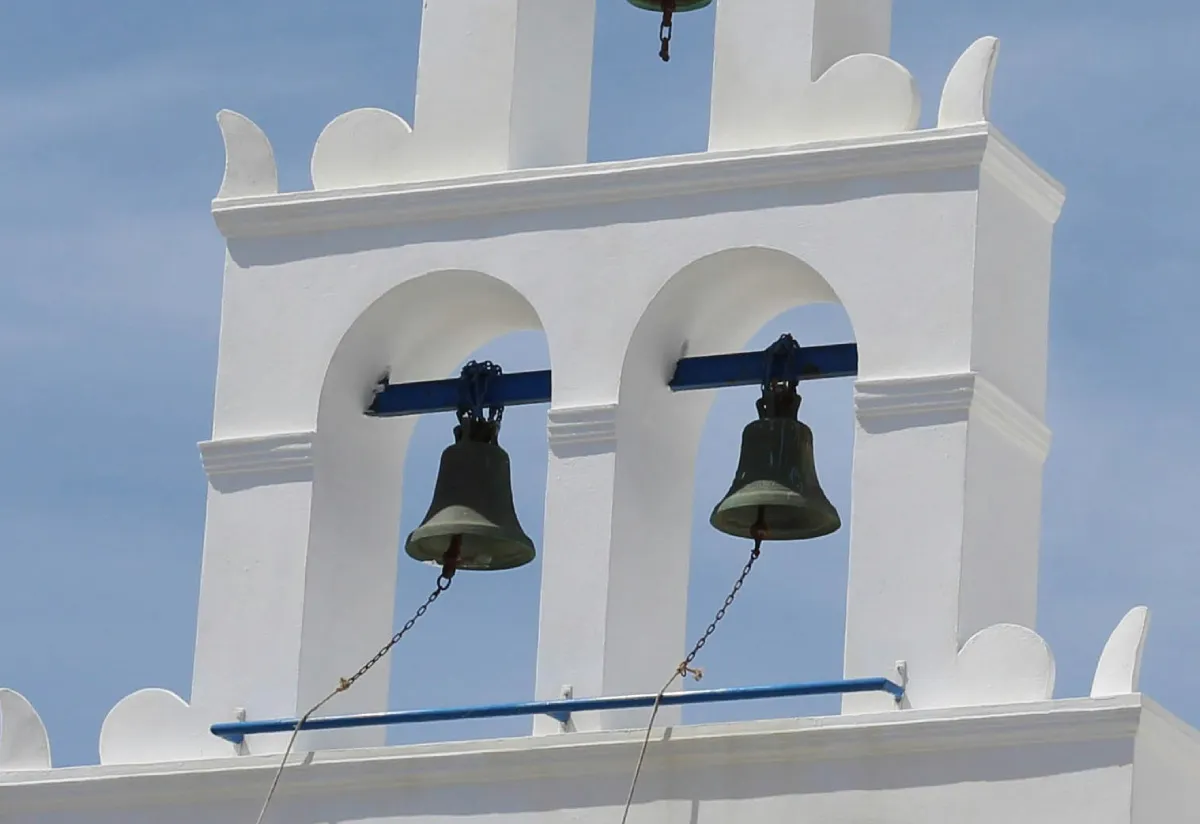 Church Bells
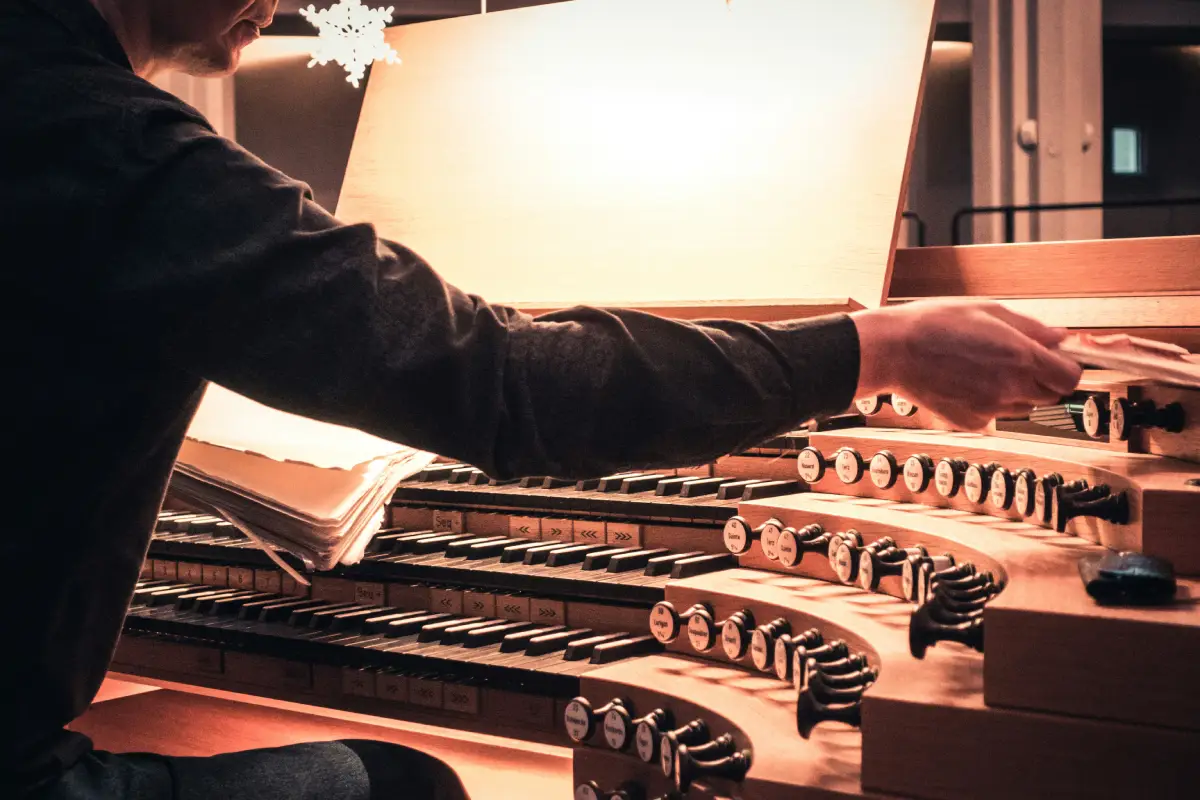 Organ
Organ
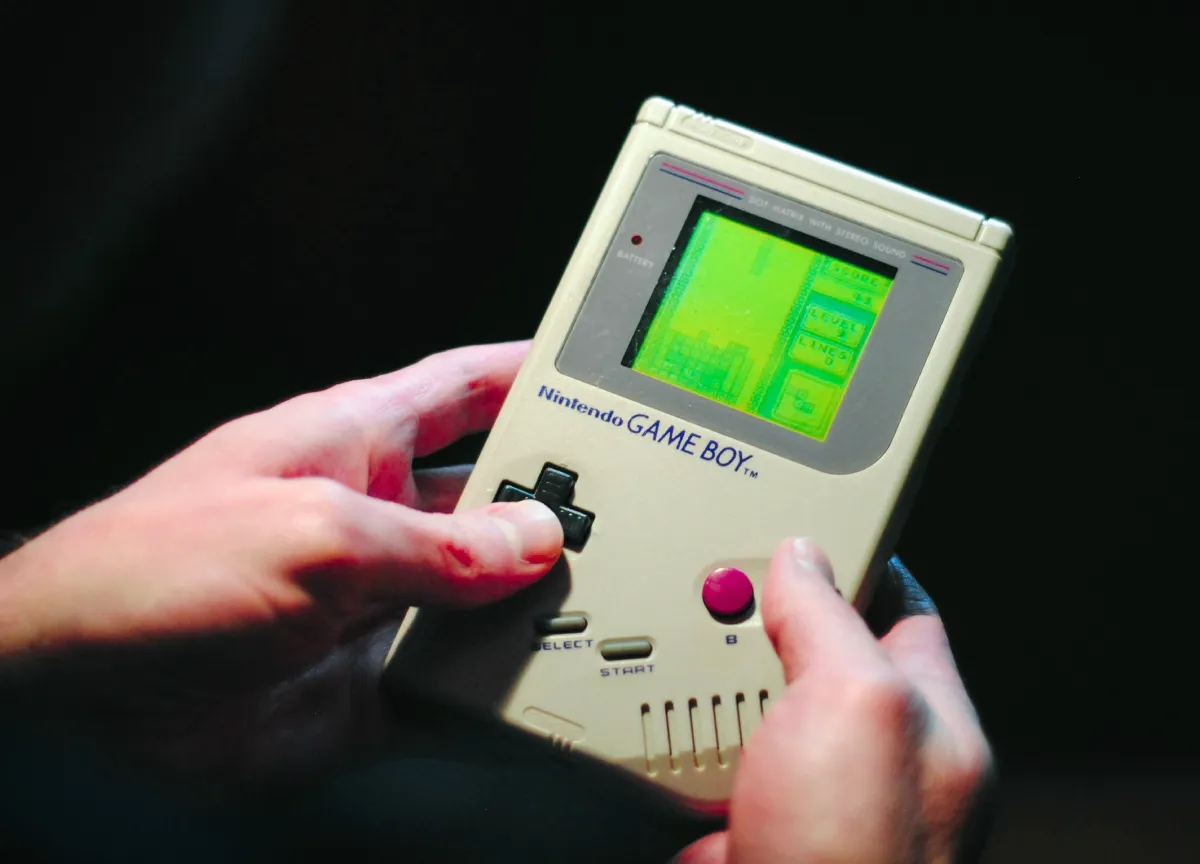 Simple Square Synth
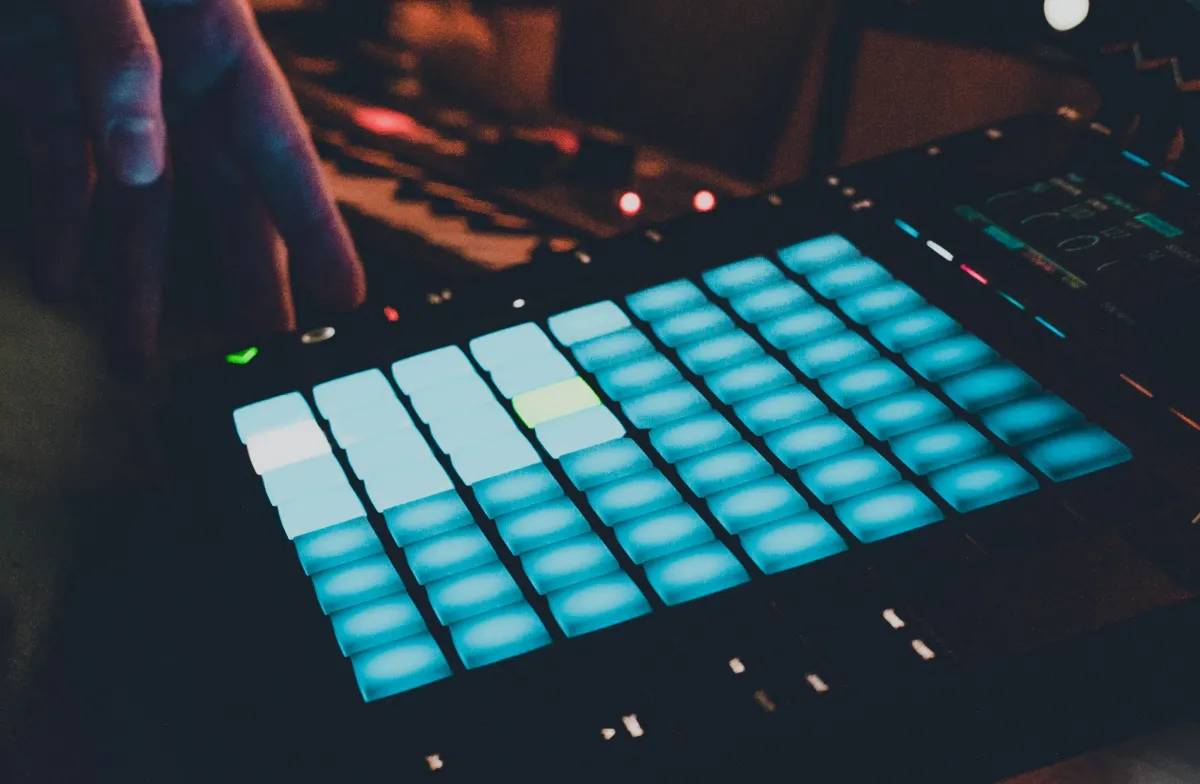 Noise Filter Synth
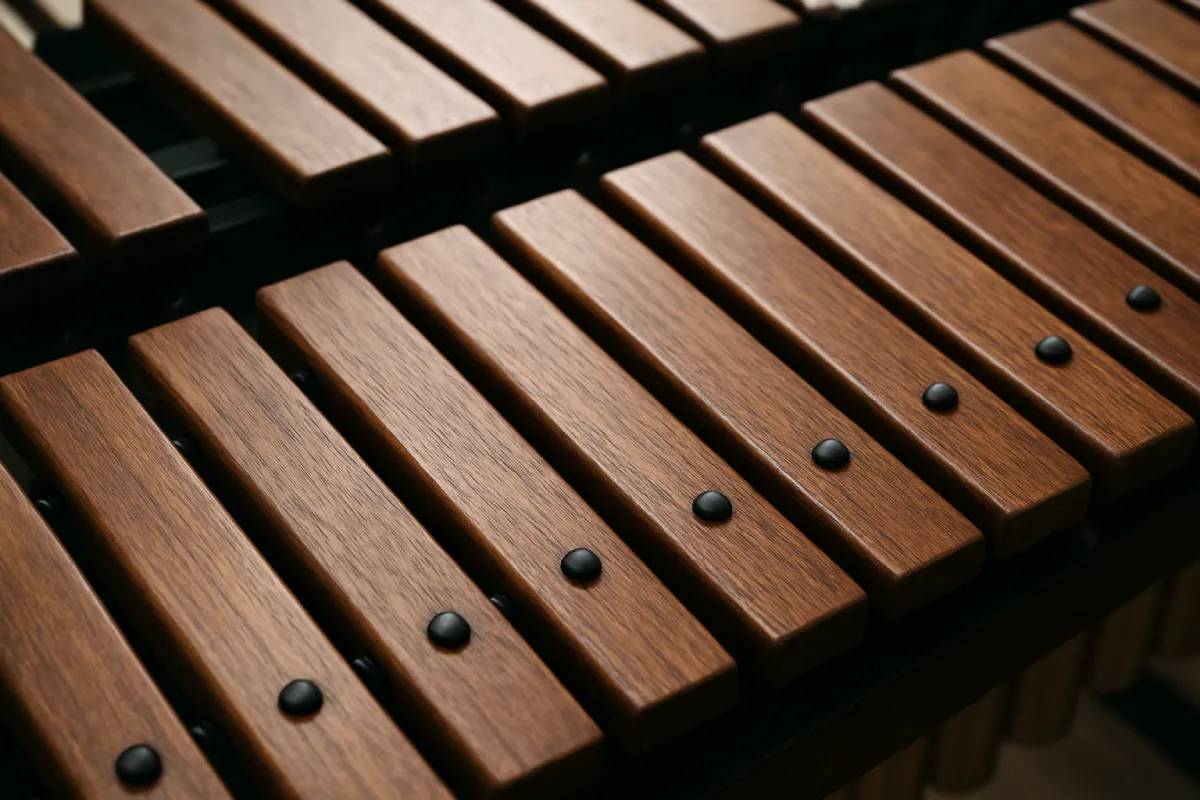 Xylophone
 Banjo
Banjo
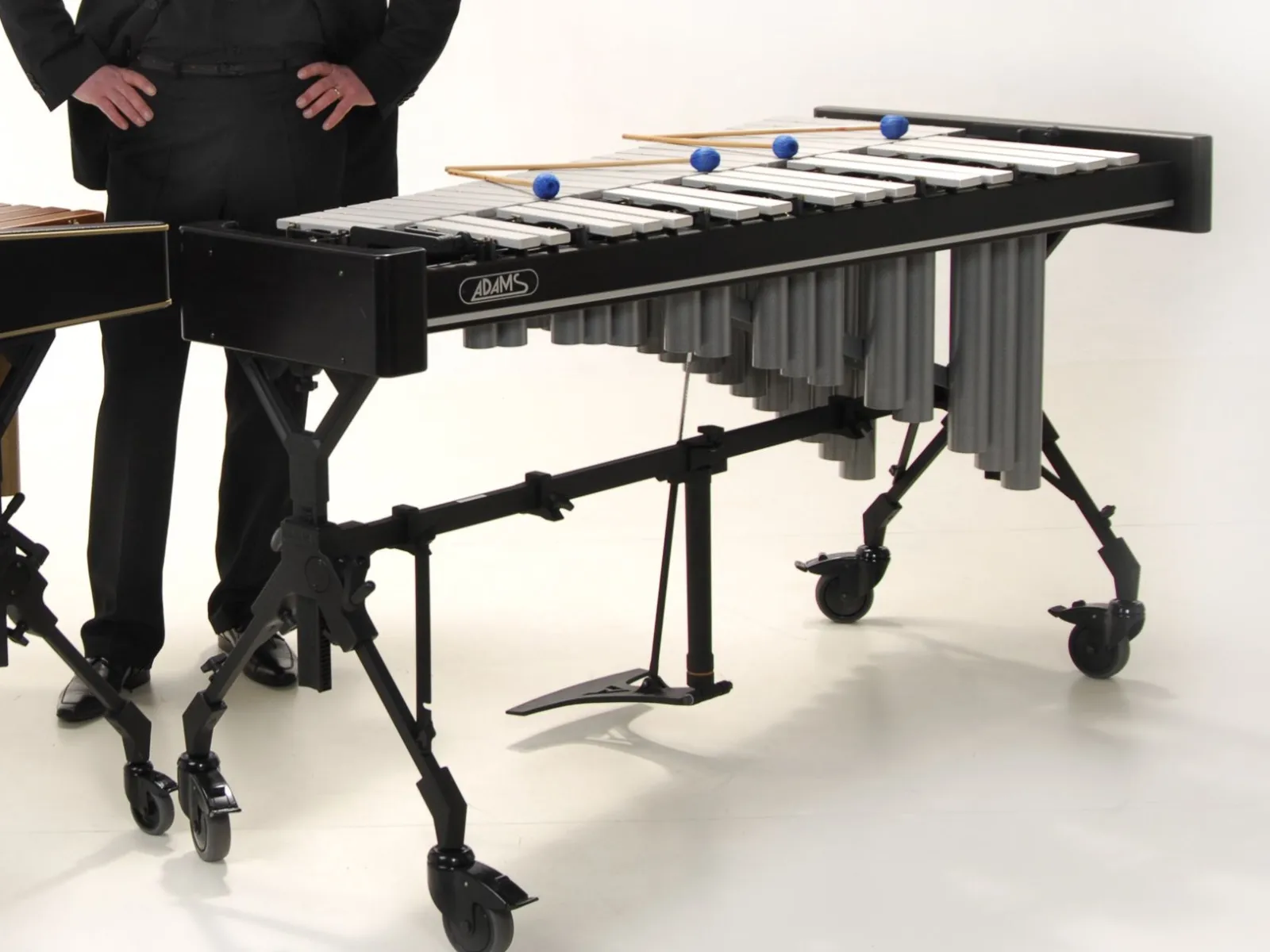 Vibraphone
 432 Hz Piano
 528 Hz Piano
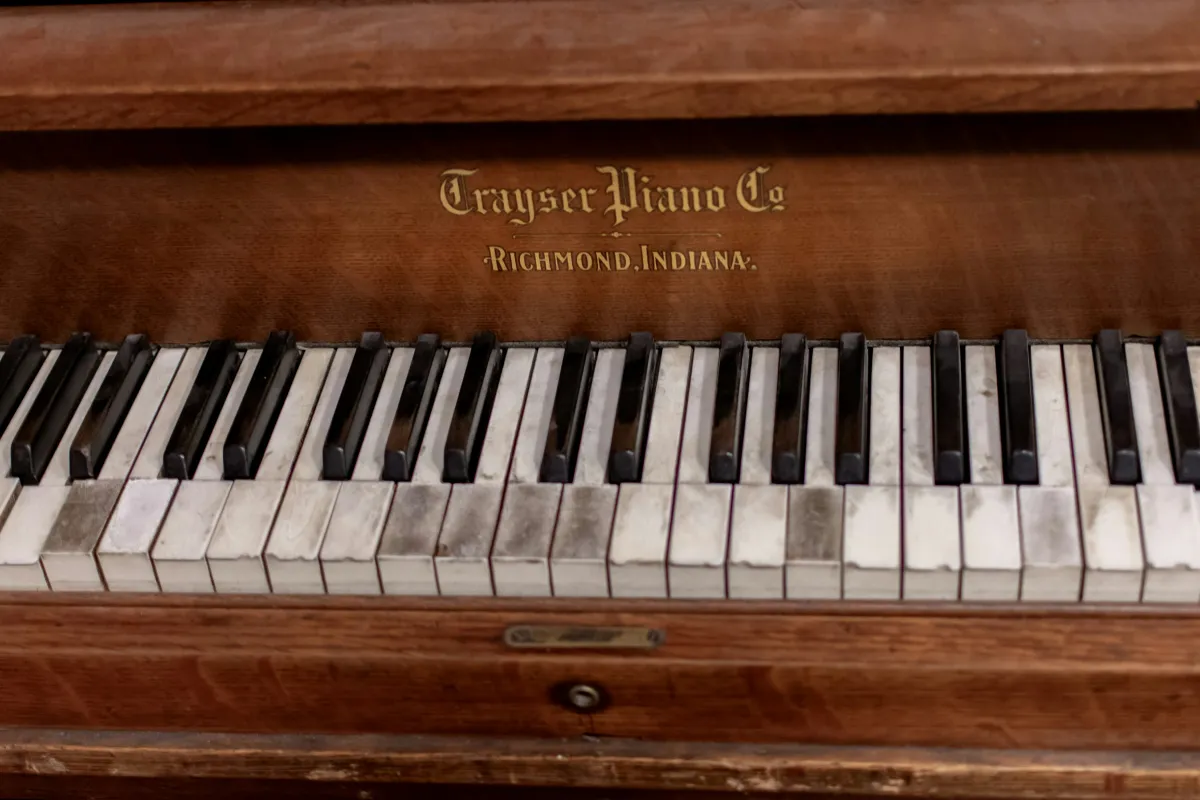 Honky Tonk Piano
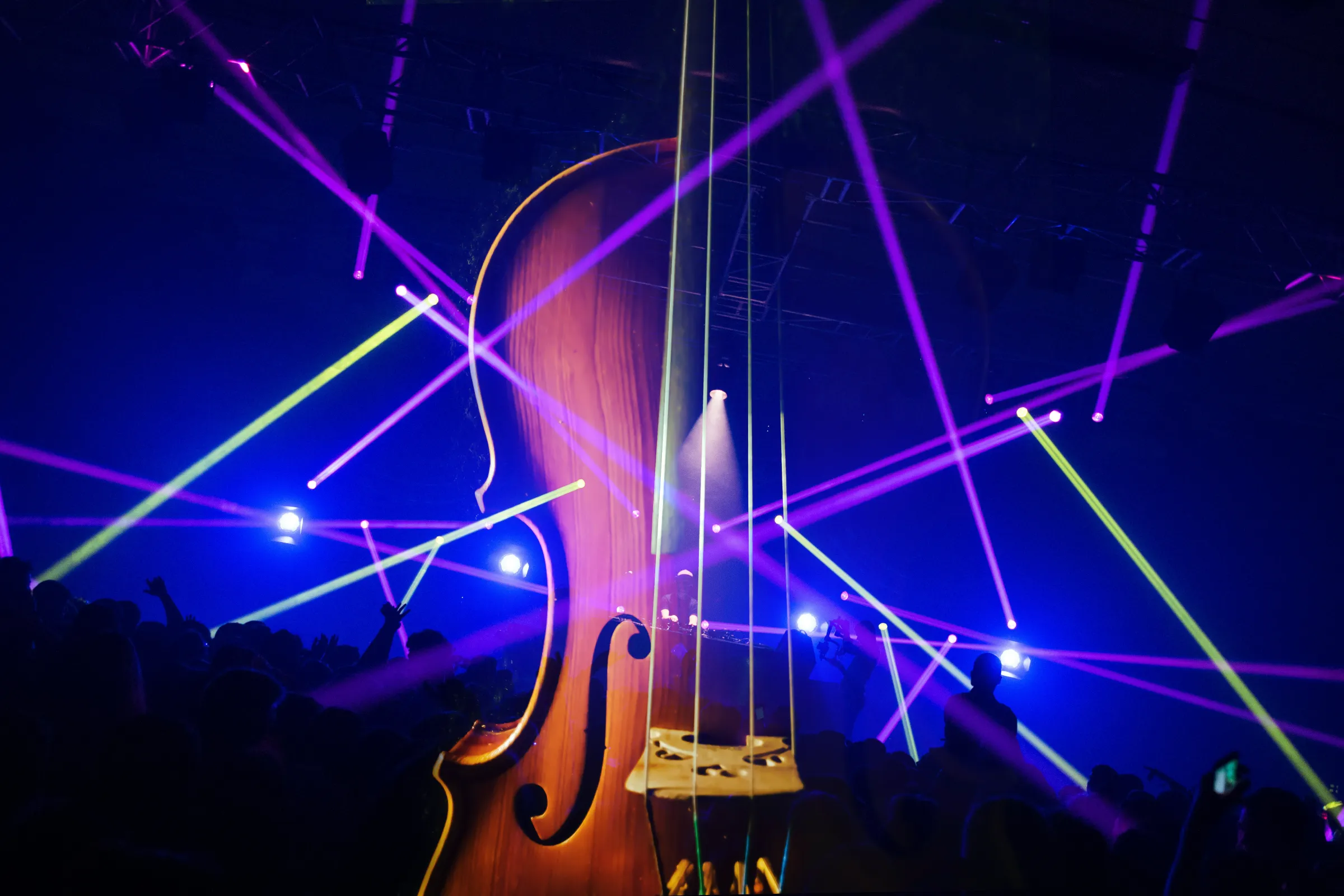 Trance Strings
 Ukulele