


Buy now

The Pitt S01e02 1080p Info

The Unblinking Eye: Temporal Pressure and Visual Intimacy in The Pitt S01E02

Furthermore, Episode 2 deepens the show’s critique of systemic failure. A patient with opioid use disorder arrives in withdrawal, and the staff’s frustration is palpable. But the camera, in its unflinching 1080p gaze, refuses to judge the patient’s track marks or the doctor’s exhausted sigh. Instead, it focuses on the administrative paperwork—the prior authorization forms, the insurance denial printouts—that litter the desk. In one striking shot, a form labeled “Non-Covered Substance Abuse Treatment” is partially obscured by a blood pressure cuff. The allegory is subtle but sharp: the system bleeds alongside the patient. The visual clarity allows us to read the fine print, to see the bureaucratic obstacles as clearly as the medical ones.

Yet, the episode is not without its flaws in pacing. The real-time format, while immersive, occasionally creates lulls that feel less like contemplation and more like waiting. A scene involving a lost lab result drags just long enough to remind us we are watching a simulation of boredom, not experiencing it. Additionally, a subplot involving a medical student’s romantic distraction feels tonally jarring against the life-or-death stakes. In 1080p, the student’s pristine white coat and glossy hair look almost costume-like compared to the grimy realism of the trauma bay. It is a reminder that The Pitt , for all its verisimilitude, is still constructing a heightened version of reality.

In the landscape of modern medical dramas, where defibrillator paddles often revive flagging subplots and hospital hallways become catwalks for melodrama, The Pitt arrives as a corrective. Season 1, Episode 2, viewed in crisp 1080p, does not merely advance a story; it suffocates the viewer in the relentless, granular reality of an urban trauma unit. The high-definition clarity of the 1080p format is not a luxury here—it is a narrative weapon. Every flicker of panic in a nurse’s eye, every bead of sweat on Dr. Robby’s forehead, and every crimson splash on a gurney is rendered with documentary precision. This episode argues that in the chaos of the ER, time is not a healer but an executioner, and the only way to survive is to move faster than the second hand.

The Pitt Season 1, Episode 2, when viewed in 1080p, is an endurance test disguised as entertainment. It leverages high-definition clarity to erase the distance between the viewer and the gurney, turning the television screen into a two-way mirror into a Level 1 trauma center. The episode succeeds not because of witty banter or shocking plot twists, but because it understands a fundamental truth of emergency medicine: there are no clean endings. There are only transfers, admissions, and the quiet, shaking hands of the living. By the final shot—a long, silent take of Dr. Robby staring at the empty trauma bay as the clock resets—the 1080p resolution reveals the ultimate horror: not the blood or the screaming, but the exhaustion in a face that knows tomorrow will be exactly the same. For viewers seeking comfort, look away. For those seeking truth, The Pitt offers no exit.

Character development in this episode is achieved not through monologue but through action under duress. Dr. Robby (Noah Wyle) operates less like a traditional TV hero and more like a battle-scarred air traffic controller. When a young resident freezes during a chest tube insertion, the camera holds on the resident’s shaking hand in sharp 1080p focus. We see the micro-tremors, the gloss of sweat on his upper lip. Robby’s subsequent intervention—calm, hands-on, almost paternal—is not a lecture but a physical redirection. The episode’s thesis emerges here: competence is not a personality trait but a performance under fire. The high-definition visual field ensures we cannot look away from the cost of that performance. Later, a quiet moment in the break room reveals a senior nurse silently massaging her varicose veins. There is no dialogue. The 1080p clarity makes the purple bruising and swelling unmistakable. This is the hidden currency of the ER: physical decay traded for patient survival.


Features

Move People and Connect the City

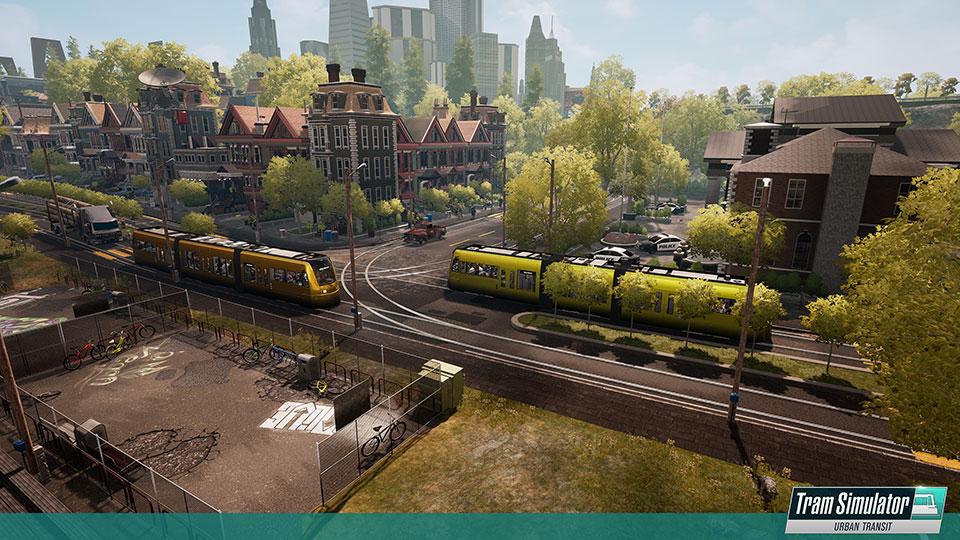
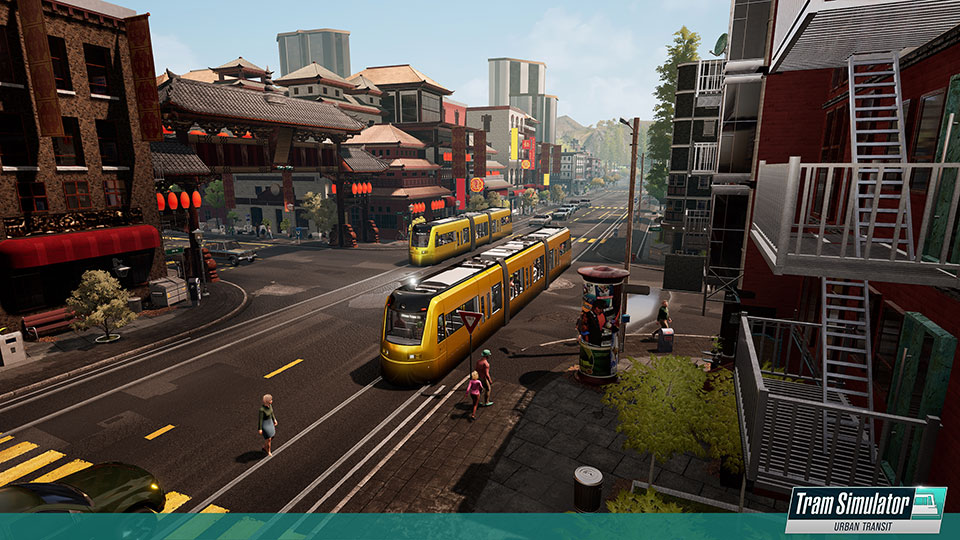
Transport passengers through Angel Shores and drop them off at different stations. Follow traffic rules and steer your tram through the lively city.

Move people and connect the city

Unique Tram Controls

Each tram possesses a distinct driving feel, making every ride an unique experience. Learn the ropes in the "Driving School" tutorial.

Unique tram controls

Manage your Company

Create timetables, take care of new stops and the rail network. Upgrade and expand your fleet.

Manage your company

Different Game Modes

Story, career and sandbox with multiplayer option for all three modes.

Different game modes

Cross-Platform Multiplayer

Connect with friends via PC cross-play (Steam & Epic Games Store) and console cross-gen support (PS5™ with PS4™ / Xbox Series X|S and Xbox One).

Cross-Platform multiplayer

Trailer

The Pitt S01e02 1080p Info

The Unblinking Eye: Temporal Pressure and Visual Intimacy in The Pitt S01E02

Furthermore, Episode 2 deepens the show’s critique of systemic failure. A patient with opioid use disorder arrives in withdrawal, and the staff’s frustration is palpable. But the camera, in its unflinching 1080p gaze, refuses to judge the patient’s track marks or the doctor’s exhausted sigh. Instead, it focuses on the administrative paperwork—the prior authorization forms, the insurance denial printouts—that litter the desk. In one striking shot, a form labeled “Non-Covered Substance Abuse Treatment” is partially obscured by a blood pressure cuff. The allegory is subtle but sharp: the system bleeds alongside the patient. The visual clarity allows us to read the fine print, to see the bureaucratic obstacles as clearly as the medical ones. the pitt s01e02 1080p

Yet, the episode is not without its flaws in pacing. The real-time format, while immersive, occasionally creates lulls that feel less like contemplation and more like waiting. A scene involving a lost lab result drags just long enough to remind us we are watching a simulation of boredom, not experiencing it. Additionally, a subplot involving a medical student’s romantic distraction feels tonally jarring against the life-or-death stakes. In 1080p, the student’s pristine white coat and glossy hair look almost costume-like compared to the grimy realism of the trauma bay. It is a reminder that The Pitt , for all its verisimilitude, is still constructing a heightened version of reality. The Unblinking Eye: Temporal Pressure and Visual Intimacy

In the landscape of modern medical dramas, where defibrillator paddles often revive flagging subplots and hospital hallways become catwalks for melodrama, The Pitt arrives as a corrective. Season 1, Episode 2, viewed in crisp 1080p, does not merely advance a story; it suffocates the viewer in the relentless, granular reality of an urban trauma unit. The high-definition clarity of the 1080p format is not a luxury here—it is a narrative weapon. Every flicker of panic in a nurse’s eye, every bead of sweat on Dr. Robby’s forehead, and every crimson splash on a gurney is rendered with documentary precision. This episode argues that in the chaos of the ER, time is not a healer but an executioner, and the only way to survive is to move faster than the second hand. The visual clarity allows us to read the

The Pitt Season 1, Episode 2, when viewed in 1080p, is an endurance test disguised as entertainment. It leverages high-definition clarity to erase the distance between the viewer and the gurney, turning the television screen into a two-way mirror into a Level 1 trauma center. The episode succeeds not because of witty banter or shocking plot twists, but because it understands a fundamental truth of emergency medicine: there are no clean endings. There are only transfers, admissions, and the quiet, shaking hands of the living. By the final shot—a long, silent take of Dr. Robby staring at the empty trauma bay as the clock resets—the 1080p resolution reveals the ultimate horror: not the blood or the screaming, but the exhaustion in a face that knows tomorrow will be exactly the same. For viewers seeking comfort, look away. For those seeking truth, The Pitt offers no exit.

Character development in this episode is achieved not through monologue but through action under duress. Dr. Robby (Noah Wyle) operates less like a traditional TV hero and more like a battle-scarred air traffic controller. When a young resident freezes during a chest tube insertion, the camera holds on the resident’s shaking hand in sharp 1080p focus. We see the micro-tremors, the gloss of sweat on his upper lip. Robby’s subsequent intervention—calm, hands-on, almost paternal—is not a lecture but a physical redirection. The episode’s thesis emerges here: competence is not a personality trait but a performance under fire. The high-definition visual field ensures we cannot look away from the cost of that performance. Later, a quiet moment in the break room reveals a senior nurse silently massaging her varicose veins. There is no dialogue. The 1080p clarity makes the purple bruising and swelling unmistakable. This is the hidden currency of the ER: physical decay traded for patient survival.

Buy Now


Pre-Order Tram Simulator Urban Transit on Steam now Wishlist Tram Simulator Urban Transit on PlayStation Store Wishlist Tram Simulator Urban Transit on Microsoft Store Wishlist Tram Simulator Urban Transit on Epic Games Store

Newsletter

Subscribe to our newsletter to get the latest news of Tram Simulator Urban Transit right in your inbox. Please note that you have to confirm your subscription before receiving our newsletter.

I want to unsubscribe my email address...