Contractors often install T-111 with staples or smooth shank nails. As the panel cycles through wet/dry seasons, it shrinks and expands — working fasteners loose. The panel buckles, gaps form at seams, and water waltzes right in.
Factory-primed T-111 often fails within 3–5 years. Peeling starts at groove edges, then spreads. Why? The grooves hold moisture longer, and the thin face veneer expands/contracts at a different rate than the backing. Once water gets under the coating, the sun bakes it into vapor that blows the paint off.
Because T-111 is structural (often used without sheathing), rot can spread into wall studs, insulation, and framing before you see a single brown spot on the exterior. A seemingly solid panel may be held in place only by paint film.
The grooves aren’t just cosmetic — they create vertical channels that suck water upward by capillary action. Once the bottom edge touches damp ground or a splash zone, moisture wicks into the untreated plywood core. Result: swelling, delamination, and a perfect mold buffet.
Here’s an interesting, practical take on — written as a cautionary field guide for homeowners and builders. The Hidden Weakness of T-111: A Cautionary Tale T-111 (plywood siding with grooves every 4 or 8 inches) looks rustic, installs fast, and costs less than fiber cement or cedar. But its problems tell a story of water, neglect, and design blind spots.
Every cut edge — around windows, at corners, along the bottom — exposes raw, unsealed end-grain. It’s like sticking a bundle of straws into the rain. In humid climates, T-111 can rot from the inside out while the face still looks fine.
Ares
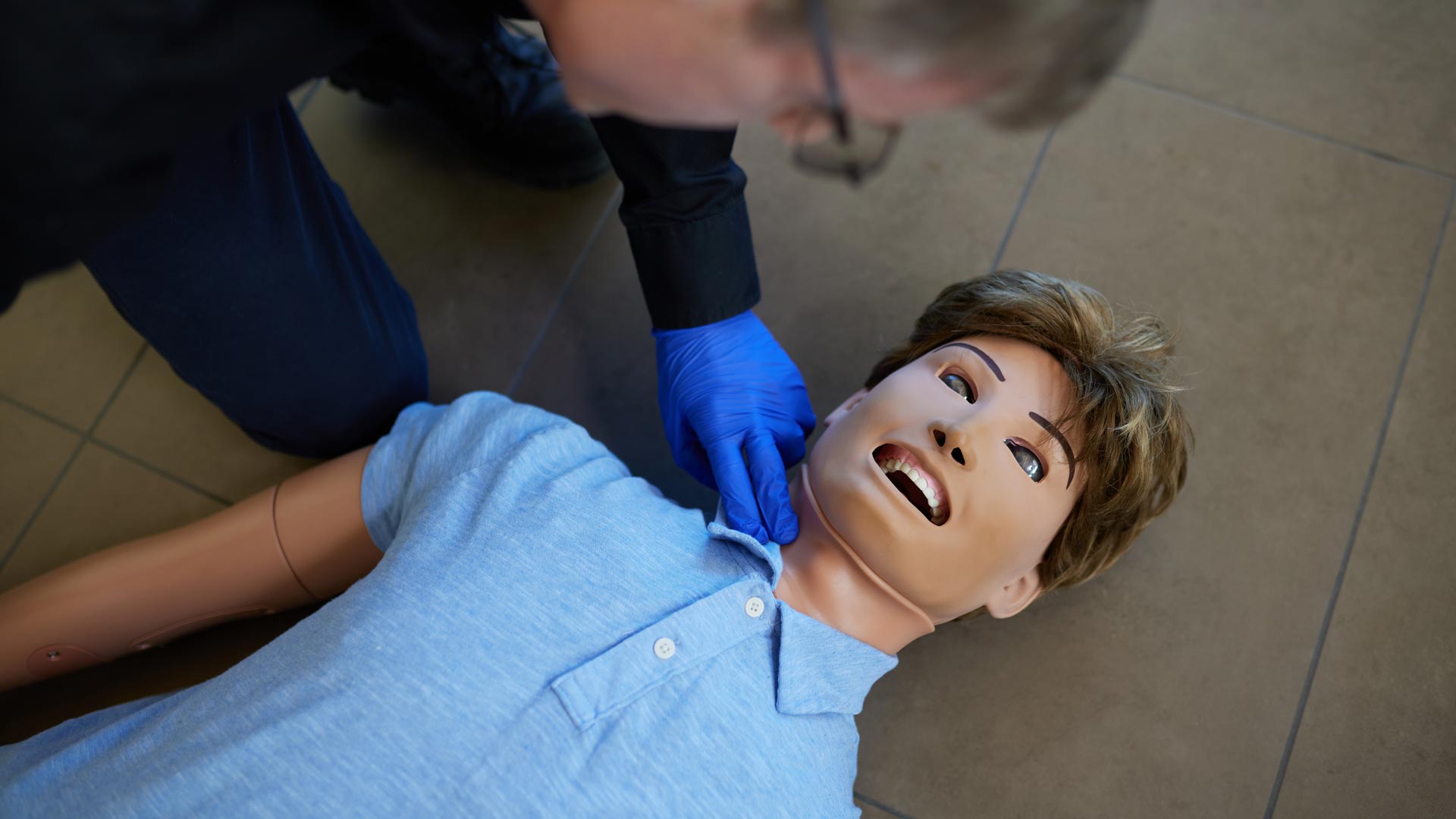
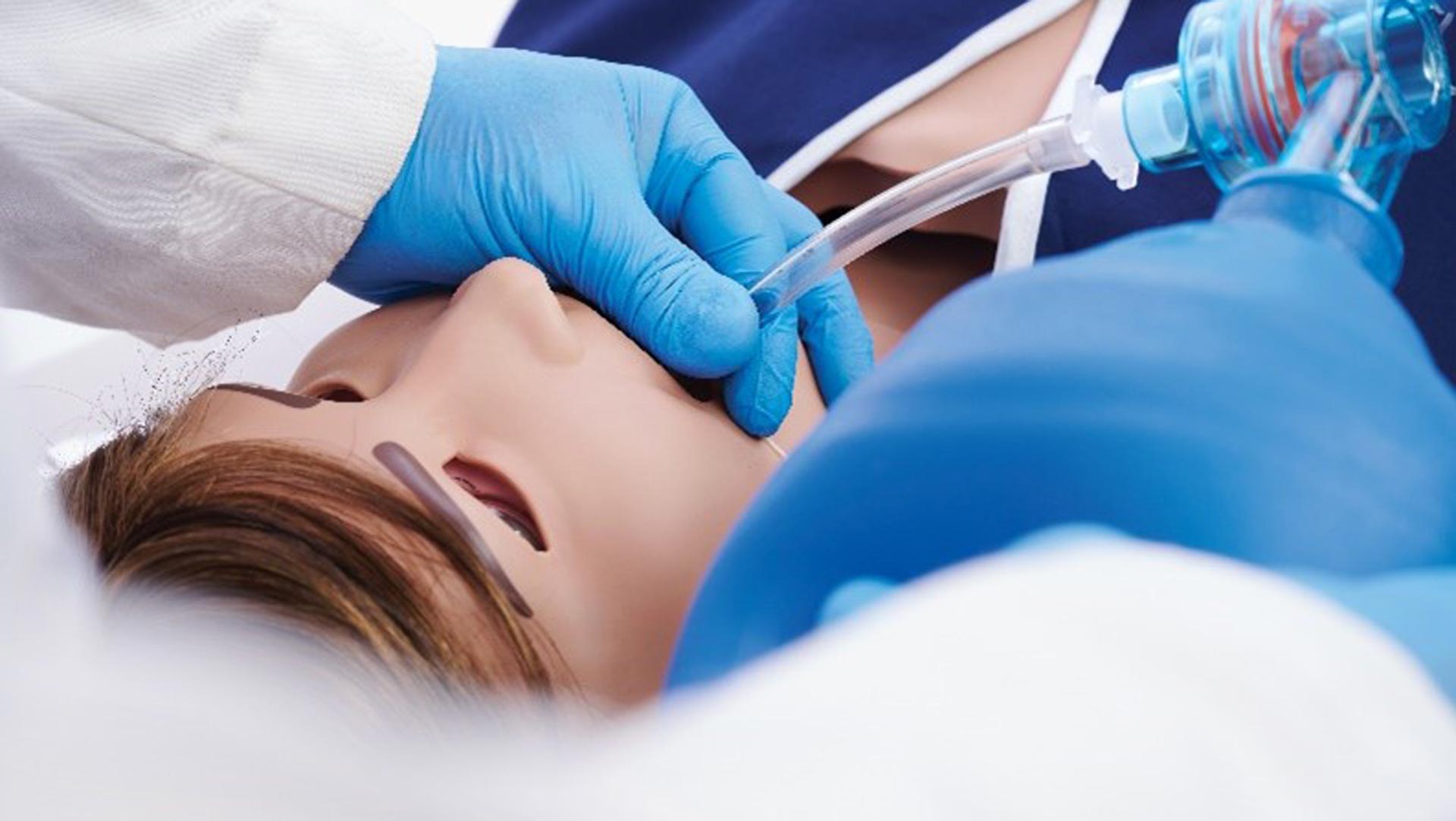
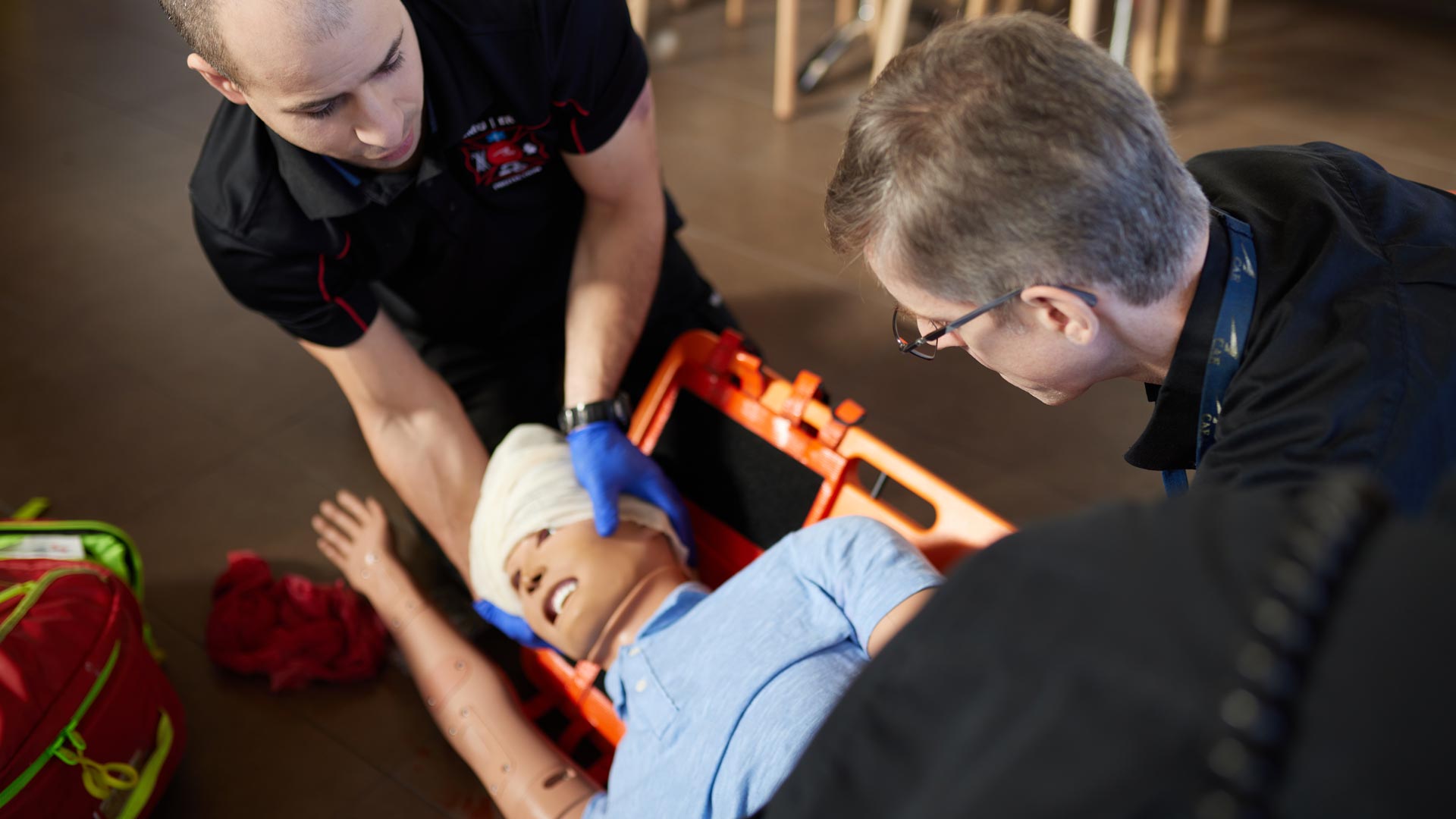
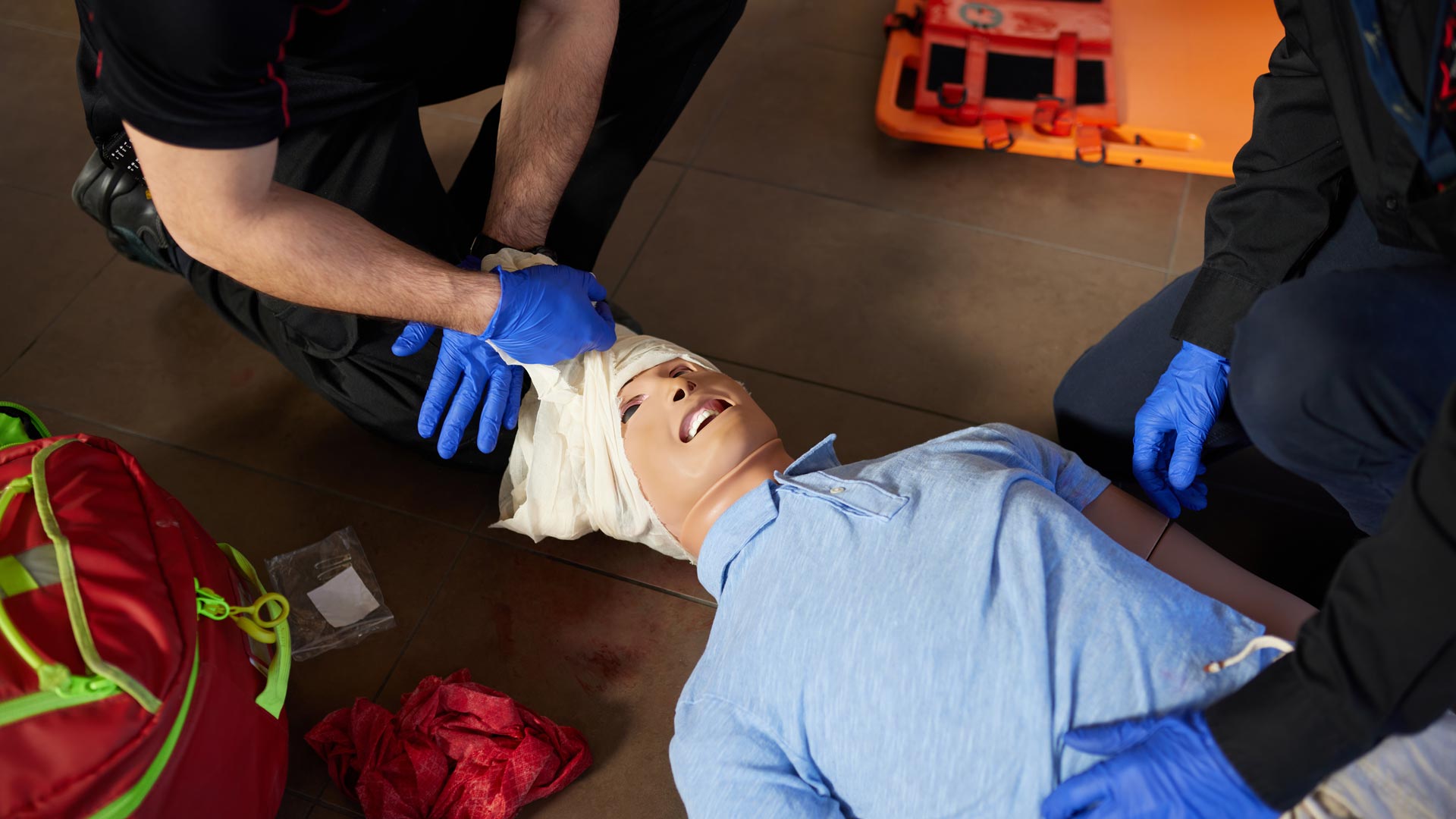
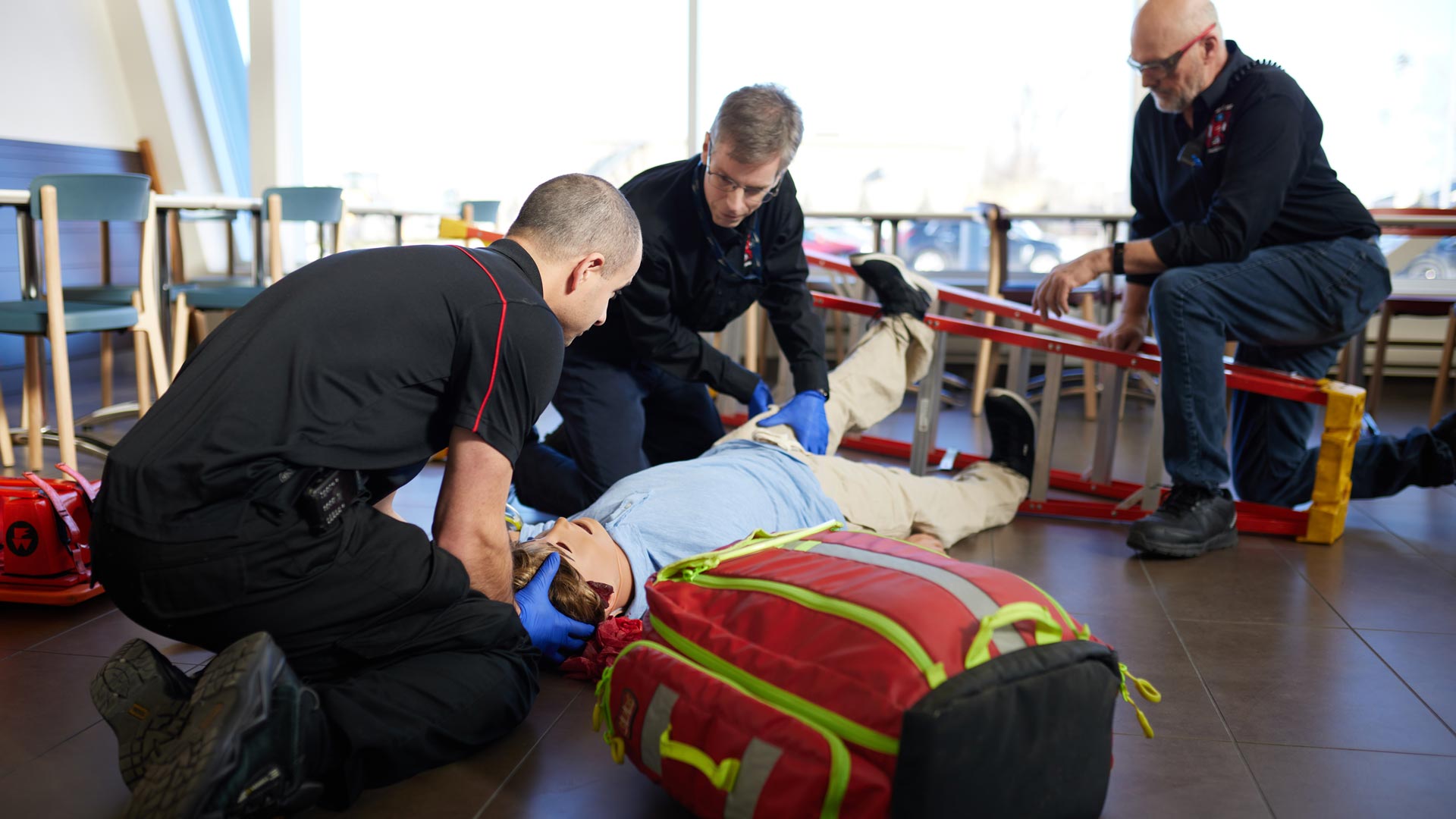
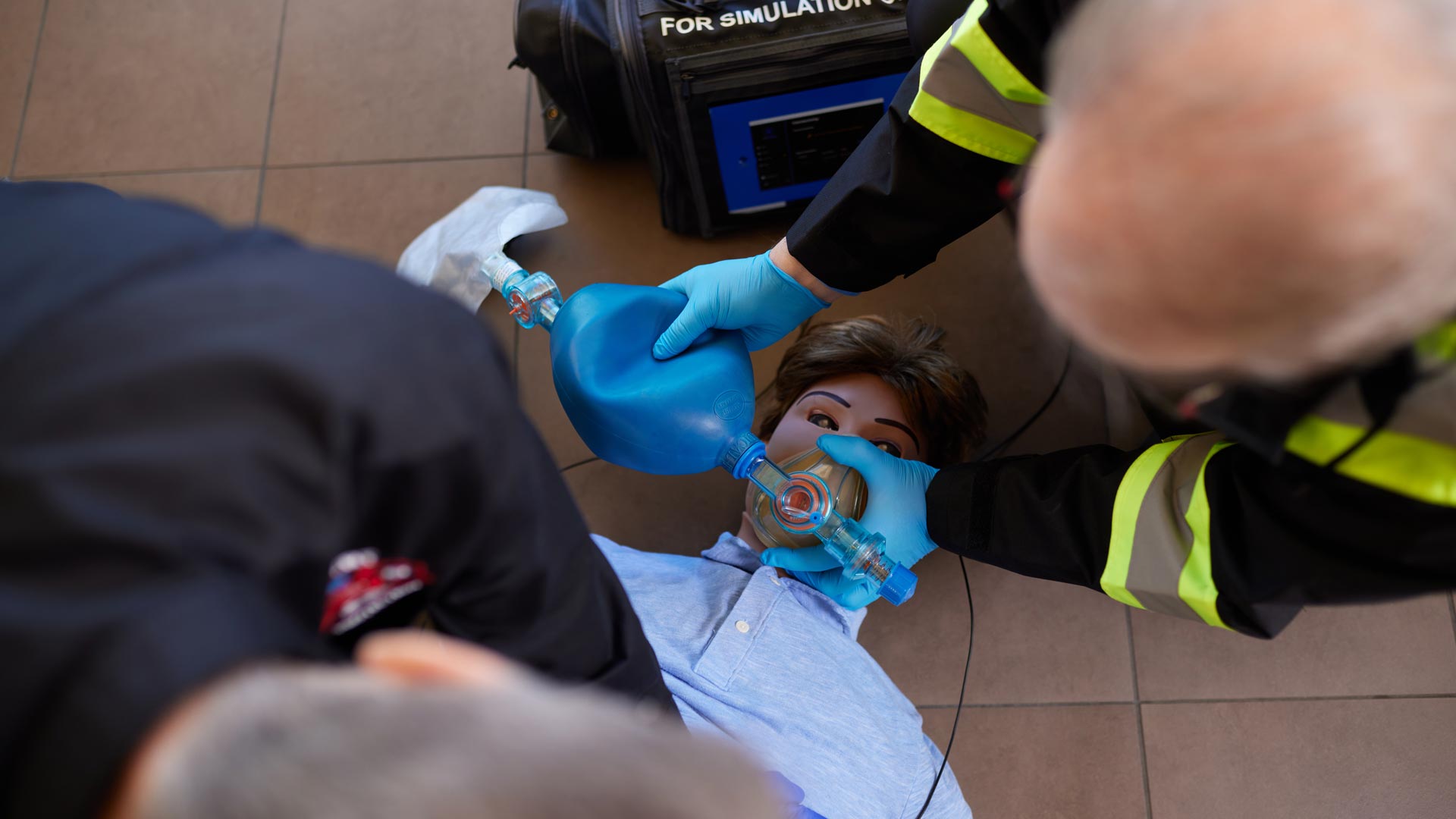
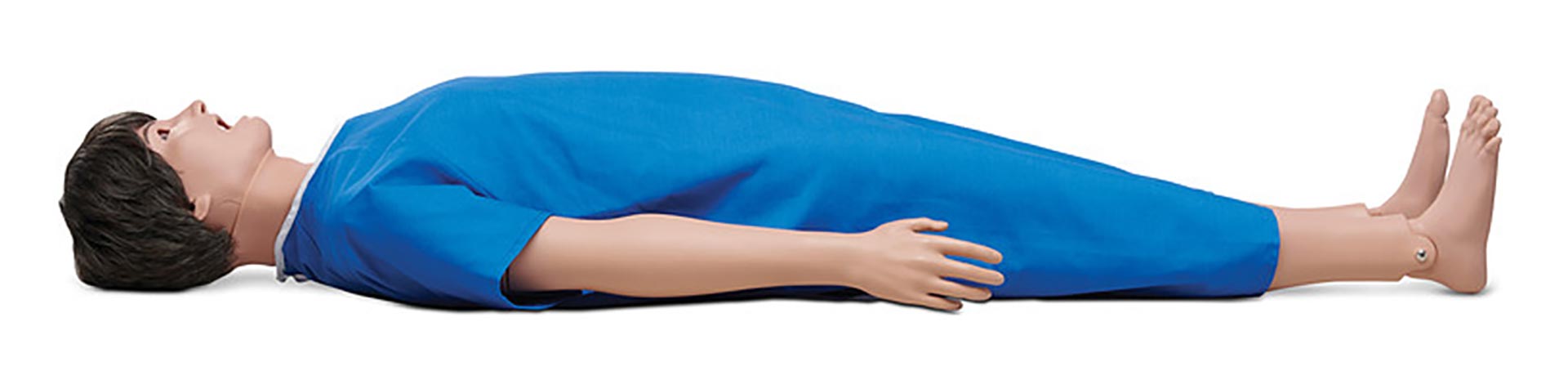
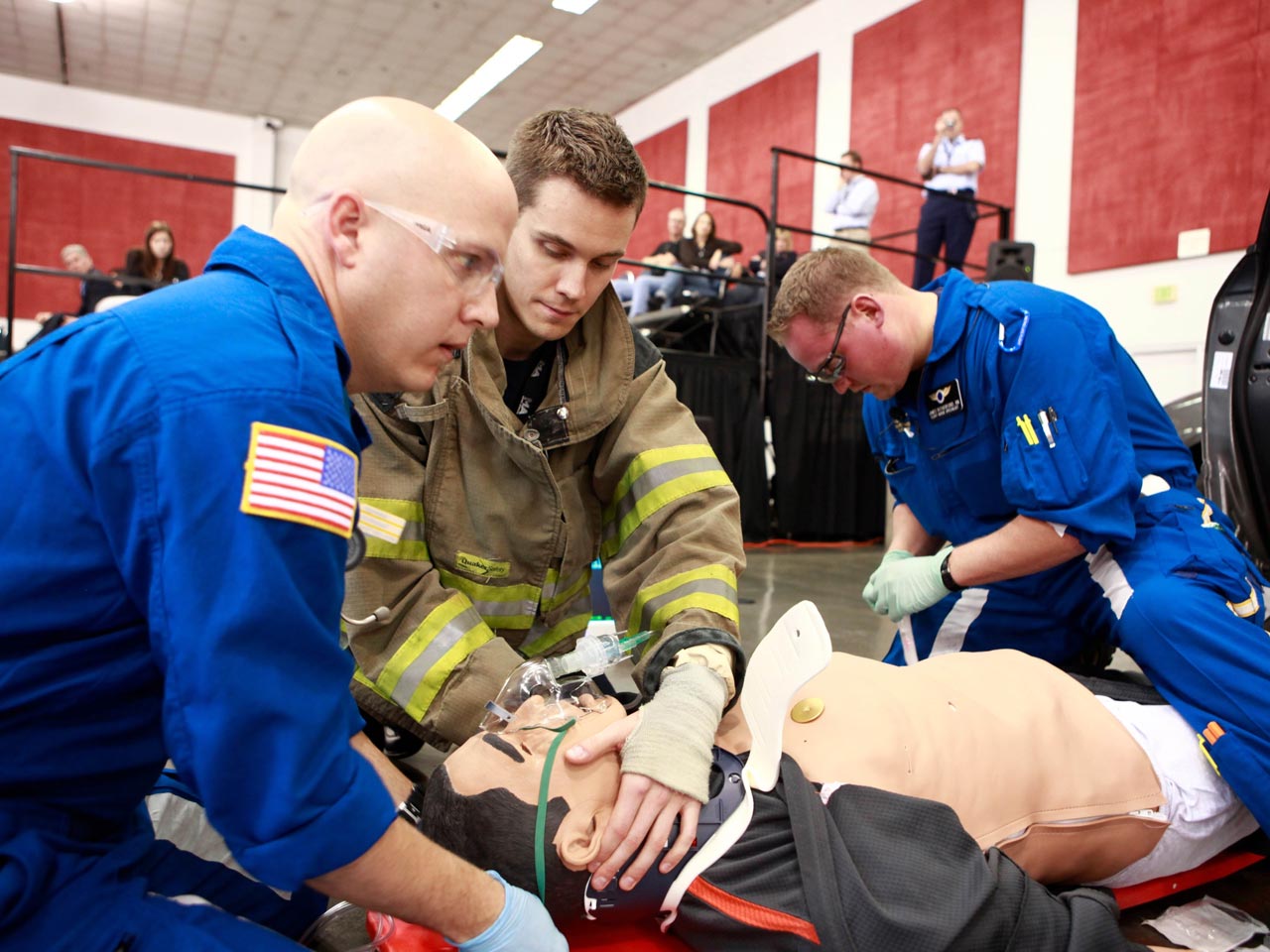
Save time and money with Ares, our cost-effective emergency care simulator designed for nursing programs, EMT educators, and trauma teams who need reliable training that delivers results. Learners can practice essential airway management, breathing assessment, and emergency medications while experiencing dynamic feedback that builds real confidence.
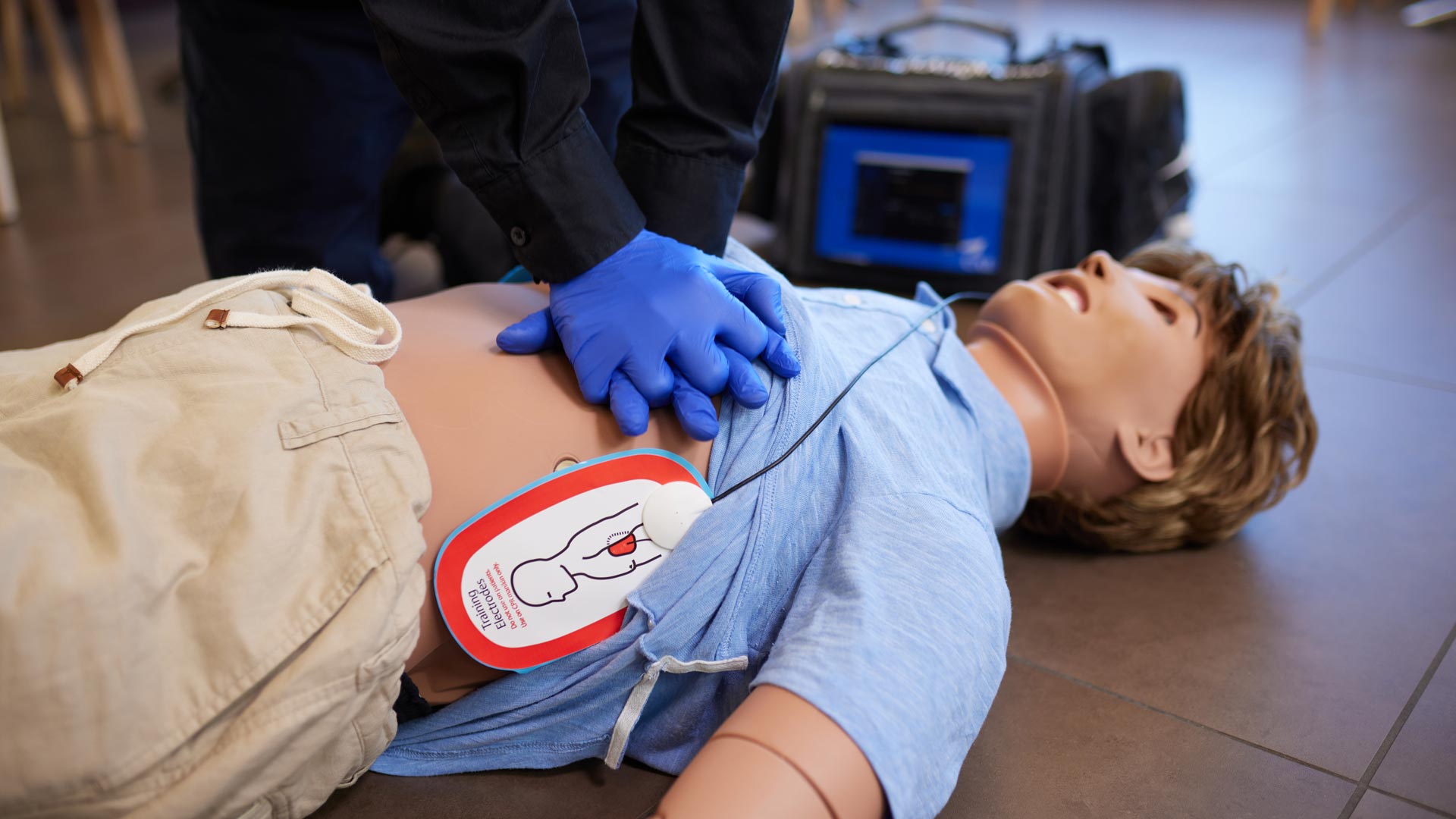
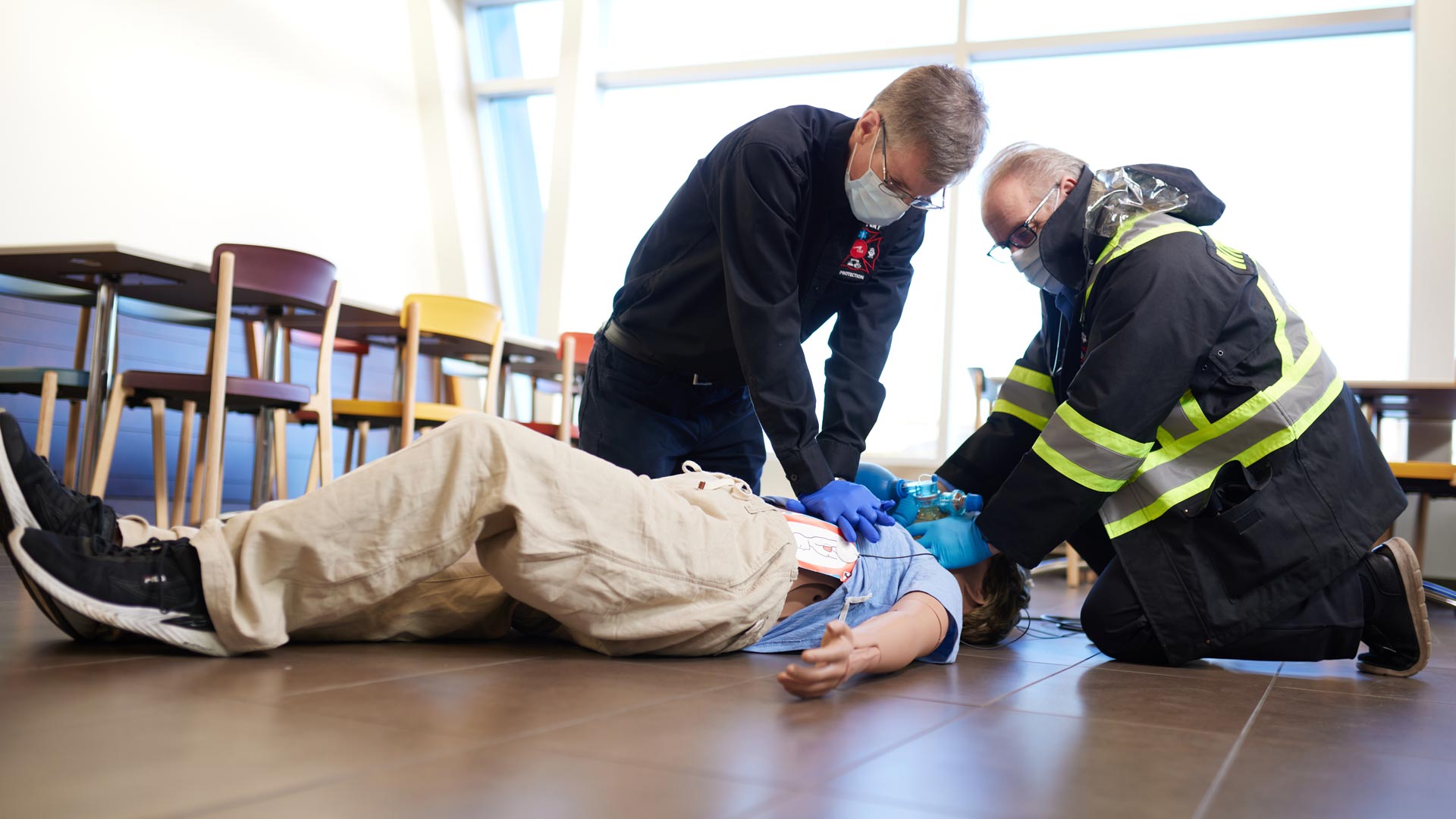
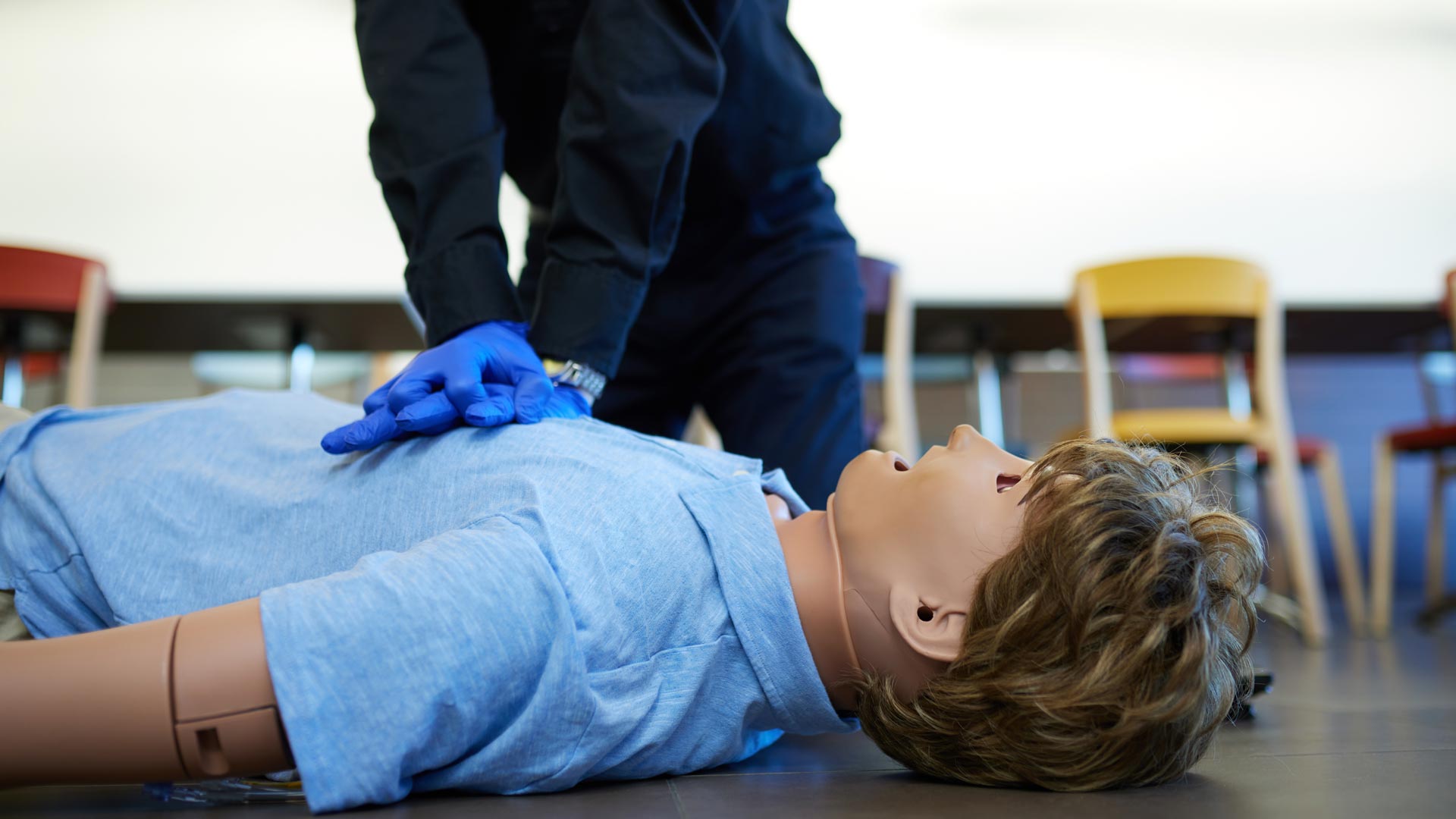
Ares integrates advanced training capabilities seamlessly into everyday curriculum. SymEyes technology enables patient condition assessment, while built-in CPR performance tracking ensures students master ALS and ACLS protocols. Combined with Maestro simulation software and two-way communication, these features create training experiences that translate directly to improved patient care.
"“Elevate Healthcare have many products that are available to meet the users where they're at, whether it is a low fidelity trainer or a mid-fidelity with some physiology, or a high-fidelity bit of equipment.” "
- - Dr. Daniel Ortiz, Associate Dean of Nursing and Allied Health
Why Choose Ares
Cost-Effective Solution
Durable construction reduces replacement and maintenance expenses
Flexible financing and service plan options
High training volume capacity supports program scalability
Proven Emergency Protocols
AHA and ERC compliant CPR training capabilities
ACLS and ALS protocol support
Evidence-based emergency care scenario library
Real equipment integration for authentic training experiences
Operational Reliability
Simplified setup and operation procedures
Comprehensive technical support and service options
See how Ares delivers realistic emergency care training capabilities.
Eyes
Alter the appearance of eyelids, pupils and sclera with SymEyes for diagnostic training
Head
Bilateral carotid pulses paired with modeled physiology for cardiovascular assessment
Chest
Spontaneous breathing with visible chest rise and fall during bag-valve-mask ventilation
Abdomen
Chest compressions compliant with AHA and ERC guidelines for resuscitation training
Lower Chest
Auscultate normal and abnormal heart, lung and bowel sounds for patient assessment
Wrists
Palpate bilateral brachial and radial pulses for circulatory evaluation
Knees
Realistic articulation at hips, knees, ankles, and shoulders for patient positioning
Eyes
Head
Chest
Abdomen
Lower Chest
Wrists
Knees
Experience Ares in an On-Demand Virtual Demo
Ares Virtual Demo
Explore Ares' emergency care capabilities, including SymEyes technology, two-way communication, advanced CPR performance analysis, and realistic emergency response training. See how Maestro software enables dynamic scenario management and real-time performance feedback for effective emergency care education.
Contractors often install T-111 with staples or smooth shank nails. As the panel cycles through wet/dry seasons, it shrinks and expands — working fasteners loose. The panel buckles, gaps form at seams, and water waltzes right in.
Factory-primed T-111 often fails within 3–5 years. Peeling starts at groove edges, then spreads. Why? The grooves hold moisture longer, and the thin face veneer expands/contracts at a different rate than the backing. Once water gets under the coating, the sun bakes it into vapor that blows the paint off. t-111 siding problems
Because T-111 is structural (often used without sheathing), rot can spread into wall studs, insulation, and framing before you see a single brown spot on the exterior. A seemingly solid panel may be held in place only by paint film. Contractors often install T-111 with staples or smooth
The grooves aren’t just cosmetic — they create vertical channels that suck water upward by capillary action. Once the bottom edge touches damp ground or a splash zone, moisture wicks into the untreated plywood core. Result: swelling, delamination, and a perfect mold buffet. Factory-primed T-111 often fails within 3–5 years
Here’s an interesting, practical take on — written as a cautionary field guide for homeowners and builders. The Hidden Weakness of T-111: A Cautionary Tale T-111 (plywood siding with grooves every 4 or 8 inches) looks rustic, installs fast, and costs less than fiber cement or cedar. But its problems tell a story of water, neglect, and design blind spots.
Every cut edge — around windows, at corners, along the bottom — exposes raw, unsealed end-grain. It’s like sticking a bundle of straws into the rain. In humid climates, T-111 can rot from the inside out while the face still looks fine.
Virtual Demos On-Demand
They’re designed to help you envision how the right tools can support your goals and integrate seamlessly into your program.