Her first night, she woke at 03:00 to a soft tapping. Not mechanical. Rhythmic. Like fingernails on glass. She traced it to the navigation dome, a bubble of reinforced crystal at the ship’s bow. The stars outside were steady. The tapping stopped when she entered.
That night, she downloaded the ship’s raw sensor history. Buried in the data was a repeating anomaly: a faint, coherent signal embedded in the cosmic microwave background. It wasn’t a transmission. It was a key . Every time the Vazar passed through a certain patch of interstellar medium, the signal activated something in the hull.
But the Vazar was different. She felt it the moment she stepped aboard. The corridors were too warm, the air too still. The ship’s AI, a silent observer, never spoke unless commanded. And the walls—they seemed to breathe.
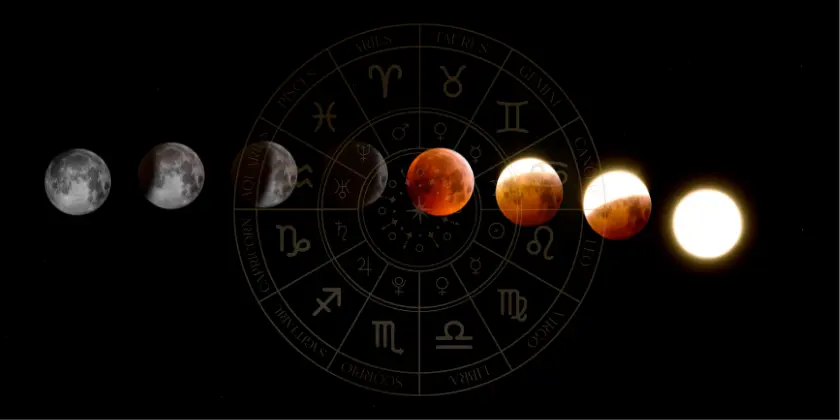 Total Lunar Eclipse : 3rd March 2026
 Venus Transits Pisces, 2 March 2026 till 26 March 2026
 Mercury Transit and Mercury Retrograde in Aquarius
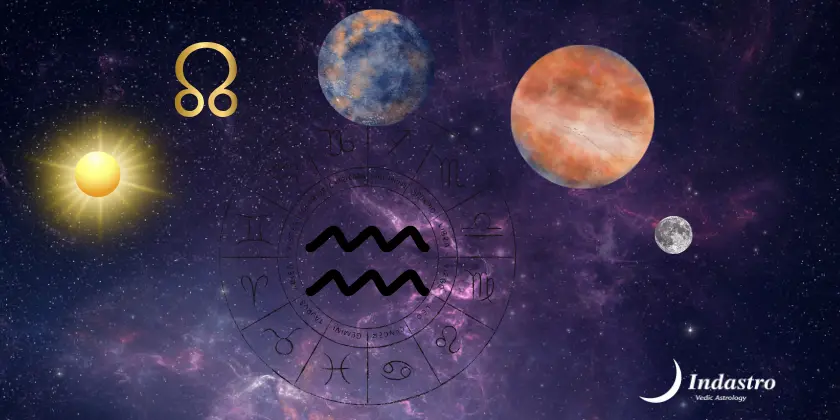 The Effect of Solar Eclipse and the 5 Planet Conjunction on 17 February 2026
 Mercury Transits Sagittarius, 29 Dec 2025 till 17 Jan 2026