Postman - Desktop

Beyond API Calls: Why Postman Desktop Is Still the Command Center for Modern Development

Desktop means global shortcuts, native menus, and system-level integration. Command+K (Ctrl+K) pulls up the universal search instantly. Drag and drop a JSON file from your Finder/Explorer directly into the request body. These micro-interactions add up to serious velocity.

Tabs crashing? Extensions conflicting? The desktop app eliminates browser memory limits and security sandboxes. When you’re debugging a critical OAuth flow or load-testing a batch of GraphQL mutations, the last thing you need is Chrome throttling your connection. Postman Desktop runs as its own process, offering consistent performance. postman desktop

The desktop UI spreads out. Side-by-side panes, a fully resizable console, and a collection runner that doesn’t collapse under its own weight. For API-first teams managing hundreds of endpoints, screen real estate is leverage.

Need a version for a different audience (e.g., non-technical managers or API beginners)? Let me know and I can adjust the tone. Beyond API Calls: Why Postman Desktop Is Still

In a world racing toward cloud-only solutions, the app remains a surprising but essential anchor for developers. While the web version offers convenience, the desktop client delivers something irreplaceable: raw, native power.

The Postman web app is perfect for quick shares and public documentation. But Postman Desktop is for the trenches—where headers are finicky, response times matter, and your .pem files live locally. These micro-interactions add up to serious velocity

For developers working on localhost:3000 or behind corporate VPNs, the desktop client handles self-signed certificates and internal routing seamlessly. The web version often struggles with mixed-content security policies; the desktop app simply asks, “Do you trust this certificate?” and moves on.

Why TOUCH VPN?

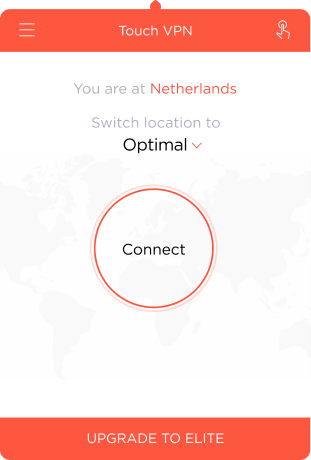
native apps Main view

Friendly Native Apps for Every Platform

With TouchVPN you are safe and limitless online within just 3 steps, within 3 minutes. No technical knowledge is required. VPN is available for all devices. Sign up, install, and press connect.

Servers in 80+ Countries Worldwide

With over 5900 servers in 90+ countries, we give you blazing fast speeds and unlimited bandwidth. No more buffering, throttling from your Internet Service Provider or proxy errors with our VPN connection!
Get TOUCH VPN
Servers

Beyond API Calls: Why Postman Desktop Is Still the Command Center for Modern Development

Desktop means global shortcuts, native menus, and system-level integration. Command+K (Ctrl+K) pulls up the universal search instantly. Drag and drop a JSON file from your Finder/Explorer directly into the request body. These micro-interactions add up to serious velocity.

Tabs crashing? Extensions conflicting? The desktop app eliminates browser memory limits and security sandboxes. When you’re debugging a critical OAuth flow or load-testing a batch of GraphQL mutations, the last thing you need is Chrome throttling your connection. Postman Desktop runs as its own process, offering consistent performance.

The desktop UI spreads out. Side-by-side panes, a fully resizable console, and a collection runner that doesn’t collapse under its own weight. For API-first teams managing hundreds of endpoints, screen real estate is leverage.

Need a version for a different audience (e.g., non-technical managers or API beginners)? Let me know and I can adjust the tone.

In a world racing toward cloud-only solutions, the app remains a surprising but essential anchor for developers. While the web version offers convenience, the desktop client delivers something irreplaceable: raw, native power.

The Postman web app is perfect for quick shares and public documentation. But Postman Desktop is for the trenches—where headers are finicky, response times matter, and your .pem files live locally.

For developers working on localhost:3000 or behind corporate VPNs, the desktop client handles self-signed certificates and internal routing seamlessly. The web version often struggles with mixed-content security policies; the desktop app simply asks, “Do you trust this certificate?” and moves on.