P1525 F3 Renault 1.5 Dci -

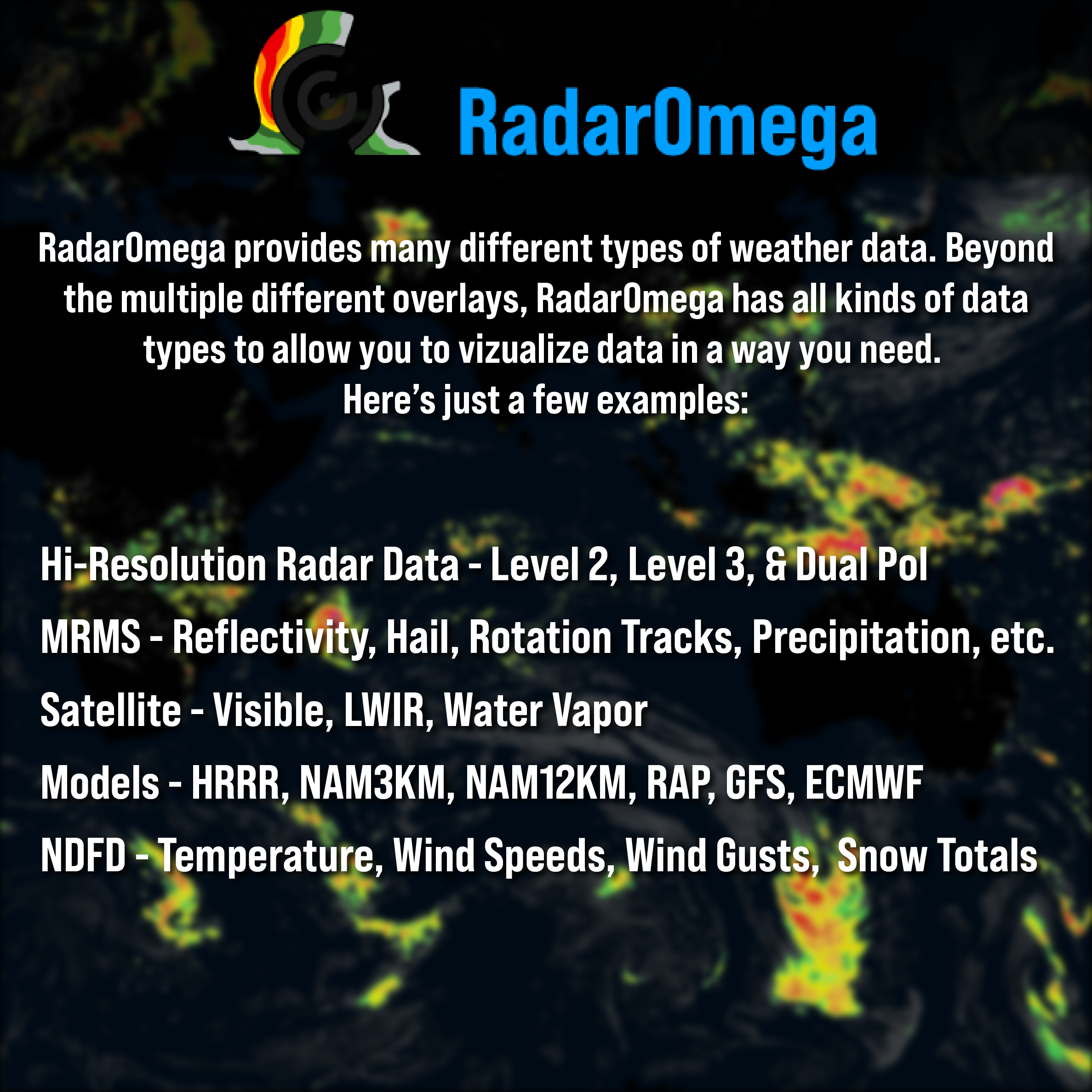
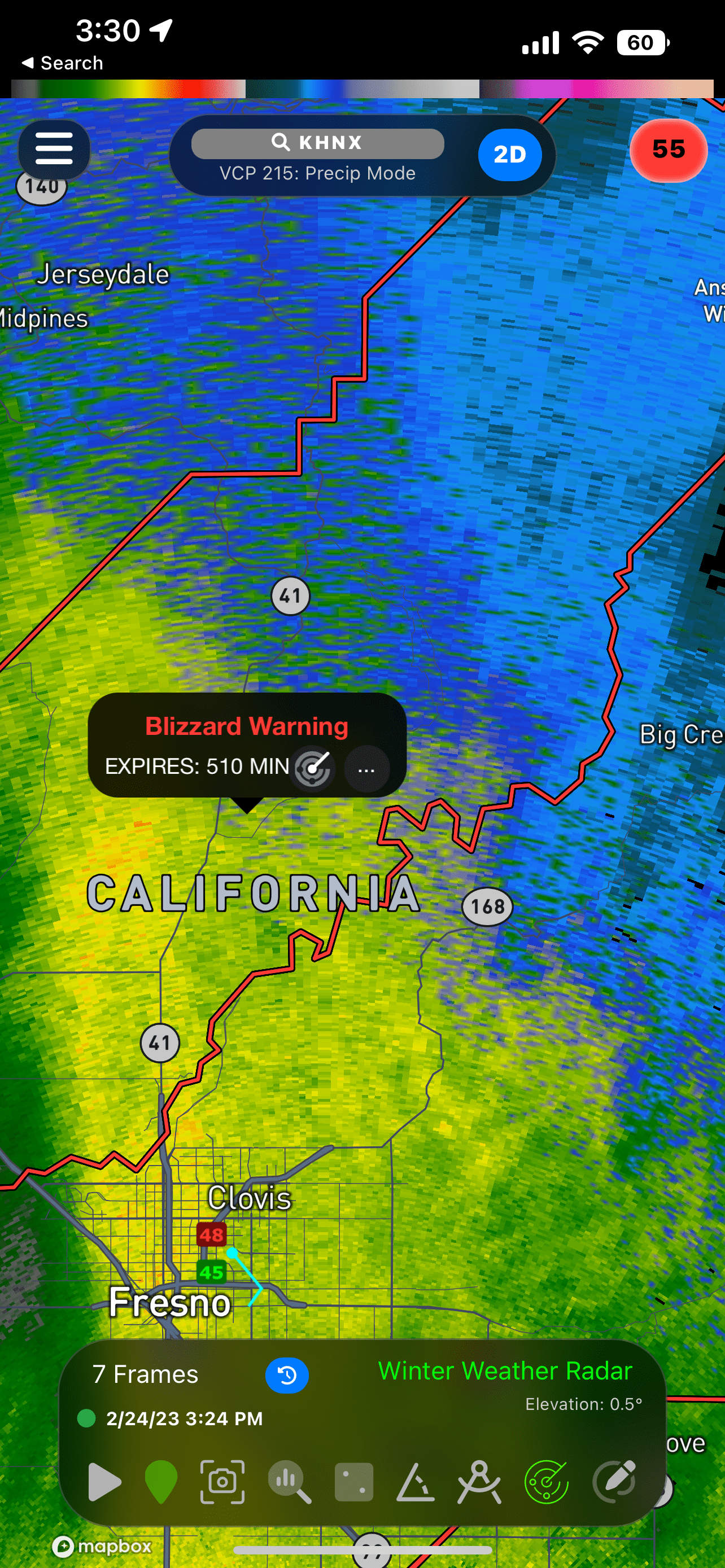
No matter where life takes you, RadarOmega has you covered. High resolution single site radar data keeps you aware of rapidly changing weather conditions, faster than most conventional weather applications on the market.


More than just radar.

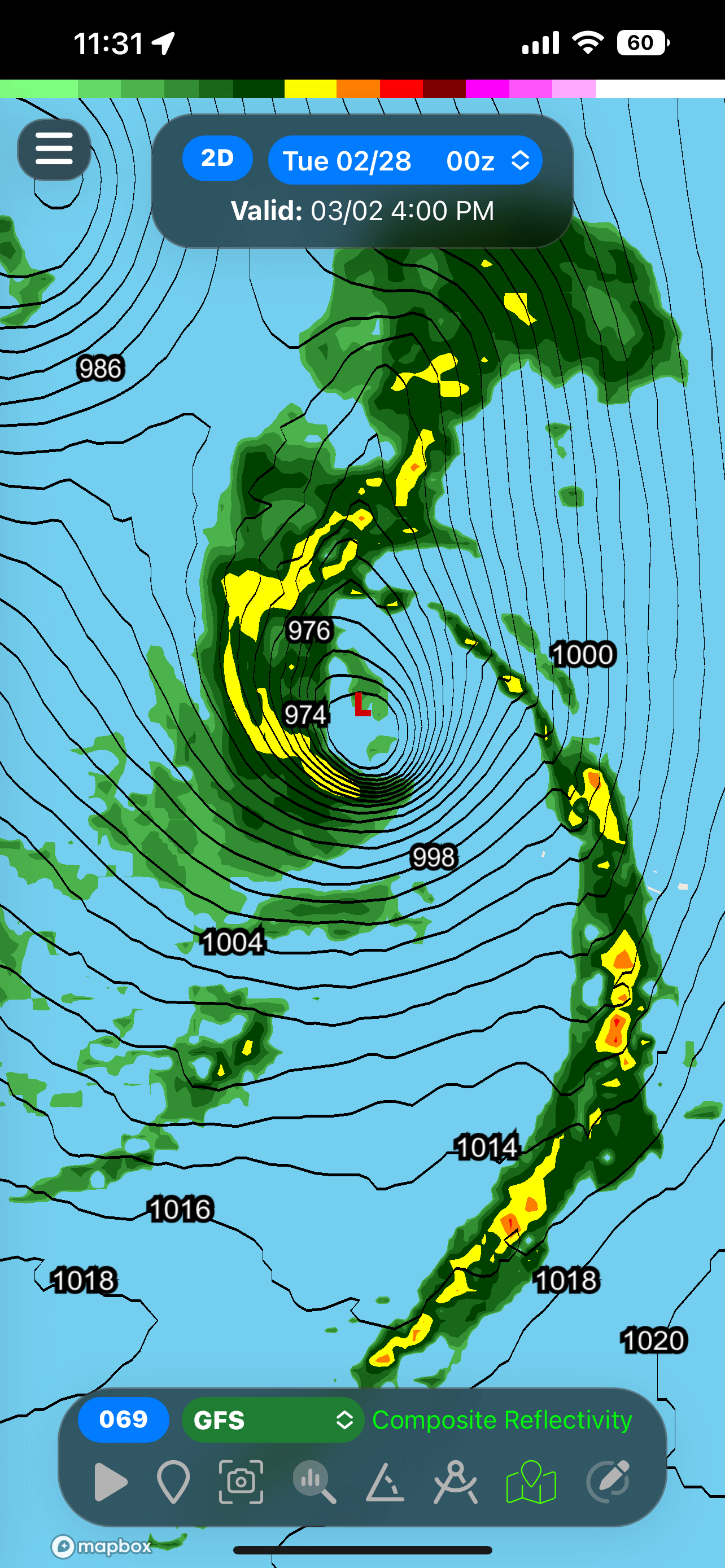
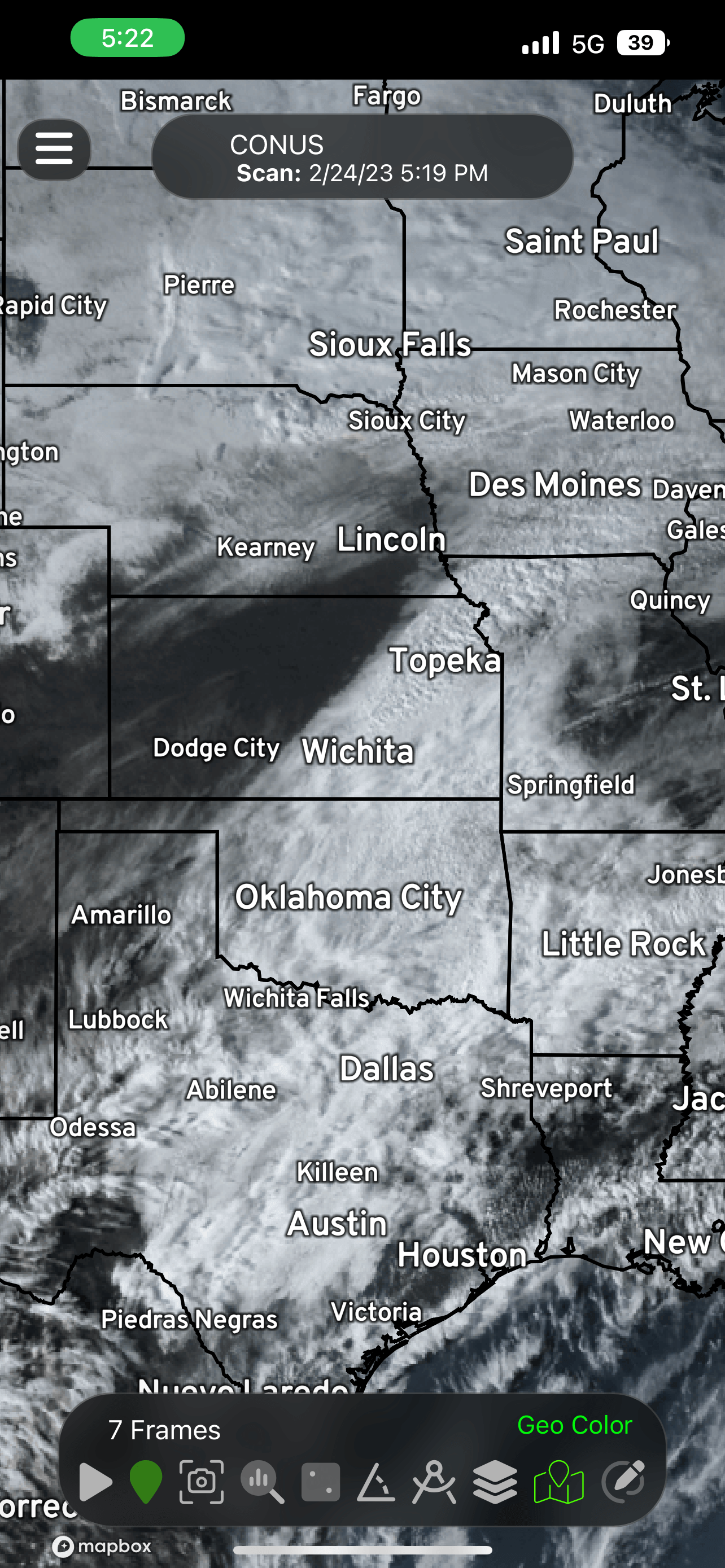
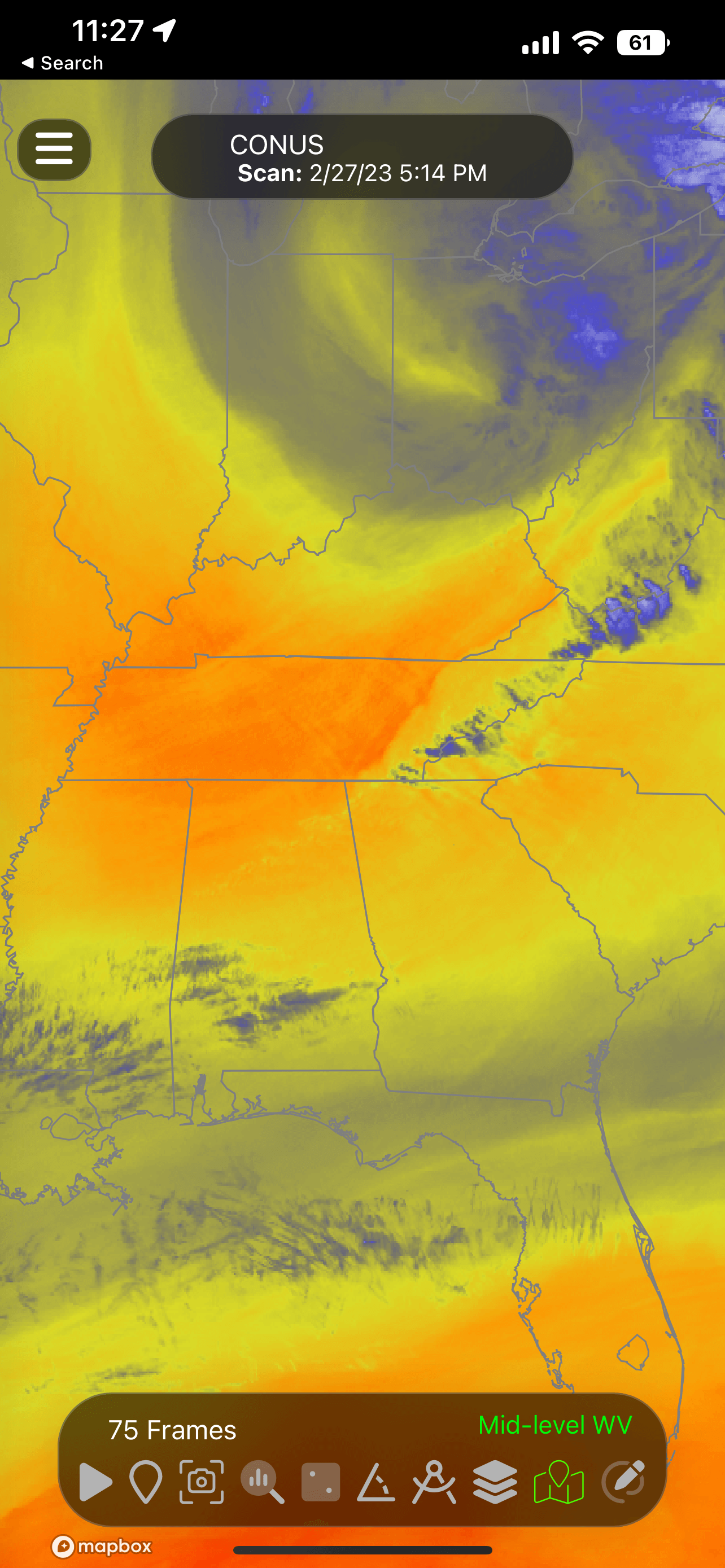
Subscriber packages offer additional data such as satellite, MRMS, and models – right at your fingertips on desktop or on a mobile device. The decision is yours with an Alpha, Beta, or Gamma subscription!

p1525 f3 renault 1.5 dci

Hi-Resolution Radar

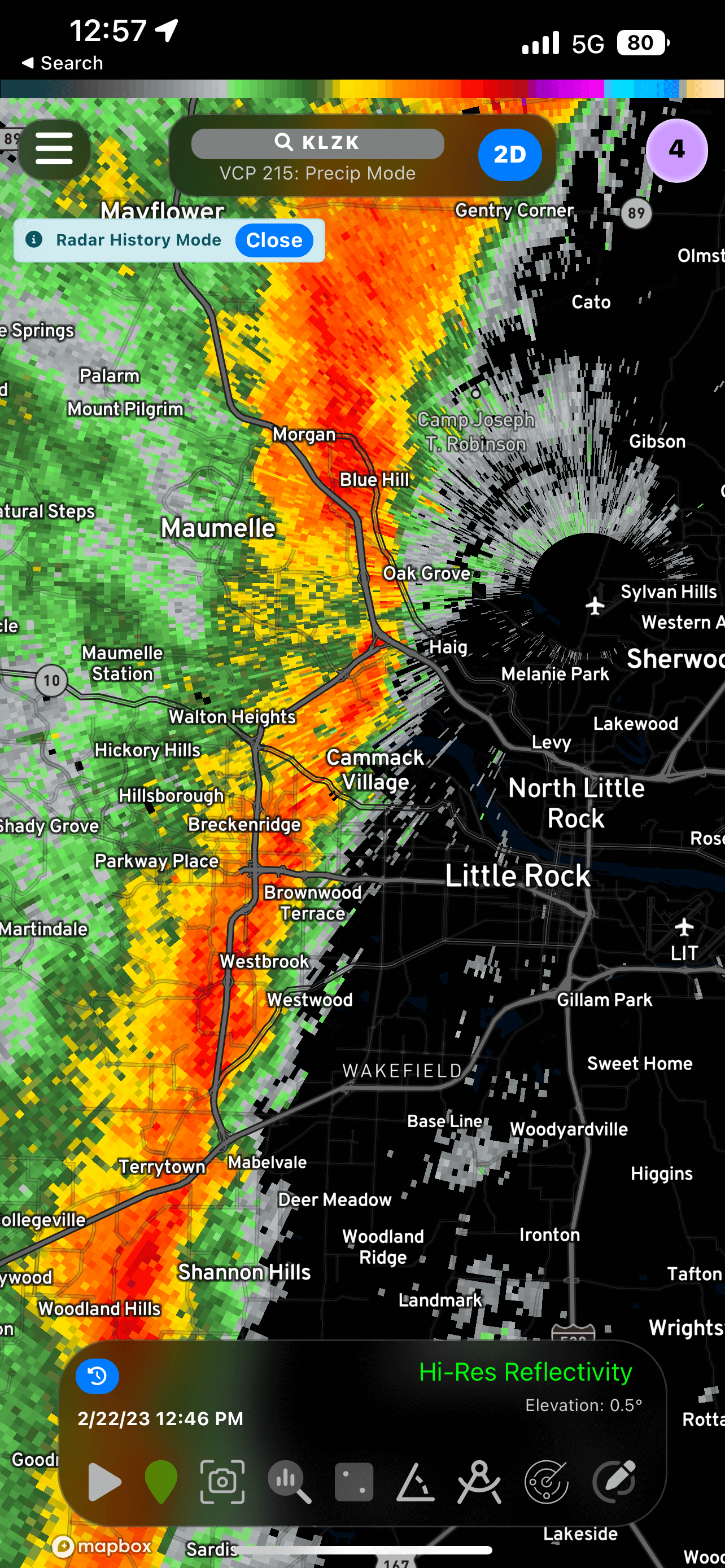
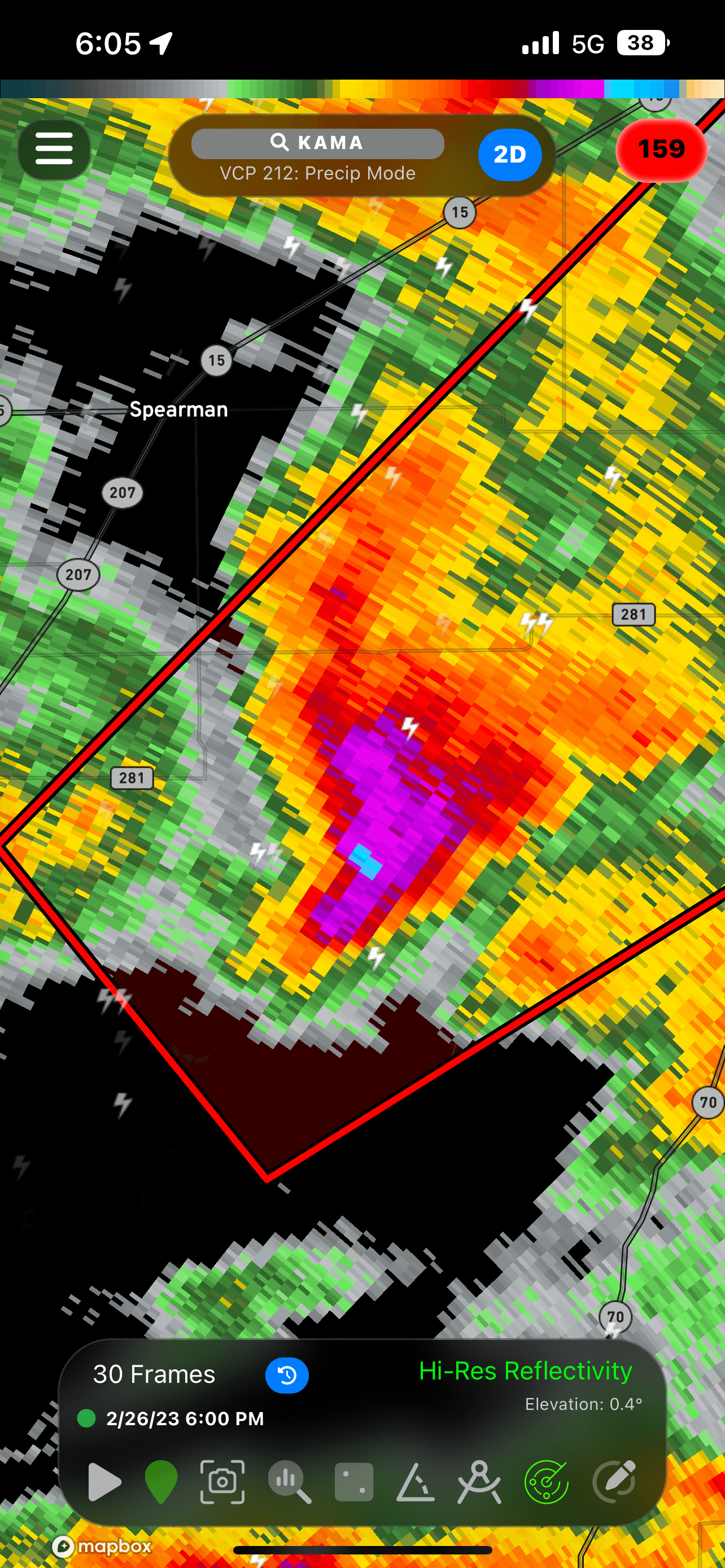
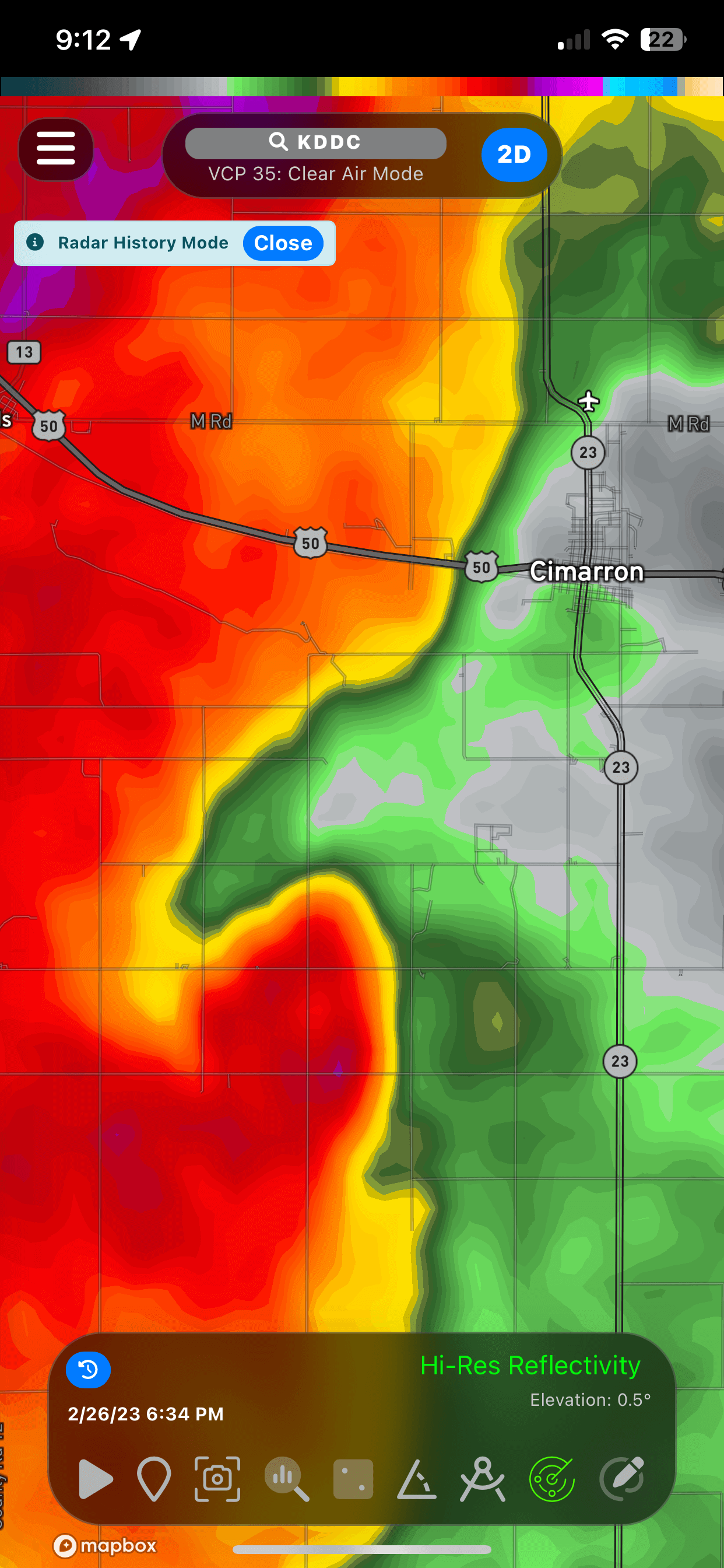
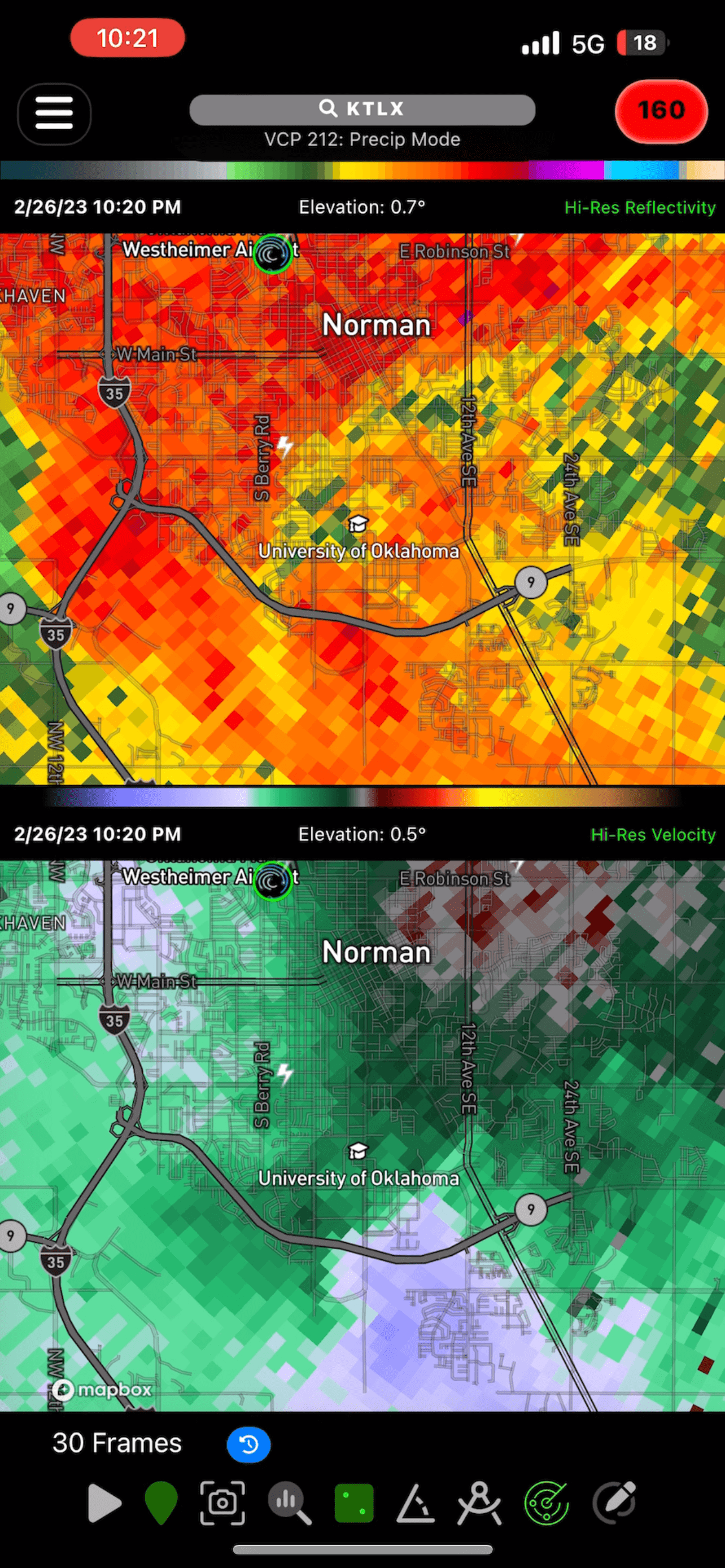
RadarOmega offers many hi-resolution radar products, including reflectivity and velocity. RadarOmega has all the tools you need for a rainy day!

p1525 f3 renault 1.5 dci

Customization

One key feature about RadarOmega is the ability to have a unique viewing experience. From display settings to custom data layers, the possibilities are endless!

p1525 f3 renault 1.5 dci

One-Stop Shop

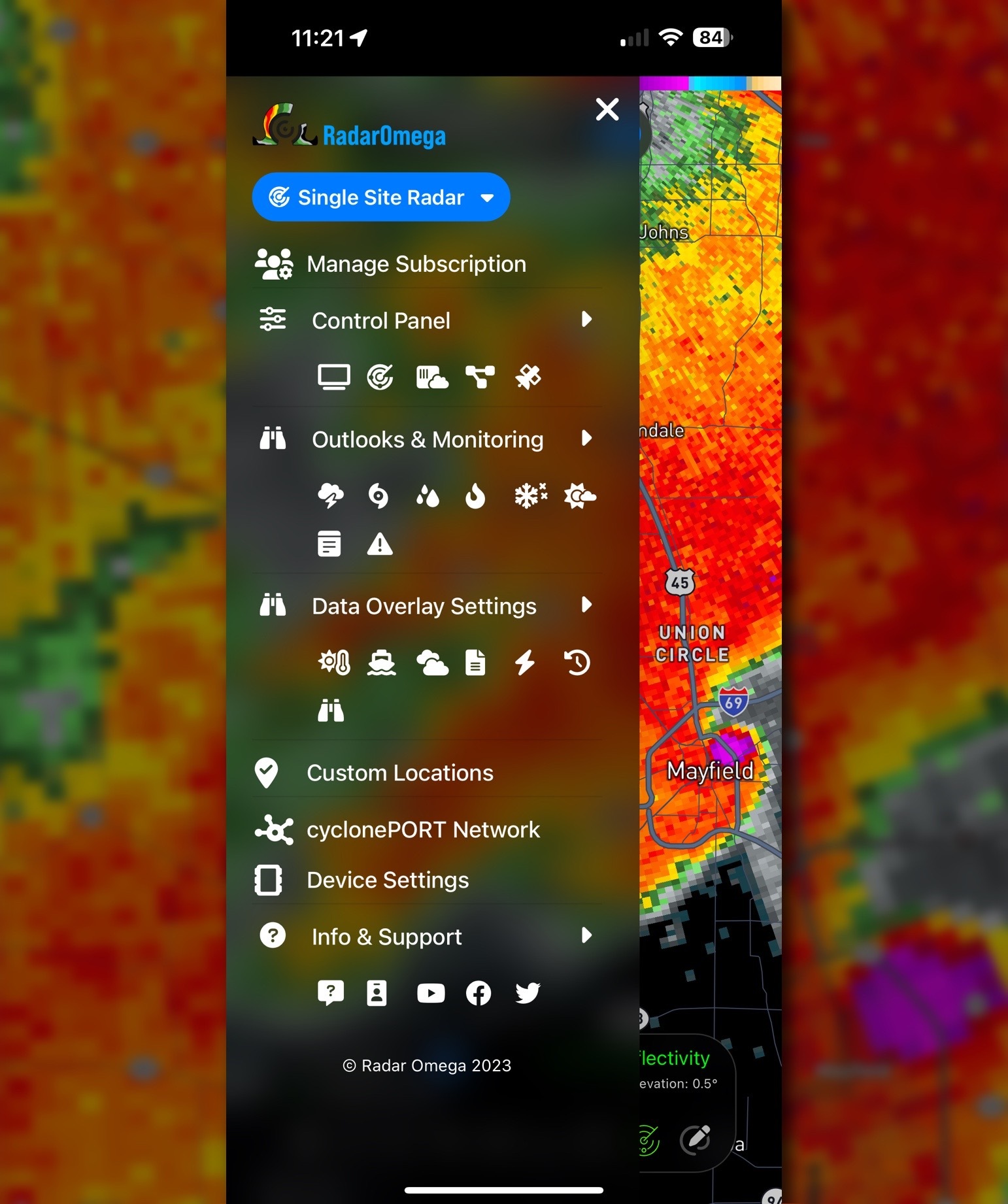
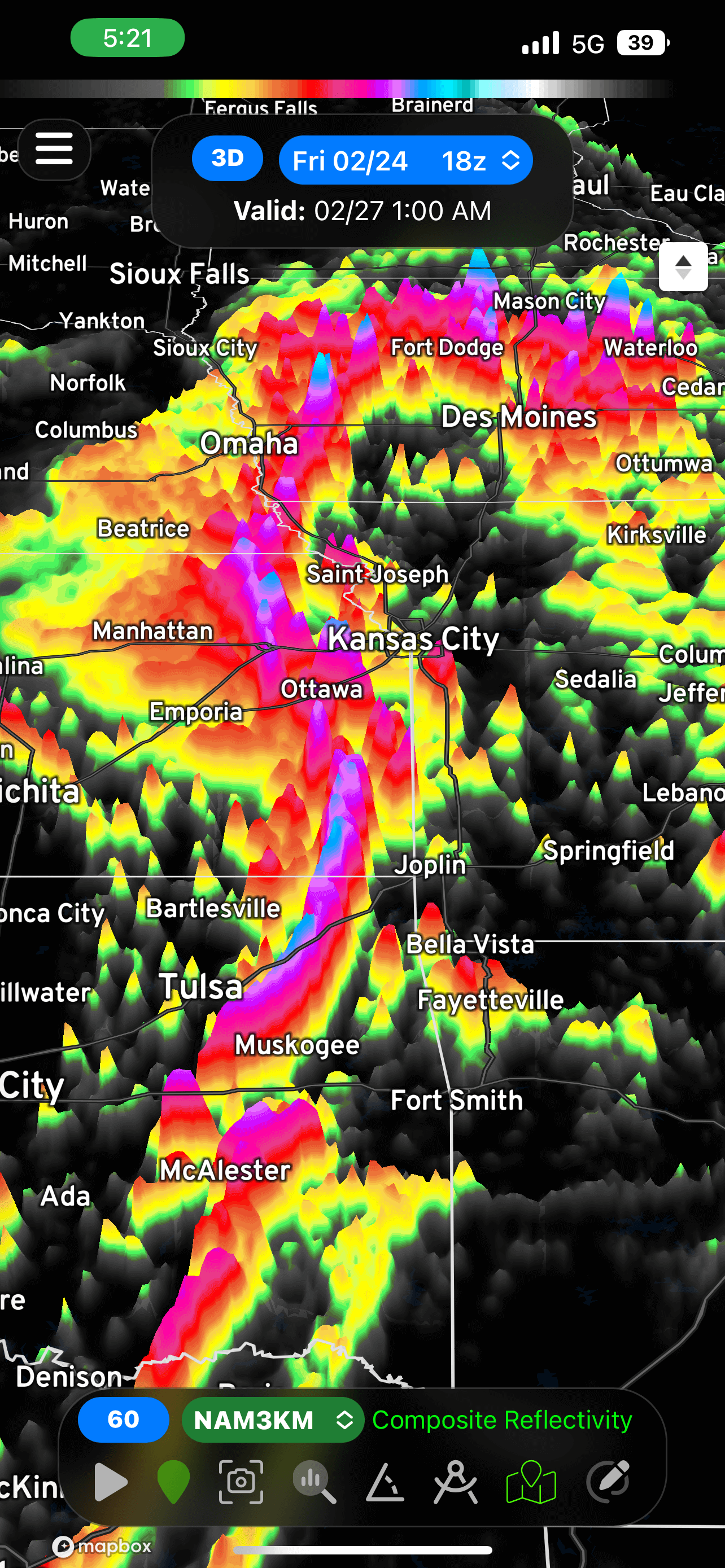
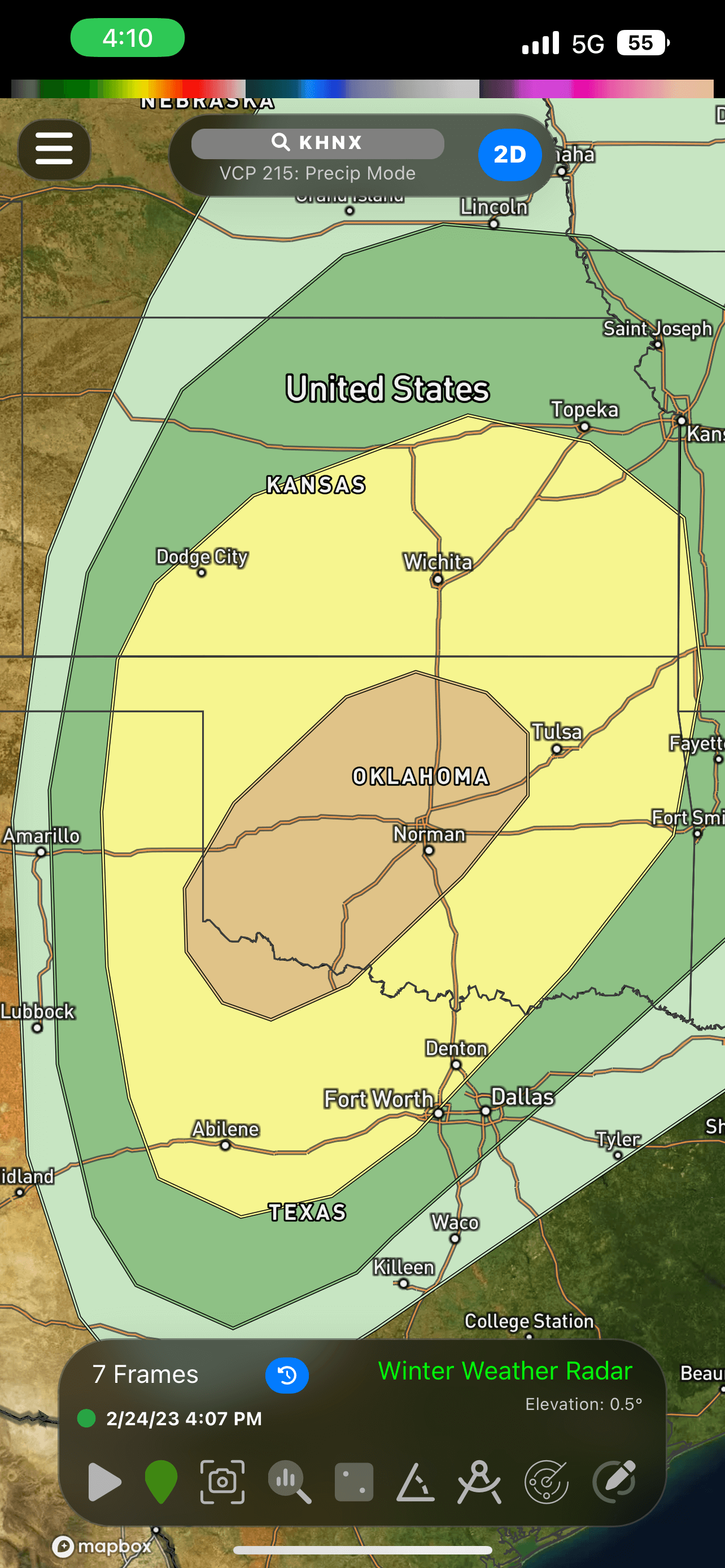
If you’re looking for more than just radar, look no further! RadarOmega is your one-stop shop for all your weather needs, such as official outlooks from the Storm Prediction Center, National Hurricane Center, and more.

About RadarOmega

Here at RadarOmega, we know how important it is to have the latest information when it comes to weather. Our focus is providing accurate, up-to-date information directly from the source. We strive to provide users with one of the most powerful weather applications available, with a focus on continuous improvements and innovations.

RadarOmega provides high resolution single site radar data to help keep you aware of rapidly changing weather conditions, faster than most conventional weather applications on the market. RadarOmega has more features available with the base application than any other software out there!

about app

Popular Base Application Features

The one-stop shop radar app. Here are just a few of the many features RadarOmega has to offer with the base app!

p1525 f3 renault 1.5 dci

Hi-Resolution Radar Data

RadarOmega provides hi-resolution radar data from single site radars across the world. Whether you need reflectivity, velocity, or dual-polarization products, RadarOmega has you covered. p1525 f3 renault 1.5 dci

Outlooks & Monitoring

Whether your primary concern is severe weather, flooding, or winter weather, RadarOmega offers a multitude of outlooks and discussions directly from the National Weather Service: From a diagnostic perspective, p1525 f3 demands a

  • Tornado Watches & Warnings
  • Tropical Weather Outlooks
  • Excessive Rainfall Outlooks
  • Fire Weather Outlooks
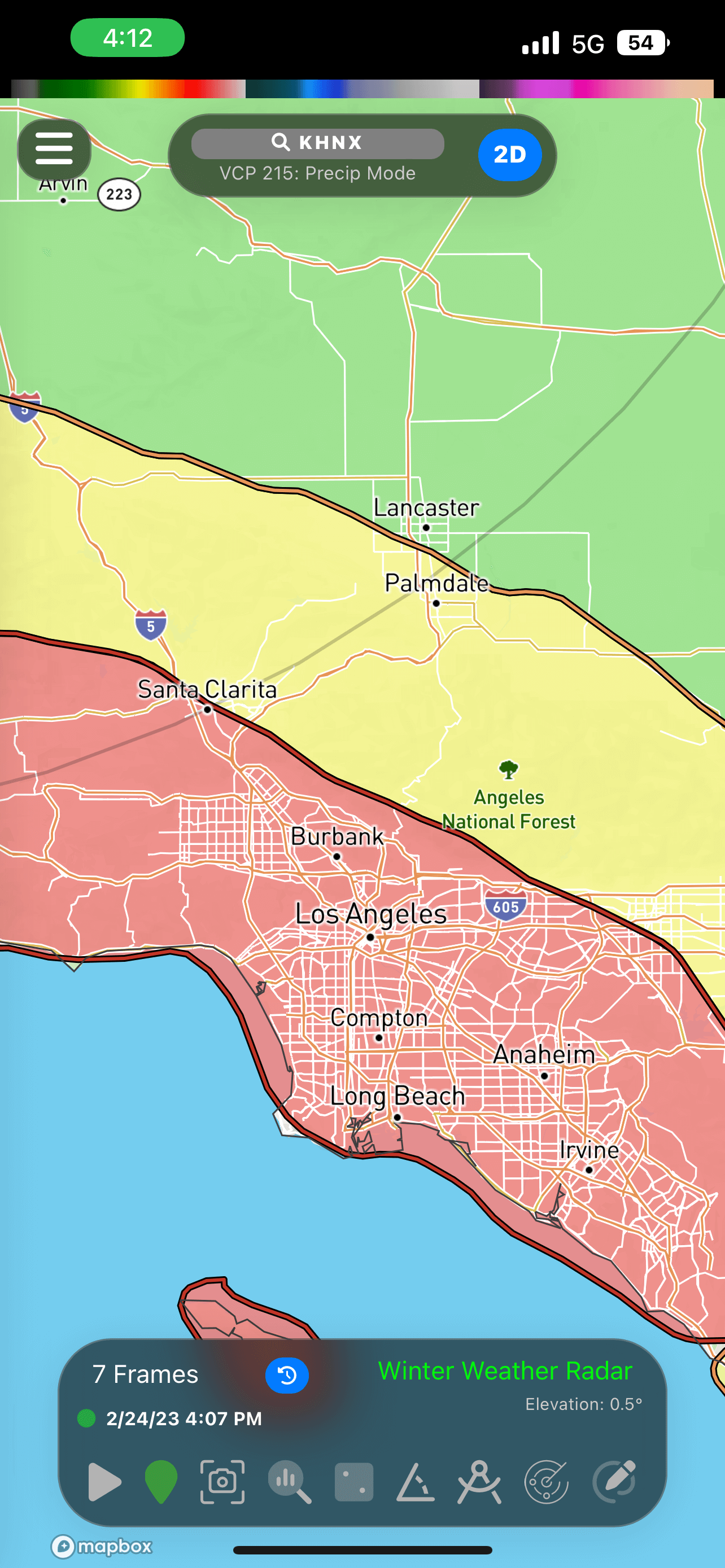
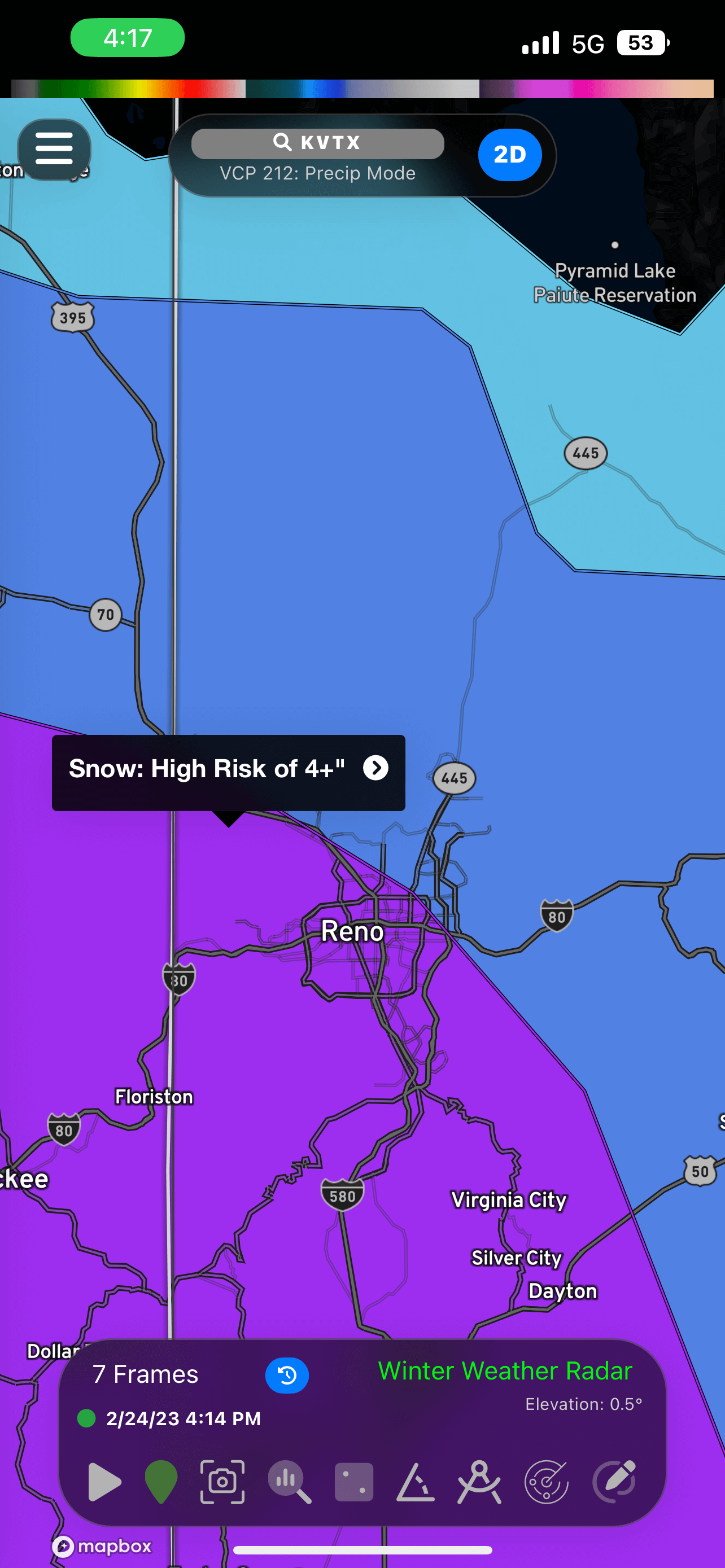
  • Winter Weather Forecasts

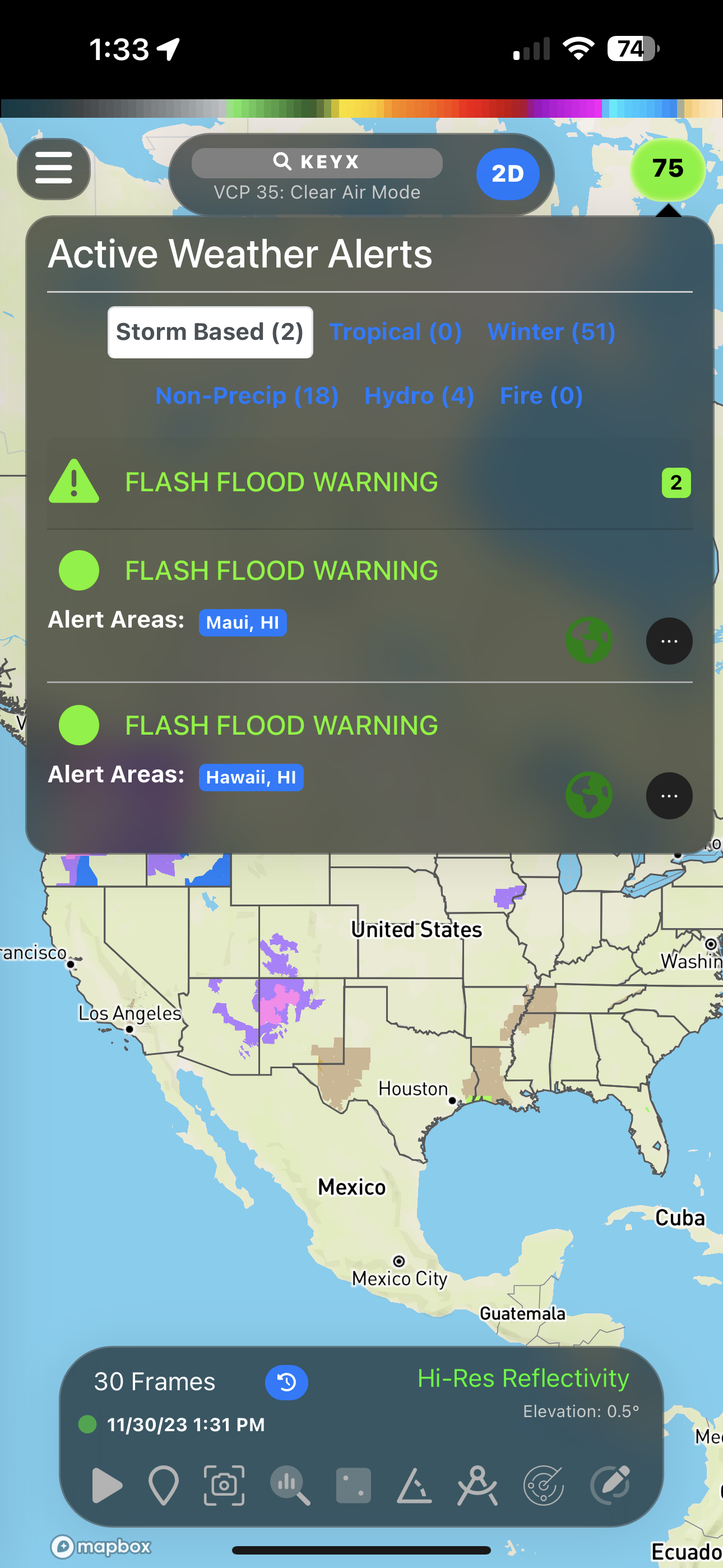
Severe Weather Alerts

Real-time weather alerts issued by the National Weather Service, right at your fingertips: This reflects a broader truth about the 1

  • Tornado Watches & Warnings
  • Severe Thunderstorm Watches & Warnings
  • Flash Flood Warnings
  • Special Weather Statements
  • Tropical & Winter Weather Alerts

Customization Tools

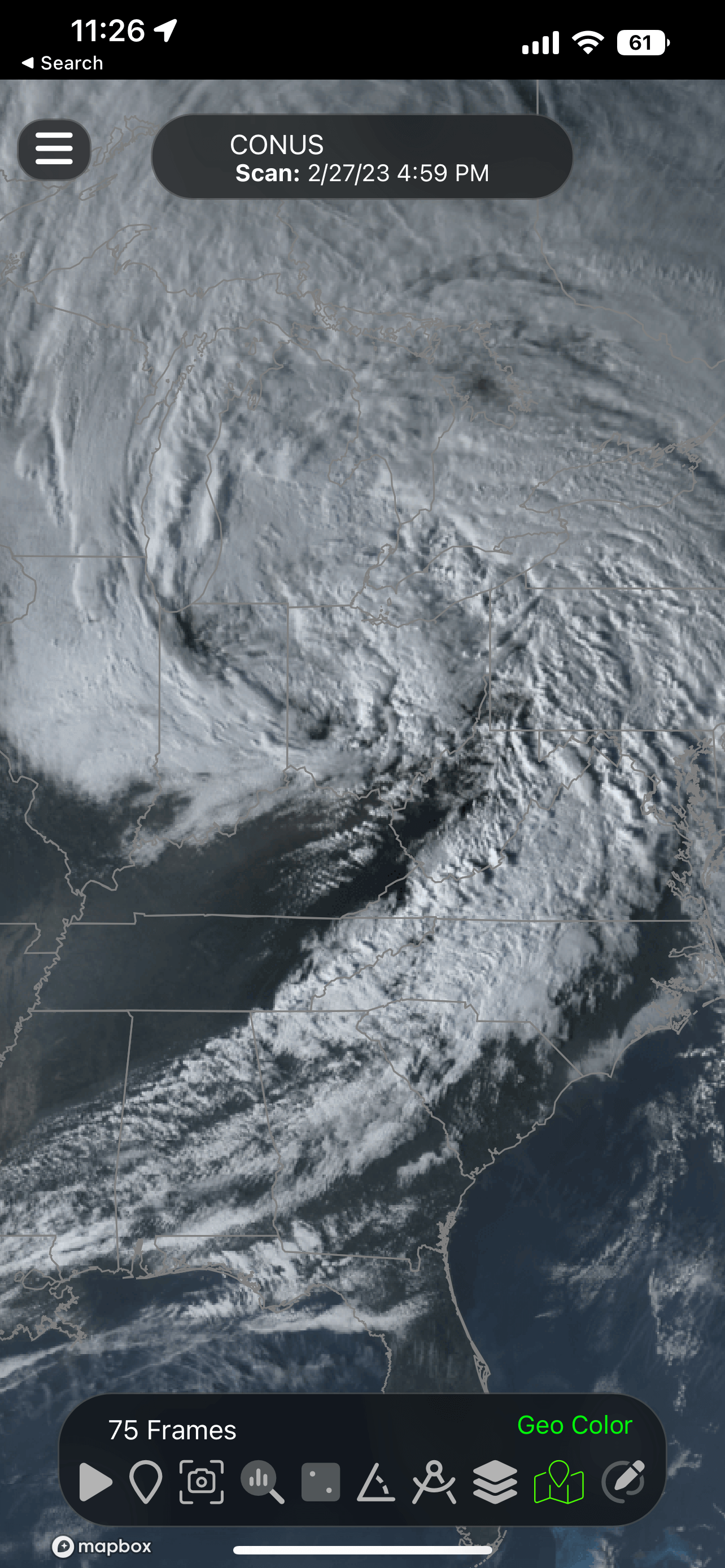
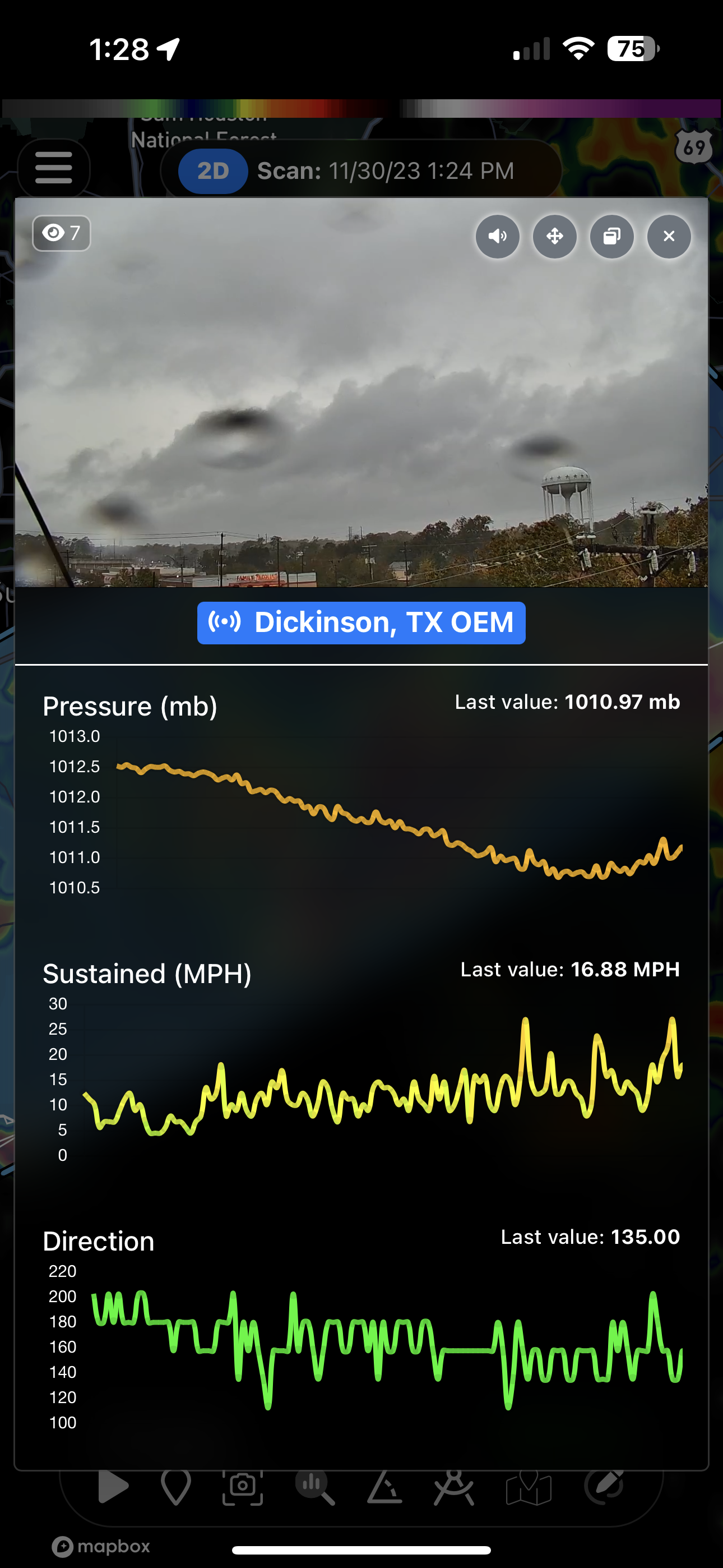
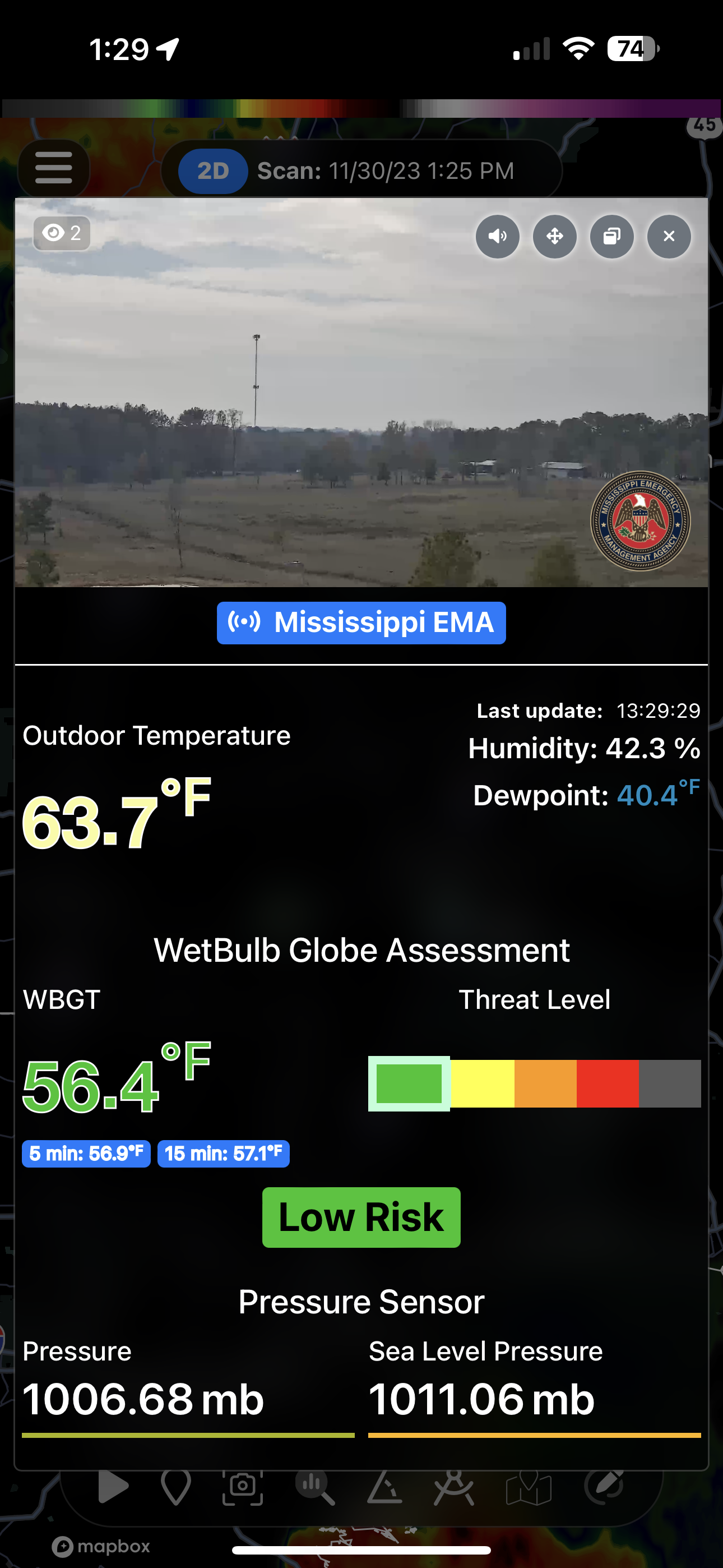
With a wide variety of tools that allow you to customize your radar viewing experience, RadarOmega is the most customizable radar software out there! We provide the option to smooth radar data, choose the number of frame animations, overlay custom locations as well as local storm reports, and even view live cameras and sensor data from our state-of-the-art cyclonePORT network – all within the RadarOmega app.

Lightning Detection

Here at RadarOmega, we know that making important decisions involves more than just knowing if it is raining. Lightning detection allows you to view lightning strikes within range of the radar tower you have selected, helping you decide if you need to put your lightning safety plan into action.

Map Types

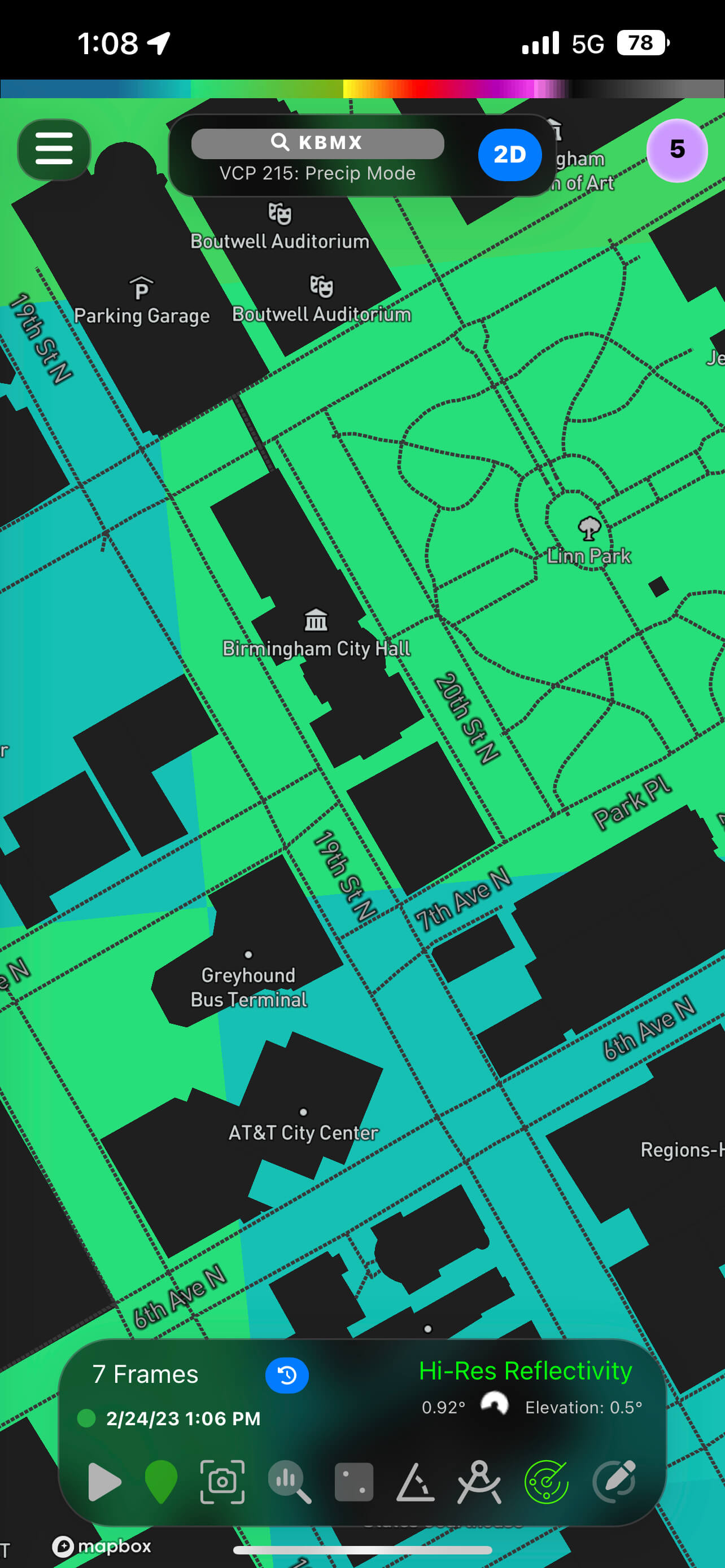
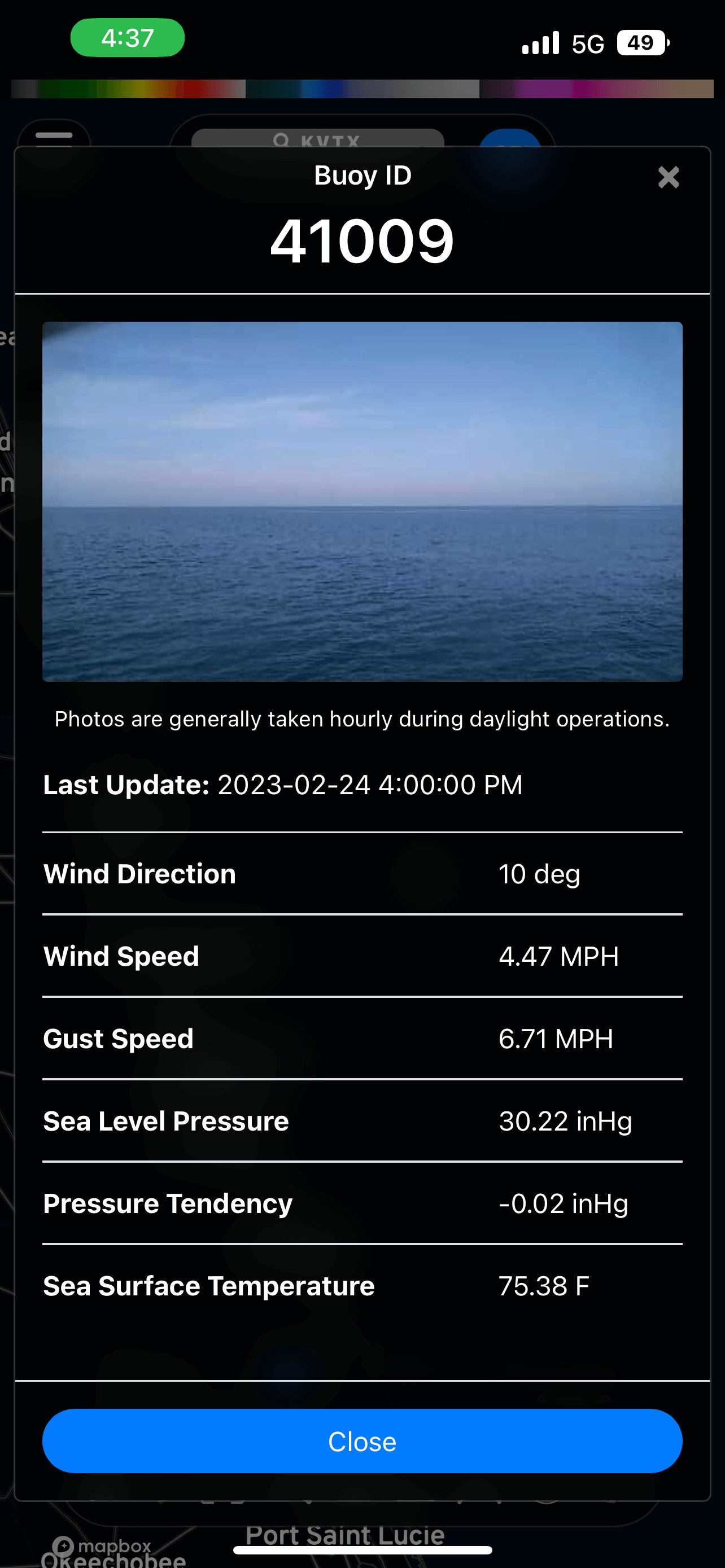
Unique Mapbox integration gives you the power to choose from 10 different map types with the ability to zoom in to building level! Detailed maps with cities, towns, road names, and bodies of water are available in dark, light, and satellite presentations.

Base Application

*Base Application is NOT cross-platform between App Stores.

iOS App Store & Google Play Store


- MRMS Reflectivity

- Hi-Resolution Single Site Radar Data for the U.S., Canada, Germany, Australia, and South Korea

- Animate up to 30 Frames of Radar Data

- 7 Day Radar History with 30 Frames

- Storm Track Drawing Tool

- Lightning Detection and Animation with Radar

- 24 Hour Storm Reports: Severe, Tropical, Flood, & Waterspouts

- SPC Convective Outlooks, Watches, & Mesoscale Discussions

- NHC Tropical Suite & Hurricane Hunter Data

- WPC Excessive Rainfall Outlooks & Mesoscale Precipitation Discussions

- Fire Weather Outlooks & Weekly Drought Monitor

- Winter Weather Forecasts & Winter Storm Severity Index

- CPC Temperature & Precipitation Outlooks

- METARS Data Layer

- Real-Time NWS Storm-Based Warnings


- Non-Precipitation Watches/Warnings for the U.S.

- Flash animation and in-app sound alerts for all alerts

- Push notifications for all storm-based watches/warnings using GPS location

- WPC Surface Analysis (Most Recent)

- Buoy Data & Tidal Forecast Charts

- NEXRAD Hail History

- Spotter Network Locations

- Power Outage Layer

- Map Type Customization – Maps available in Light, Dark, & Satellite Presentation

- Detailed City & Road Network – Zoom in to building & street level!

- 15 custom locations saved across multiple devices with a RadarOmega Account

- Drawing, Data Viewer, and Distance Tools

- Share GIF and Videos of Radar Animations

- Day/Night Layer & Graticules with Lat/Lon Labels

- View mobile livestreams through cyclonePORT network – only with RadarOmega!

$8.99

One-time purchase

From a diagnostic perspective, p1525 f3 demands a methodical, rather than a component-swapping, approach. Many mechanics, conditioned by German diesel codes, immediately replace the throttle body or the AC compressor. Yet the true fix is often far cheaper: cleaning the engine ground straps, replacing a €5 relay, or re-pinning a corroded connector at the ECU. This reflects a broader truth about the 1.5 dCi: it is an engine that punishes neglect of its electrical periphery while rewarding careful maintenance of its mechanical core. Owners who regularly clean grounding points, use dielectric grease on connectors, and replace the engine harness at the first sign of insulation cracking often report trouble-free operation beyond 200,000 miles. Those who ignore these details chase p1525 and its relatives (p1520, p1524) across multiple garage visits.

This vulnerability to electrical degradation is the engine’s Achilles’ heel. The 1.5 dCi’s mechanical components—the forged steel crankshaft, the robust timing chain (on later versions), and the durable cylinder liners—are capable of exceeding 300,000 miles with proper oil changes. Yet the engine’s sensors, actuators, and wiring looms age poorly. The p1525 f3 code often emerges after water ingress into the engine bay fuse box, chafing of the engine harness near the fuel filter, or a failing brake pedal switch (which shares data with the ECU’s load calculation). In this sense, the code is a classic example of a “smart” system punishing a simple mechanical fault with complex electronic confusion.

The Renault 1.5 dCi engine, known internally as the K9K, is one of the most ubiquitous diesel powerplants in modern automotive history. Found in everything from the Nissan Qashqai to the Dacia Logan and Mercedes-Benz A-Class, it has earned a reputation for exceptional fuel economy and surprising refinement. However, its engineering legacy is a study in contradiction: a durable, high-mileage unit plagued by specific, predictable electronic and mechanical flaws. The diagnostic trouble code p1525 f3 serves as a perfect entry point to understand this duality. While not a catastrophic failure code, p1525 f3—typically relating to the air conditioning compressor control circuit or a throttle pedal correlation fault—reveals the engine’s vulnerability to electrical gremlins and auxiliary system mismanagement, issues that often overshadow its fundamental mechanical robustness.

To understand p1525 f3, one must first appreciate the context of the 1.5 dCi’s design philosophy. Launched in 2001, this engine was engineered for cost-effective, high-efficiency motoring. Its common-rail injection system, lightweight aluminum cylinder head, and variable geometry turbocharger were advanced for its era. However, the engine’s electronic architecture is comparatively fragile. The code p1525 is a manufacturer-specific OBD-II code; in Renault’s logic, it frequently signals an inconsistency between the accelerator pedal position sensor and the throttle valve (or EGR) position, or a malfunction in the air conditioning compressor clutch relay circuit—especially when followed by "F3" (often denoting a specific fault condition, such as signal implausibility or short circuit to battery).

In conclusion, the Renault 1.5 dCi, as illuminated by the p1525 f3 fault code, is a parable of modern diesel engineering. It proves that an engine can be mechanically exceptional yet electronically exasperating. The code itself is not a death sentence but a cry for systematic electrical care. For the informed owner or technician, p1525 f3 is a reminder that in the era of engine management systems, a car’s reliability depends as much on the quality of its connectors and relays as on the strength of its pistons and injectors. The 1.5 dCi remains a remarkable engine—but only for those willing to respect its electronic fragility as much as its diesel tenacity.

The recurrence of p1525 f3 highlights a critical engineering tension: the integration of the 1.5 dCi with the vehicle’s body control and climate systems. The air conditioning compressor on many Renault models is not a simple on-off switch; the engine control unit (ECU) modulates it based on load, acceleration, and engine temperature. When p1525 f3 appears, the ECU detects that the compressor should not be engaged under current conditions (e.g., full throttle) but the feedback signal suggests otherwise. The result is a sudden loss of power, limp mode, or erratic idling—symptoms entirely disproportionate to the root cause. For owners, this is infuriating: a failing AC relay or corroded wiring harness can mimic a major injection or turbo failure.

Desktop Access

*ALL subscriptions include desktop access.

RadarOmega for Windows, MacOS and Linux

Why RadarOmega on Desktop?

Whether you’re using RadarOmega for personal use or professional use, desktop access can be a great addition to your weather toolkit.

Use RadarOmega simultaneously on your mobile device, tablet, and desktop!

Desktop gives you more screen space to analyze radar, satellite, models, and more!

With your subscription, all base application features can be accessed on desktop, along with the additional data included in your subscription package.

How do I gain Desktop Access?

Desktop Access is available to all subscribers. A subscription can be purchased by creating an account within the “Manage Subscription” section from the side menu of the mobile app.

After you purchase a subscription, you can download the native application from radaromega.com. We support Windows, Mac and Linux. You cannot access RadarOmega via a web browser.

Once you have a subscription and RadarOmega is installed on your desktop, just login with your account information to access your subscription features on desktop!

You must have any subscription - Alpha, Beta or Gamma to use RadarOmega on desktop.

App Screenshots

See RadarOmega in action here! You can also visit our official Twitter page (@RadarOmega) or Facebook page (RadarOmegaApp) to see all the unique ways you can use RadarOmega during severe weather, winter storms, hurricanes, and more.

p1525 f3 renault 1.5 dci

P1525 F3 Renault 1.5 Dci -

From a diagnostic perspective, p1525 f3 demands a methodical, rather than a component-swapping, approach. Many mechanics, conditioned by German diesel codes, immediately replace the throttle body or the AC compressor. Yet the true fix is often far cheaper: cleaning the engine ground straps, replacing a €5 relay, or re-pinning a corroded connector at the ECU. This reflects a broader truth about the 1.5 dCi: it is an engine that punishes neglect of its electrical periphery while rewarding careful maintenance of its mechanical core. Owners who regularly clean grounding points, use dielectric grease on connectors, and replace the engine harness at the first sign of insulation cracking often report trouble-free operation beyond 200,000 miles. Those who ignore these details chase p1525 and its relatives (p1520, p1524) across multiple garage visits.

This vulnerability to electrical degradation is the engine’s Achilles’ heel. The 1.5 dCi’s mechanical components—the forged steel crankshaft, the robust timing chain (on later versions), and the durable cylinder liners—are capable of exceeding 300,000 miles with proper oil changes. Yet the engine’s sensors, actuators, and wiring looms age poorly. The p1525 f3 code often emerges after water ingress into the engine bay fuse box, chafing of the engine harness near the fuel filter, or a failing brake pedal switch (which shares data with the ECU’s load calculation). In this sense, the code is a classic example of a “smart” system punishing a simple mechanical fault with complex electronic confusion.

The Renault 1.5 dCi engine, known internally as the K9K, is one of the most ubiquitous diesel powerplants in modern automotive history. Found in everything from the Nissan Qashqai to the Dacia Logan and Mercedes-Benz A-Class, it has earned a reputation for exceptional fuel economy and surprising refinement. However, its engineering legacy is a study in contradiction: a durable, high-mileage unit plagued by specific, predictable electronic and mechanical flaws. The diagnostic trouble code p1525 f3 serves as a perfect entry point to understand this duality. While not a catastrophic failure code, p1525 f3—typically relating to the air conditioning compressor control circuit or a throttle pedal correlation fault—reveals the engine’s vulnerability to electrical gremlins and auxiliary system mismanagement, issues that often overshadow its fundamental mechanical robustness.

To understand p1525 f3, one must first appreciate the context of the 1.5 dCi’s design philosophy. Launched in 2001, this engine was engineered for cost-effective, high-efficiency motoring. Its common-rail injection system, lightweight aluminum cylinder head, and variable geometry turbocharger were advanced for its era. However, the engine’s electronic architecture is comparatively fragile. The code p1525 is a manufacturer-specific OBD-II code; in Renault’s logic, it frequently signals an inconsistency between the accelerator pedal position sensor and the throttle valve (or EGR) position, or a malfunction in the air conditioning compressor clutch relay circuit—especially when followed by "F3" (often denoting a specific fault condition, such as signal implausibility or short circuit to battery).

In conclusion, the Renault 1.5 dCi, as illuminated by the p1525 f3 fault code, is a parable of modern diesel engineering. It proves that an engine can be mechanically exceptional yet electronically exasperating. The code itself is not a death sentence but a cry for systematic electrical care. For the informed owner or technician, p1525 f3 is a reminder that in the era of engine management systems, a car’s reliability depends as much on the quality of its connectors and relays as on the strength of its pistons and injectors. The 1.5 dCi remains a remarkable engine—but only for those willing to respect its electronic fragility as much as its diesel tenacity.

The recurrence of p1525 f3 highlights a critical engineering tension: the integration of the 1.5 dCi with the vehicle’s body control and climate systems. The air conditioning compressor on many Renault models is not a simple on-off switch; the engine control unit (ECU) modulates it based on load, acceleration, and engine temperature. When p1525 f3 appears, the ECU detects that the compressor should not be engaged under current conditions (e.g., full throttle) but the feedback signal suggests otherwise. The result is a sudden loss of power, limp mode, or erratic idling—symptoms entirely disproportionate to the root cause. For owners, this is infuriating: a failing AC relay or corroded wiring harness can mimic a major injection or turbo failure.

Download RadarOmega

RadarOmega is available on iOS and Android!

Available on
Google Store

Available on
Apple Store


Desktop Access Available!

All subscribers – Alpha, Beta, and Gamma – have desktop access.

Available on
Windows

Available on
MacOS

Available on
Linux

Get In Touch

Contact Info

We value feedback from RadarOmega users. Have questions, concerns, or suggestions? Feel free to reach out to us!