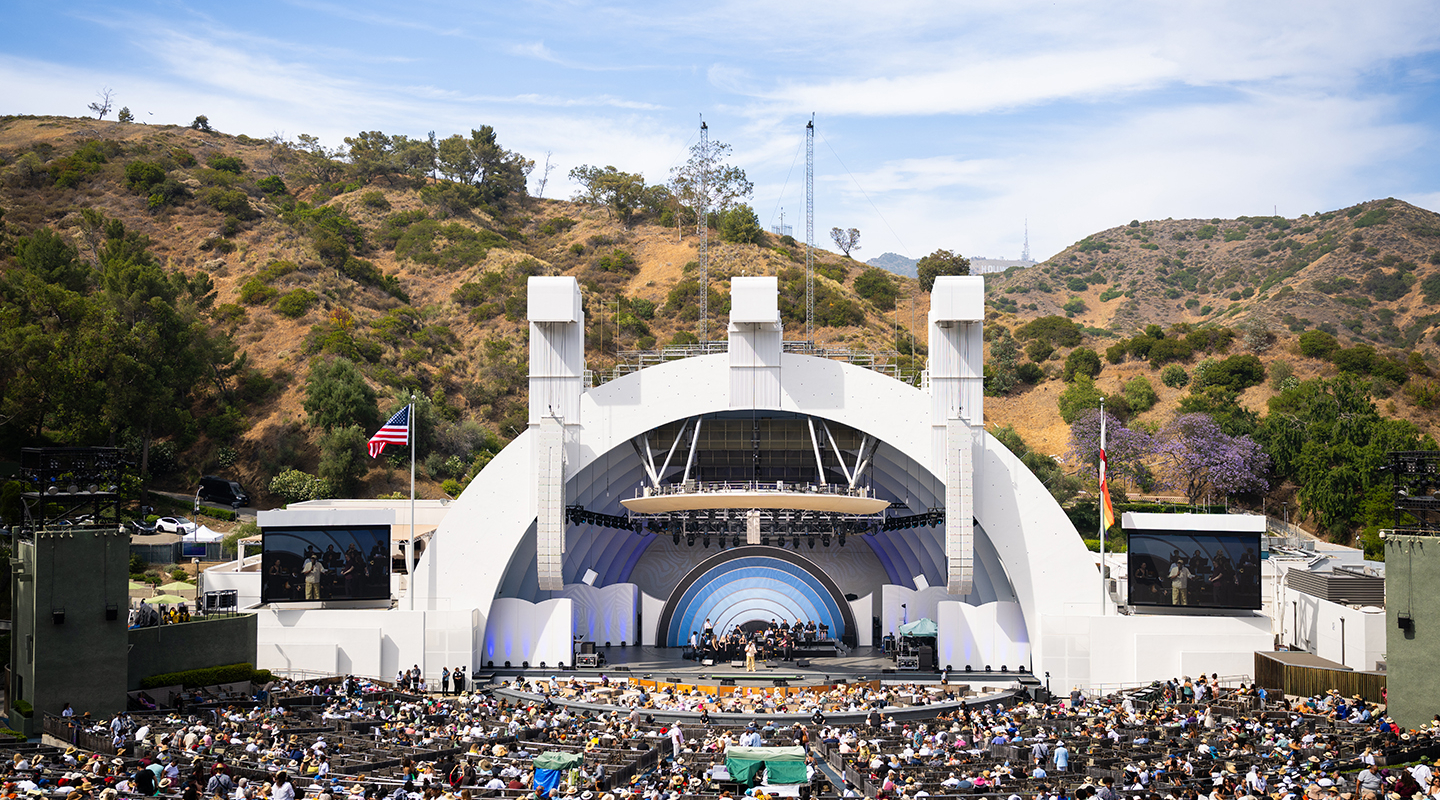


LA County High School for the Arts performs at Day 1 of the Blue Note Jazz Festival at the Hollywood Bowl on June 14, 2025.
Occidental College and LA Phil Launch New Summer Internship Program

The program will offer Occidental students an exclusive opportunity to intern with either the Hollywood Bowl, Walt Disney Concert Hall, or The Ford.

two Occidental students in a late afternoon sun-drenched scene on top of Fiji Hill at sunset
Introducing Early Action at Occidental

A new, nonbinding option that gives students more time and flexibility in the college decision process.

Occidental College students looking up at the sky amid the jungle of Costa Rica
Ideas in the Wild

At Occidental, faculty mentorship and immersive learning take you out of the classroom, into LA, and around the world.

Gold Earrings Jhumka Design May 2026

Among the vast and varied landscape of Indian jewelry, one design stands out for its distinctive silhouette, rhythmic movement, and deep cultural resonance: the Jhumka. A gold earring characterized by its bell-shaped, dangling structure, the Jhumka is far more than an accessory. It is a narrative in metal, a symbol of tradition, and a testament to the enduring skill of Indian artisans. This essay explores the defining features, rich history, symbolic significance, and the intricate craftsmanship that makes the gold Jhumka a timeless and beloved design across the world.

The historical roots of the Jhumka run deep, stretching back thousands of years. References to bell-shaped earrings can be found in ancient texts and sculptural depictions from the Indus Valley Civilization and the Gupta period. However, the Jhumka as we know it today was profoundly shaped by the cultural synthesis of the Mughal era. The Mughals, with their refined aesthetic sense and love for ornate jewelry, adopted and refined this indigenous form. They introduced intricate meenakari (enamel work) on the reverse side of the earring and delicate kundan (setting of uncut gemstones) work, elevating the Jhumka from a simple folk ornament to a treasured courtly accessory. Over centuries, regional variations flourished, with South India developing its own distinct, larger temple-style Jhumkas often depicting deities, and Rajasthan and Gujarat becoming famous for their vibrant enameled and stone-studded versions. gold earrings jhumka design

Beyond its aesthetic appeal, the gold Jhumka is laden with cultural and symbolic meaning. In Indian tradition, gold is not merely a precious metal; it is considered a symbol of purity, prosperity, and good fortune, often associated with the goddess Lakshmi. Wearing gold Jhumkas is a part of significant life events, from a classical dancer’s performance to a bride’s solah shringar (sixteen traditional adornments). The rhythmic swinging of the Jhumka is believed to ward off negative energy and attract positivity. For a bride, the earrings are a tangible link to her heritage and a blessing for a prosperous married life. In classical dance forms like Bharatanatyam and Kuchipudi, the Jhumka is essential, as its movement accentuates the intricate head and eye gestures ( bhedas and drishtis ), becoming an active participant in the storytelling. Among the vast and varied landscape of Indian

The most recognizable feature of the Jhumka is its unique architecture. The name itself is derived from the Hindi word 'Jhumar', meaning a bell or a dangling ornament, perfectly capturing its essence. A classic Jhumka comprises three primary parts: the top or hook (often a simple stud or a more elaborate dome), the cup (a bowl-like structure connecting the top to the bell), and the bell itself, which is the hollow, conical or globular centerpiece. This bell is often intricately carved or adorned with granulation. From the base of the bell, tiny pearls, beads, or fine gold chains, known as the latkan or toda , cascade downwards, adding to the earring’s graceful swing. It is this gentle, melodic sway with every movement of the wearer’s head that gives the Jhumka its life and charm. This essay explores the defining features, rich history,

In conclusion, the gold Jhumka earring is a masterpiece of design where form, function, and meaning converge. From its evocative bell shape and ancient origins to its labor-intensive craftsmanship and profound cultural symbolism, it is a powerful emblem of Indian identity. It honors the past by carrying forward centuries of artistic tradition, celebrates the present as a beloved fashion statement, and promises to swing gracefully into the future, captivating new generations with its timeless tale of beauty and grace.

Among the vast and varied landscape of Indian jewelry, one design stands out for its distinctive silhouette, rhythmic movement, and deep cultural resonance: the Jhumka. A gold earring characterized by its bell-shaped, dangling structure, the Jhumka is far more than an accessory. It is a narrative in metal, a symbol of tradition, and a testament to the enduring skill of Indian artisans. This essay explores the defining features, rich history, symbolic significance, and the intricate craftsmanship that makes the gold Jhumka a timeless and beloved design across the world.

The historical roots of the Jhumka run deep, stretching back thousands of years. References to bell-shaped earrings can be found in ancient texts and sculptural depictions from the Indus Valley Civilization and the Gupta period. However, the Jhumka as we know it today was profoundly shaped by the cultural synthesis of the Mughal era. The Mughals, with their refined aesthetic sense and love for ornate jewelry, adopted and refined this indigenous form. They introduced intricate meenakari (enamel work) on the reverse side of the earring and delicate kundan (setting of uncut gemstones) work, elevating the Jhumka from a simple folk ornament to a treasured courtly accessory. Over centuries, regional variations flourished, with South India developing its own distinct, larger temple-style Jhumkas often depicting deities, and Rajasthan and Gujarat becoming famous for their vibrant enameled and stone-studded versions.

Beyond its aesthetic appeal, the gold Jhumka is laden with cultural and symbolic meaning. In Indian tradition, gold is not merely a precious metal; it is considered a symbol of purity, prosperity, and good fortune, often associated with the goddess Lakshmi. Wearing gold Jhumkas is a part of significant life events, from a classical dancer’s performance to a bride’s solah shringar (sixteen traditional adornments). The rhythmic swinging of the Jhumka is believed to ward off negative energy and attract positivity. For a bride, the earrings are a tangible link to her heritage and a blessing for a prosperous married life. In classical dance forms like Bharatanatyam and Kuchipudi, the Jhumka is essential, as its movement accentuates the intricate head and eye gestures ( bhedas and drishtis ), becoming an active participant in the storytelling.

The most recognizable feature of the Jhumka is its unique architecture. The name itself is derived from the Hindi word 'Jhumar', meaning a bell or a dangling ornament, perfectly capturing its essence. A classic Jhumka comprises three primary parts: the top or hook (often a simple stud or a more elaborate dome), the cup (a bowl-like structure connecting the top to the bell), and the bell itself, which is the hollow, conical or globular centerpiece. This bell is often intricately carved or adorned with granulation. From the base of the bell, tiny pearls, beads, or fine gold chains, known as the latkan or toda , cascade downwards, adding to the earring’s graceful swing. It is this gentle, melodic sway with every movement of the wearer’s head that gives the Jhumka its life and charm.

In conclusion, the gold Jhumka earring is a masterpiece of design where form, function, and meaning converge. From its evocative bell shape and ancient origins to its labor-intensive craftsmanship and profound cultural symbolism, it is a powerful emblem of Indian identity. It honors the past by carrying forward centuries of artistic tradition, celebrates the present as a beloved fashion statement, and promises to swing gracefully into the future, captivating new generations with its timeless tale of beauty and grace.