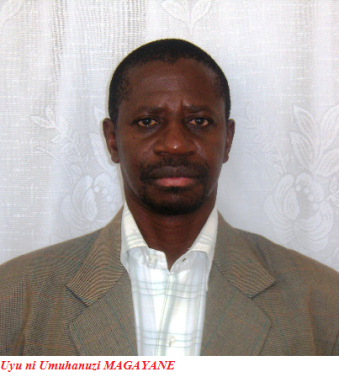
Indagu za Magayane na Mama Domitila
from :(theorusi_Fabi" <rusincizatheo@yahoo.fr)
Hari umuvandimwe uherutse kungezaho igitekerezo cya Magayane, akigereranya n;ubuhamya bwa Maman Domitilla, nsanga ari ngombwa ko nabigeza kubasomyi ba DHR; Yatangiye agira ati:"muribuka ko Magayane;umugabo wavukiye muri préfecture ya Ruhengeri;yavuze byinshyi ku mahano azabera mu Rwanda, ntibyatinze byose byarabaye, twese tubibona,kandi abenshi barabisuzuguraga ngo ntashyingiro bifite. Mu byo yavuze ,akaza no kubizira, akabifungirwa muri Prison spéciale ya Ruhengeri, twafatamo ibyingenzi bikurikira:
Maman Domitilla:
Maman Domitilla nawe, ukomoka i Murenge ho muri Zaire mu buhamya bwe, akimara
gupfa akajyanwa mu ijuru, akaza kuzuka, akagaruka nyuma y,iminsi 4, yazanye
ubutumwa bugaragara, kandi bwo kwitonderwa. Mu gice cya nyuma mu buhamya bwe
aragira ati:
BASOMYI MWESE DUHURIYE KULI IZI MBUGA: NIFUJE KUBAGEZAHO IBYO NZI KU BUHANUZI BWA MAGAYANE, NKABA NSABA INKUNGA BAGENZI BANJYE AHO BARI HOSE KUNYUNGANIRA KUKO MULI AMOSI 3:7 IMANA YARAVUZE NGO: NTA KIZABA NTABANJE KUGIHISHULIRA ABAHANUZI.
MAGAYANE YARI UMUGABO UFITE IMPANO Y' UBUHANUZI, AKABA YARAKOMOKAGA MU KARERE BITAGA UBUKONYA, KOMINI YA GATONDE, MU RUHENGERI. MBERE YUKO MVUGA IBYO YAHANURIYE ABANDI, DORE IBYO YIHANURIYE UBWE:
Perefe Zigiranyirazo muramu wa Habyarimana akimara kwumva ko nta kabuza abatutsi bari hanze bazafata urwanda, nyuma ariko ngo bakazarwirukanwamo n' umuzungu warubahaye, Zigiranyirazo yatse insinzi, Magayane ati kereka Habyarimana yeguye igihugu akagiha abanyenduga kuko nibo bazi amacenga y' abatutsi, bityo mwebwe mukicara. Zigiranyirazo yavuze ko bafunga Magayane, Magayane akigera mu buroko 1930 yabwiye uwamutekeraga ati: ku wa kane nzapfa maze kurya imboga. Niko byagenze. kuko yahawe i mboga z' isogo yakundaga jeudi yitaba imana. Yanabwiye n' uwo musoda wamutekeraga ko azagwa mu maguru y' abagore, niko byabaye uwo musore yagiye gusambanya umugore w' undi mugabo, ategerwa kw' irembo bamutsinda aho.
Ibyo yahanuriye abandi ni ibi: yabwiye ambasaderi Kagenza Alphonse muli nzeli 1972 ko Kayibanda uzengurutse urwanda rwose ngo aribuka isabukuru y' imyaka 10 y'ubwigenge ko ariho asezera ku banyarwanda ko nta myaka itatu azamara ategeka, ko nategura n' imva ye itazaboneka.
Yabwiye Kanyarengwe alexis ko azahunga akambuka Akagera, akagaruka arwana, akazitwa umutegetsi wa nyirarureshywa, akabona ibibi n' ibyiza, nyuma agapfa adahinnwe azize indara-mabuno.
Yavuze ko hari abazungu bagiye gufungirwa mu Ruhengeri, abandi b' abatasi bazabakurikira bakagwa kuli Muhungwe byarabaye, abacanshuro bashatse gufata Congo banyuze i Goma en 1978 surete ya Lizinde yari ikaze ibata muli yombi bafatirwa mu mahoteli ku Gisenyi, bafungiwe mu Ruhengeri, nyuma yaho abandi bakoreye plan yo gufata Rwanda na Congo byombi muli parc y' i birunga i Rwindi (congo),baje mu Rwanda n' ibyuma kabuhariwe bifotora, indege ibagusha muli komini Kanama(bugoyi- gisenyi) hafi ya Muhungwe.
Magayane yahamagariwe gukora animation bamamaza, banacengeza amatwara ya muvoma, ati: uwabyiniye Nkubitoyimanzi Rudahigwa, na bwenge nyakuli Kayibanda, ntiyabyinira muvoma izanywe n' abungura bazubika u Rwanda.
Bourgmestre Kabalira yahise amufungira mu kasho amuziza gupfobya MRND, akanatuka prezida wayo ngo ni umwungura w' umushyushya. Nyuma y' icyumweru baramurekuye, Magayane abwira Kabalira ati: kumfungira ubusa kwawe nawe uzafungirwa ahatava izuba. Bwarakeye basanga Kabalira yarariye imisanzu ya MRND, yafungiwe muli prison special mu ruhengeri.
Magayane yabwiye Theoneste Lizinde ati: ugiye kuzafunganwa n' abantu bambaye utubuye tubengerana ku ntugu, mukazashyirwa aho wajyaga ufungira abandi. Bwarakeye Lizinde avumbura imashini yakoraga amafranga, iyo mashini yari ihuriweho na Majyambere n' ibindi bikomerezwa. Lizinde abigejeje i bukuru, bati uyu muntu azabwira abanyamahanga akari i murore bati: tumwohereze Zimbabwe, navayo tuti yateguraga coup d' etat, ahite afungwa.
Yabwiye Lizinde ati ikimenyetso cy' ifungwa ryawe n' umwana uzabyarwa na madame Habyarimana ari ikimara. Byarabaye uwo mwana avukira mu bubiligi ari ikimara (baramuhishaga) nta cyumweru cyahise Lizinde atabwa muli yombi. Magayane ati Lizinde nufungurwa n' ingabo zizaturuka hanze, uzicarana nazo akanya gato, uzahunga, zizagutsinda hanze.
Magayane yabwiye adjudant chef wayoboraga gereza ya Ruhengiri witwaga Sembagare ati: uri igikenya ntuzisazira. Bwarakeye ajya iwabo i muramba-gisenyi, inkuba itagira amazi iramwasa.
Magayane yabwiye undi muyobozi w' iyo gereza adjudat Cyarahani ati:uzicirwa muli iyi prison, umwaga wawe uzashirira aha.
Yabwiye abanyururu bagenzi be ati: iyi myenda mubona y' umukara twambaye izasimbuzwa ibara ribengerana( rose) yarongeye ati: ibohozwa ry' iyi prison rizabanziriwa no kumwa kw' iki giti cy' inganzamarumbu mubona imbere ya gereza, ati hano munzu ndani hazinjira ihene izaherekeza abashyitsi. Bwarakeye igiti kiriyumisha, naho ubwo musenyeri Nsengiyumva yasuraga gereza ya Ruhengeri,bibagiwe gukinga ihene irabinjirana, nijoro bumva iramena amasafuriya irya ubugali
Magayane ati : ngicyo ikimenyetso mwatashye, mais abazahungira Rwabeya muzashira. Abahungiye Rwabeya-musanze bahuye n' abacodo ba Mukamira baje kubohoza Ruhengeri, babamenaho urusoro babita inyenzi
Kubera atahwemye kwikoma ingoma ya kinani, byateye ubwobo abayobozi ba gereza ya
Ruhengeri, bahitamo kumushyikiriza ibiro by' ipererza ngo yisobanure. Yasabye ko
Habyara n' ibyegera bye baza, maze ubuhanuzi bufatwa kuli za cassettes
buranandikwa. dore uko yavuze:
Wowe Habyarimana ndagukandagiye ugiye kugwa ku kibuga gikikijwe n' imfunzo
kandi nupfa Kigali
izuzuramo intumbi agahiryi. Ibimenyetso n' abazungu bazaza kugukanga nawe
uzashyira mu bitugu byawe mu bushorishori umugore w'umugambanyi, Inyamaswa y'
ihembe limwe izaba ibiyogoza mu rukiga na ndorwa, iyo nyamaswa izakwira urwanda
imena amaraso menshi, izaguhitana nta kabuza, keretse weguye.
Habyara ati shaka insinzi: Magayane ati ntayo, ati ubutegetsi bwawe buzafatwa nabo bavantara, bazigera kino gihugu, nyuma bazakivanwamo nk' ubufindo. Magayane ati: uzasimburwa na Rusukumo ruzamara amezi atatu, hakurikireho Bihwahwa wo ku ruzi rw' iwanyu, nyuma ye ngo hazategeka Rwabujindiri rurya ntiruhage; uwo Rwabujindiri azajegezwa ihembe inshuro enye, ihirikwa rya Rwabujindiri rizagenda ritya:
Magayane ati: azaraswa umwambi w' igishirira na bene-nyina ari mu Bugesera nyuma hazameneka andi maraso menshi, noneho rutuku wamuhaye ubutegetsi ashyireho umusaza usheshe akanguhe uzaba ari inyuma y' igihugu azane ihumure, acyure rukara rw' igisage ruzabyinirwa bigatinda.
Abantu bazaba baragiye ishyanga bose batahuke, habeho umunezero n' uburumbuke n' amahoro ya nyayo.
Uko bizamera ingoma ya Rwabujindiri igeze mu marembera: hazabaho isubiranamo ry' abiyicaje ku ntebe. Hazabaho inzara, agahili n' agahinda, no kwiyahura. Hazabaho urwikekwe yewe n' umwana azatinya se na nyina ; hazabaho amalira yuzuye intango ku bali mu bihome hazabaho ibisahira-nda birya akaribwa n' akataribwa, bazakora ibishoboka byose ngo batsinsure rwara rw' umugara rubundiye mu mashyamba, nyamara nabyutsa umugara igihuru kizabyara igihunyira. Bazafatanya n' anyamahanga, nyuma bibe zero, ahubwo intambara yongere itangire ikazahagarikwa na l' onu ya gatatu.
Magayane ati uwo rutuku uzaza agahagarara hagati y'abazaba barwana, niwe uzatoranya umutegetsi.
Hazabaho inyoni z' uducurama zizarika mu biti by'abo biyicaje ku ntebe. Hazabaho ibika ry' isake isura urwimo ikigera ku mutambiko w' urusenge, hazabaho abandi bazahanura nkanjye bakabizira: hazabaho ihene izabyara isekurume indwi zange konka.
Umwami w' ishyamba azaza kwiba.
Mwibuke ko Magayane yavuze ati: nimubona Kigali yuzuye amase atewe n' imyigaragambyo y' inka. muzamenye ko kinani yahirimye, kuko amase azasimbuzwa intumbi z' abantu. byarabaye mu kwa gatatu 1993, umugabo watswe igikingi yazanye inka ze kuli rond-point Kigali. Inka zacunzwe n' aba Gd umugi wabaye umunuko kubera amase. Nyuma intumbi zasimbuye amase.
Ikindi gikomeye yaravuze ati: Habyarimana nupfa, abantu bazahunga iki gihugu, ati aliko abazahungira mu majyaruguru y' uburengera-zuba bazapfamo benshi. koko abahungiye Goma, Mugunga, Kibumba, Katale, Kahindo basanze docteur ru....umututsi ukomoka ku kibuye uba mu bihugu byo hanze yakwije amarozi muli nord kivu, bayasigaga ku gisheke, irindazi, umuneke, ikijumba,ikigeli, bashyize no mu bigage, inzagwa,n' amasigara, imbaga yarahatikiye ngo ni kolera daaa!
Magayane yabisubiyemo inshuro eshatu ati: aba bavantara baturutse i bugande bazafata kino gihugu nta kabuza, ati aliko bararye bali menge kuko bazakibavanamo kandi nabi. Ababizi bemeza ko abo mu kazu ka fpr imitungo yabo yambukijwe kera ikaba ili muli erythrea, ethiopie, afrika y' epfo, i burayi na amerika. mbese barasahura nkaho nta mizero bafitiye u rwanda.
Ubu buhanuzi mbukesha umwe mu bakozi b' ibiro by' iperereza bo hambere en 1978 wandikiraga kinani ibivuzwe na Magayane. Ukunyunganira kwanyu bizanshimisha.
Ntabwoba gregoire.
Indi ndagu: http://ikazeiwacu.fr/2014/10/14/ubuhanuzi-ku-bihugu-rwanda-burundi-uganda-congo-na-tanzania/
Curiosa la cara de tu padre (2008), a live album and DVD, served as a brilliant interlude, capturing the raw, unpredictable power of his live shows. But it was Volvamos a empezar (2009) that marked a true turning point. The album opens with "El rey de la barra," a weary, self-deprecating look at the aging Casanova, and closes with the devastatingly vulnerable "Perdóname." This album signaled the arrival of Melendi, the balladeer. He traded some of the rapid-fire rumba for melodic, guitar-driven pop-rock. It was the sound of a man looking in the mirror and no longer recognizing the party boy. The critical reception was mixed, with some fans missing the raw energy, but it was a necessary evolution. He was learning to be sincere without the shield of irony. The period from 2012 to 2017 saw Melendi transform into a mainstream, stadium-filling star without losing his lyrical essence. Lágrimas desordenadas (2012) was the perfect synthesis of his two halves. It had the rollicking, clever rumba of "Tocado y hundido" and the profound, sweeping balladry of the title track, "Lágrimas desordenadas." This album felt like a sigh of relief; he had successfully navigated his thirties, found a new stability, and channeled his anxiety into mature, polished songwriting.
10:20 (2021) is perhaps his most ambitious and eclectic work. The title represents a specific moment in time (10:20 PM), and the album feels like a series of snapshots from that hour. It features unexpected collaborations, from the salsa-infused "Besos a la lona" with Cali & El Dandee to the powerful feminist anthem "La mujer perfecta" with Rels B, which showcases his willingness to step back and let other voices lead. His most recent album, Likes y cicatrices (2023), continues this trend, diving into the anxieties of the digital age while retaining his classic romanticism. He critiques social media, reflects on his own scars, and sings of love as a quiet act of resistance against a noisy world. The discography of Melendi is a remarkable journey of artistic integrity and personal growth. From the furious, whiskey-soaked rumba of his early days to the polished, introspective pop of his later work, he has never stopped being a storyteller. His unique gift has always been his language: a clever, colloquial, and deeply poetic Spanish that can make you laugh at a heartbreak and cry at a joke. He started as the king of the bar, telling tall tales to anyone who would listen. Today, he stands as a seasoned troubadour, chronicling the complex, beautiful mess of growing up, falling in love, becoming a father, and finding your place in a world that has changed around you. For over two decades, Melendi has done more than release albums; he has written the soundtrack to a life, and in doing so, he has become an indispensable voice in the story of modern Spanish music. discografía de melendi
Un alumno más (2014) continued this trajectory, featuring the massive hit "La promesa," a duet that became a wedding staple across the Spanish-speaking world. The album is comfortable and confident, exploring love as a long-term project rather than a fleeting conquest. Then came Quítate las gafas (2016), an album heavily influenced by the birth of his daughter. The perspective shifts dramatically. The rogue is now a father, and his fears, hopes, and loves are refracted through this new, powerful lens. Songs like "El arrepentido" (with Carlos Rivera) showed a new kind of vulnerability—not the pain of rejection, but the fear of losing what you have built. This era is about consolidation, proving that the former troublemaker could write timeless, universal pop songs with the same narrative skill he once used to describe a bar brawl. The most recent phase of Melendi’s career is marked by a sense of artistic liberation and a broadening of his thematic scope. Ahora (2018) was a mature, clean, and sometimes melancholic reflection on the passage of time. It featured the tender "Déjala que baile" (with Alejandro Sanz and Arkano), a song that celebrates freedom and resilience. The production is pristine, a far cry from the lo-fi grit of Sin noticias de Holanda , but the storytelling heart remains. Curiosa la cara de tu padre (2008), a
Ramón Melendi Espina, known mononymously as Melendi, is one of the most distinctive and commercially successful voices in contemporary Spanish music. Emerging from the raw, urban energy of the Asturian rumba scene in the early 2000s, he has defied easy categorization, weaving together flamenco, rock, pop, and hip-hop into a sound that is uniquely his own. More than just a catalog of hits, Melendi’s discography serves as a detailed, often autobiographical, novel. It is a chronicle of a restless soul, tracing a path from a hedonistic, rebellious youth to a mature, reflective, and deeply romantic adulthood. To study his albums is to witness an artist in constant, honest evolution, never abandoning his signature wordplay and narrative flair, but continuously refining the lens through which he views the world. The Rookie and the Rascal: The Birth of "Potideñol" (2003-2006) Melendi’s career exploded with the release of his debut album, Sin noticias de Holanda (2003). Recorded independently, it was a raw, unpolished, and explosive fusion that he would later jokingly call "potideñol" (a portmanteau of pot, whiskey, and Spanish). This album introduced the world to his signature style: a rapid-fire vocal delivery blending rap with a distinctly Spanish rumba rhythm, driven by electric guitar and cajón. Songs like "Con la luna llena" and "Caminando por la vida" were not just songs; they were drunken, hilarious, and heartbreakingly sincere stories of street-level love, heartbreak, and the desperate pursuit of a good time. Melendi presented himself as the anti-hero: a disheveled, sentimental rogue, more comfortable in a bar fight than a ballad, yet secretly yearning for genuine connection. He traded some of the rapid-fire rumba for
The follow-up, Que el cielo espere sentao (2005), doubled down on this formula. It was a commercial juggernaut, fueled by anthems like "Hablando con la luna" and the iconic "Juramento eterno de sal." Here, his narrative ability sharpened. He wasn’t just singing about girls and guitars; he was crafting small, cinematic worlds. The album solidified his cult status, but it also hinted at a growing complexity. The raw energy was still there, but the themes began to touch on existential doubt and the fleeting nature of youth. This era of Melendi was a whirlwind of chaotic joy and poetic street-smarts, a foundation upon which he would build a much more intricate edifice. With Mientras no cueste trabajo (2007), the hangover began to set in. The title itself is ironic, but the album reveals a darker, more introspective artist. While still containing rumba elements, the production became cleaner, and the rock influences grew more prominent. "El informe del forense" is a masterpiece of metaphorical storytelling, a perfect example of Melendi’s ability to disguise profound pain within an upbeat, cleverly written package. He began to question the very lifestyle he had celebrated, leading to a period of stylistic wandering.